AstraZeneca investors punish firm over reports of $400-billion Bristol Myers pharma deal — SkimNews

Get the Finance newsletter
Daily finance — markets, central banks, M&A, the prints that move money. Free.
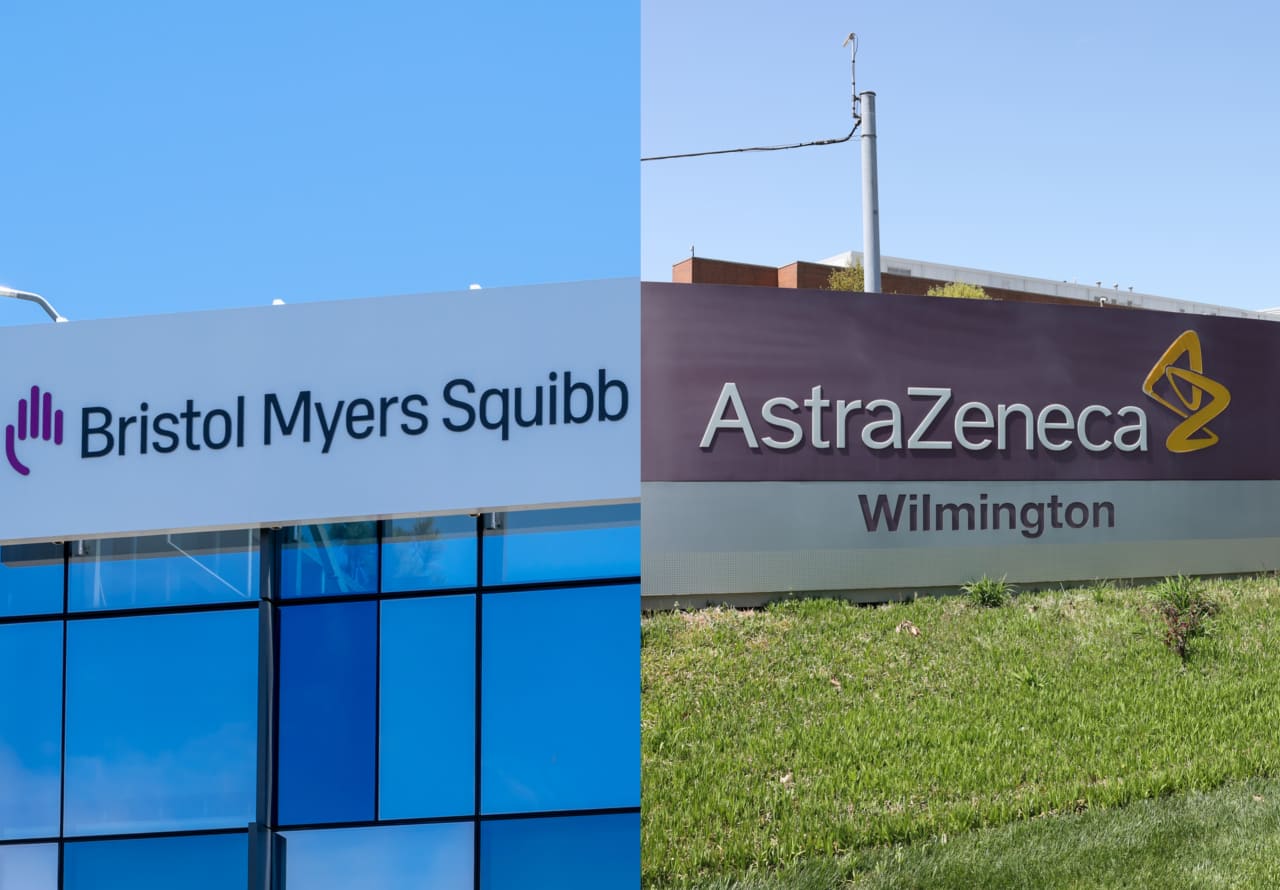
- AstraZeneca (AZN) shares closed down roughly 9% Monday, the steepest single-day drop since 2020, on reports of merger talks with Bristol Myers Squibb that could create a combined drugmaker valued at nearly US$400-billion.
- Bristol Myers Squibb (BMY) shares slipped less than 1% in early trade, with investors suggesting BMY shareholders — not AstraZeneca's — would be the bigger winners of any combination.
- Both AstraZeneca and Bristol Myers declined to comment on Monday, though a person familiar with the matter told Reuters the two had held talks, confirming an earlier Financial Times report (AZN market cap ~$264B; BMY ~$133B on Friday).
- Markus Manns of AstraZeneca shareholder Union Investment said a deal "does not make strategic or financial sense" and compared it to FIFA's abandoned World Cup stake privatization — "a poorly conceived proposal."
- Investors noted AstraZeneca under CEO Pascal Soriot has a stronger pipeline and less patent-cliff pressure than BMS; one top-20 shareholder said organic R&D growth has consistently been management's preferred path.
- Shore Capital analyst Sean Conroy flagged that overlap between Bristol Myers' Opdivo and AstraZeneca's Imfinzi — both cancer immunotherapies — could attract antitrust scrutiny, while a deal might help AZ address its post-2030 patent cliff.
- AstraZeneca has invested tens of billions in U.S. manufacturing since Trump returned to office and aims for half of its targeted $80-billion in annual revenue by 2030 to come from the U.S. market.
Why it matters: The 9% plunge in AstraZeneca wipes out tens of billions in market value while Bristol Myers barely moves — a stark investor signal that shareholders view AZ as the entity with more to lose. A combination would also stack two leading cancer immunotherapies (Opdivo and Imfinzi) against each other, drawing the antitrust review a deal of this scale would face before any close.
Ask SkimNews