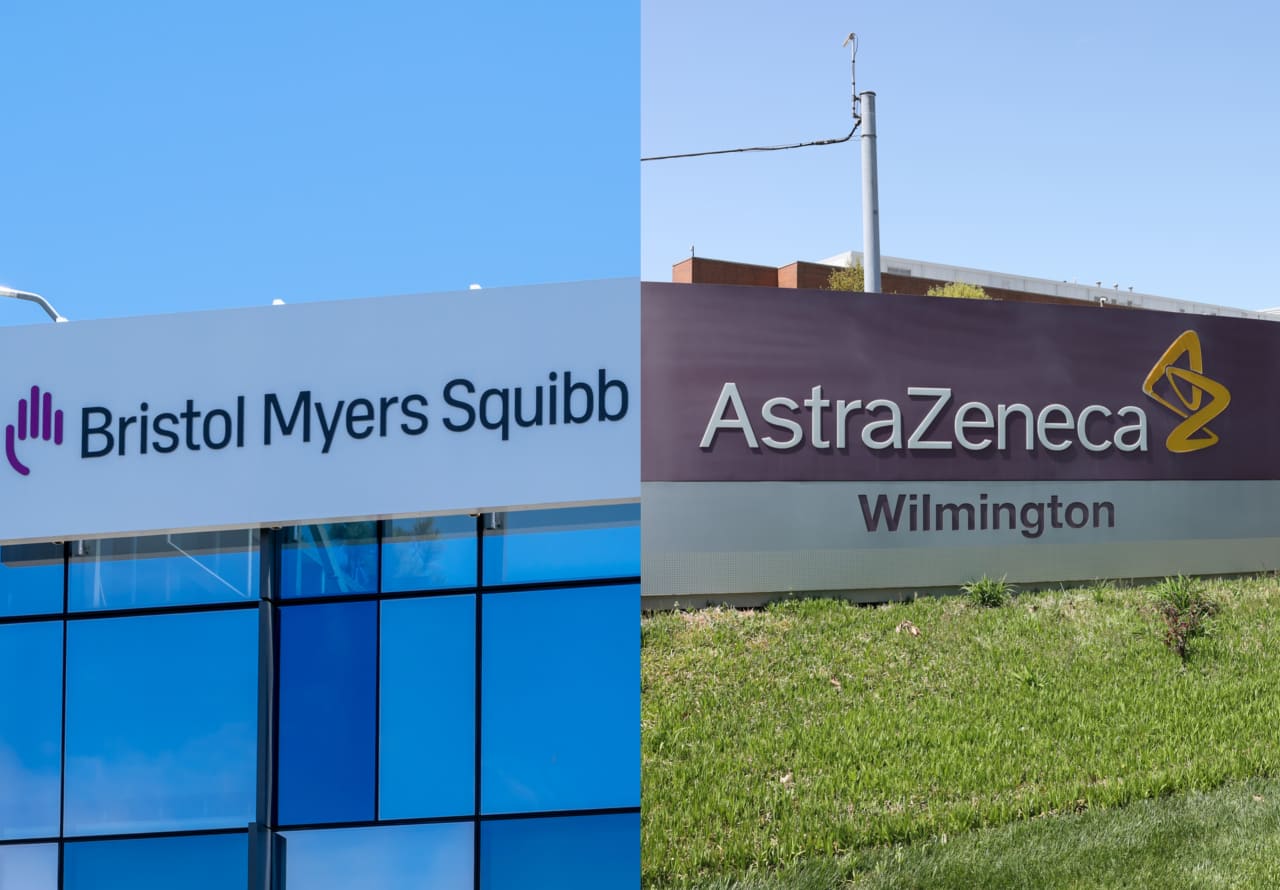
AstraZeneca drops 7% on Bristol Myers merger reports — SkimNews

Get the Finance newsletter
Daily finance — markets, central banks, M&A, the prints that move money. Free.
- AstraZeneca shares dropped as much as 7% on Monday after the FT reported merger talks with Bristol Myers Squibb, with a combined deal value potentially near $400 billion
- Jefferies analysts said they were "perplexed," writing that "if there is one company that doesn't need financial engineering, it's AZ" given its best-in-class growth pipeline
- Bristol Myers Squibb shares rose 6% in U.S. premarket trading; the company faces upcoming loss of exclusivity on top-selling drugs Eliquis and Opdivo as patents expire
- RBC Capital Markets flagged pipeline synergies as "uncertain" given Bristol Myers' looming trial readouts for blood thinner milvexian and schizophrenia drug Cobenfy
- One rationale for talks: AstraZeneca completed a direct NYSE listing earlier this year and already derives 42% of sales from the U.S., while Bristol Myers sources 69% from the U.S. market
- Jefferies warned the combined oncology portfolios — AZ stronger in solid tumors, Bristol Myers in blood cancers and cell therapies — could attract antitrust scrutiny
- The report follows a rare AstraZeneca setback: a late-stage heart disease drug trial failed to meet its target earlier this month, raising some questions around management credibility
Why it matters: AstraZeneca's slide reflects analyst skepticism toward pairing a growth powerhouse — $58.7 billion in current sales targeting $80 billion by 2030 — with a Bristol Myers Squibb facing near-term patent cliffs on Eliquis and Opdivo. AZ shareholders face dilution risk while BMS shareholders gain a potential premium bid, and Jefferies flagged that the combined oncology footprint could draw antitrust scrutiny.
Ask SkimNews