Keto diet drives small intestine tumors via fat, not ketones — SkimNews
Get the Health newsletter
Daily health & science — research, biotech, public health, the studies worth knowing. Free.
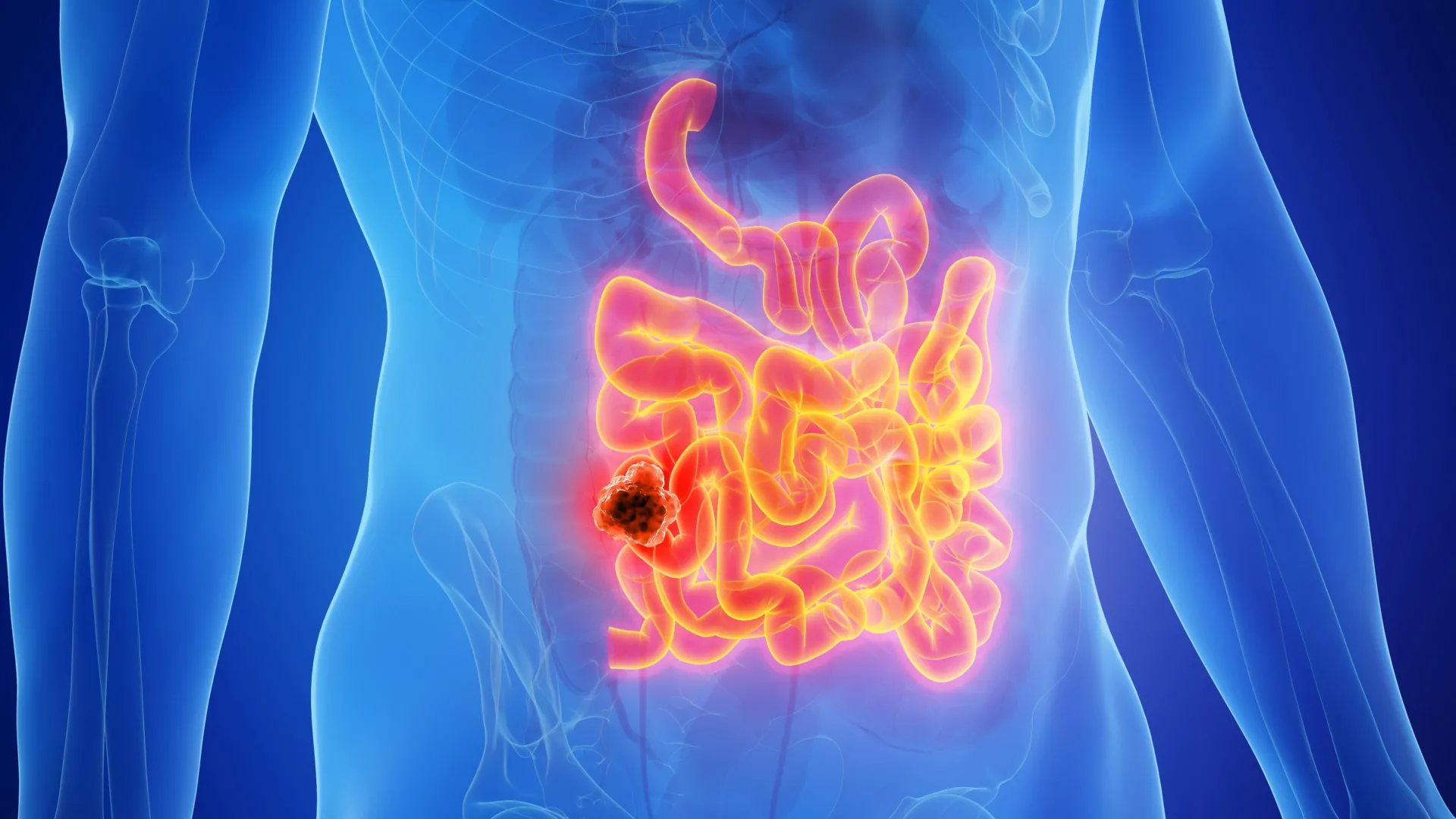
- MIT researchers found that a ketogenic diet increased small-intestinal tumors in cancer-prone mice while reducing colon tumors, revealing sharply opposite responses in two neighboring parts of the gut.
- The increased small-intestinal tumor risk was traced not to ketone bodies but to fatty acid oxidation in intestinal stem cells, which activated PPAR proteins and pushed the cells to divide more rapidly.
- Keto-fed mice did not become obese yet developed small-intestinal tumors at rates similar to or higher than mice fed a high-fat, high-calorie obesogenic diet.
- Published in Nature with Omer Yilmaz as senior author, the study challenges a 2022 Nature paper that credited the ketone BHB with keto's colon-protective effect, calling ketones 'metabolic bystanders' in both outcomes.
- Because both effects stem from how cells process dietary fat rather than ketones themselves, commercial ketone supplements would not be expected to reproduce either the increased small-intestinal tumors or the reduced colon tumors.
- The findings carry particular weight for people with inherited intestinal cancer susceptibility such as familial adenomatous polyposis, especially as small-intestinal tumor incidence has risen in recent decades.
Why it matters: For people using ketogenic diets for weight loss or epilepsy, MIT's mouse study splits the gut into two zones with opposite cancer outcomes — protective in the colon, tumor-promoting in the small intestine — and pins the effect on fat metabolism rather than ketones, meaning the booming ketone-supplement market isn't delivering the mechanism everyone's been crediting.
Ask SkimNews