MIT: Keto Diet Spurs Small-Intestine Tumors in Mice — SkimNews
Get the Health newsletter
Daily health & science — research, biotech, public health, the studies worth knowing. Free.
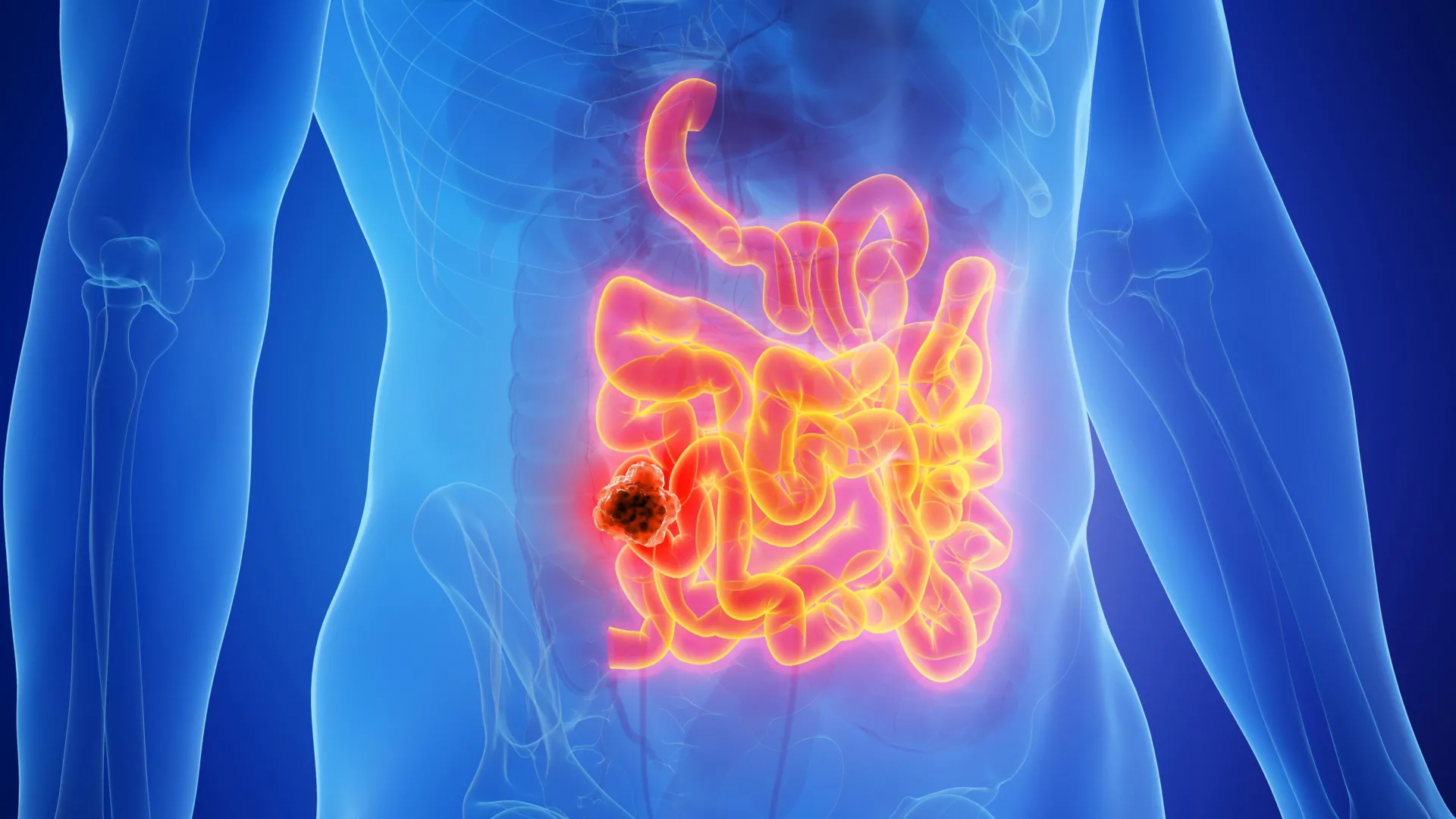
- MIT researchers published a Nature study finding that a ketogenic diet increased small-intestinal tumors in genetically cancer-prone mice while simultaneously reducing tumors in the colon.
- The increased small-intestine tumor risk was traced to fatty acid oxidation — how intestinal stem cells burn dietary fat for energy — not to ketone bodies, which the team called "essentially metabolic bystanders."
- Fat-burning activity switched on a family of PPAR proteins, prompting intestinal stem cells to divide more rapidly and creating more opportunities for cancerous changes, senior author Omer Yilmaz said.
- Mice fed the keto diet did not become obese, yet their tumor rates matched or exceeded those of mice given a high-fat, high-calorie obesogenic control diet.
- The findings, led by Omer Yilmaz (director of the MIT Stem Cell Initiative) with lead authors Jessica Shay and Fangtao Chi, directly challenge a 2022 Nature study that attributed colon-cancer protection to the ketone body BHB.
- Ketone supplements such as drinks or pills would not be expected to reproduce either the small-intestine tumor increase or the colon protection identified, since both effects were linked to fat metabolism rather than ketones.
- The small intestine is a tissue where tumor incidence has risen in recent decades, a trend the researchers flagged as especially significant for people with inherited disorders such as familial adenomatous polyposis.
Why it matters: For people with inherited cancer susceptibility like familial adenomatous polyposis — for whom small-intestine tumor rates have climbed in recent decades — the study reframes the keto conversation away from ketones and toward how dietary fat itself reprograms stem cells in the small intestine, a tissue where the diet accelerated tumors even without causing obesity.
Ask SkimNews