How intense rains in the Grand Canyon turned into a deadly disaster — SkimNews
Get the Energy newsletter
Daily energy & climate — solar, EVs, oil, the policy fights and tech bets shaping the transition. Free.
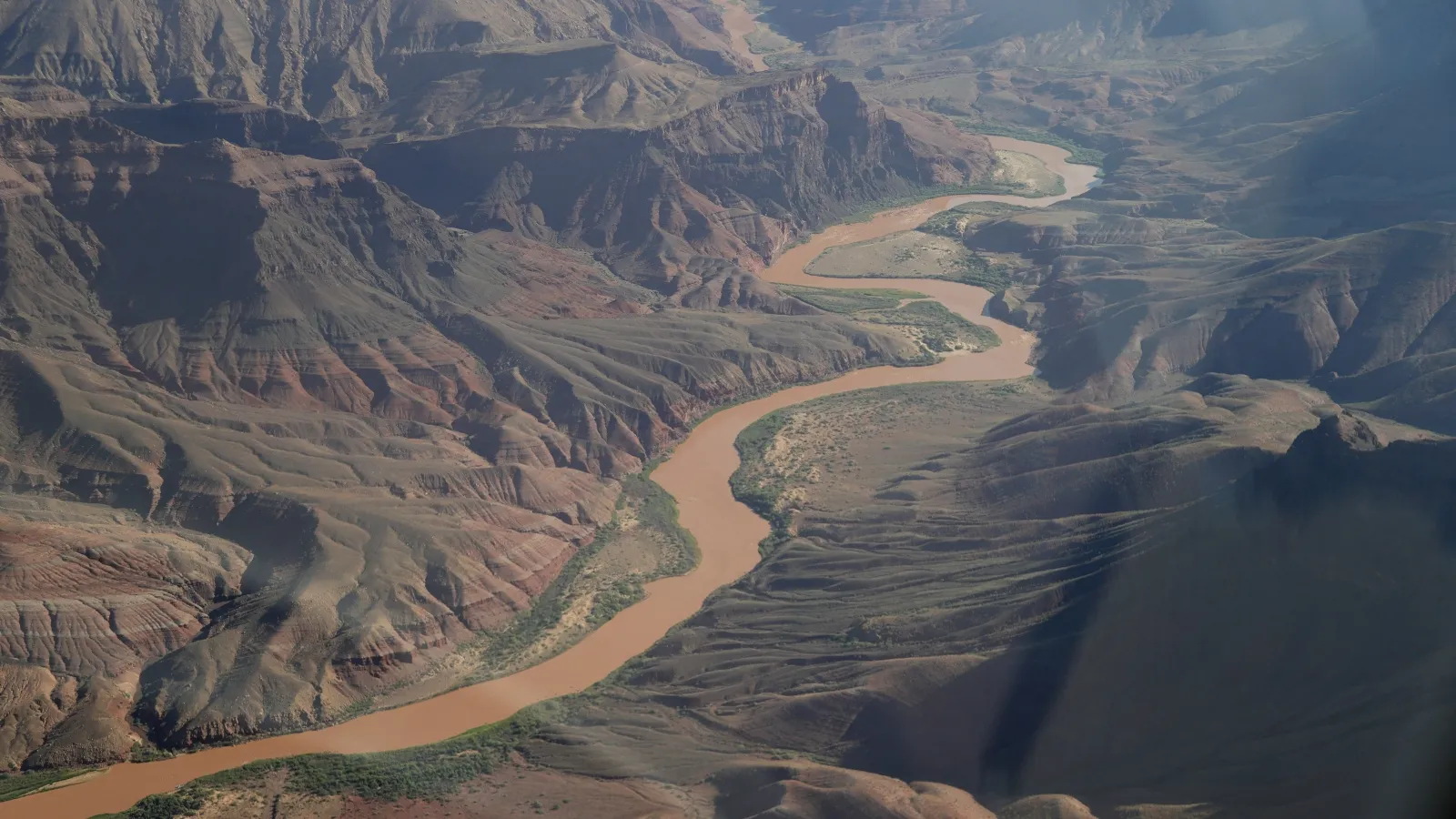
- Flash flooding in the Bright Angel Creek area killed at least two people, prompted the rescue of nearly 80 others, and left one person unaccounted for after a Saturday surge of water and debris swept through the Grand Canyon.
- The Dragon Bravo wildfire, which burned nearly 150,000 acres in July 2025 and consumed the historic Grand Canyon Lodge, left burn-scar terrain that federal models found raised debris-flow and runoff risk two to eight times upstream of Phantom Creek.
- Park officials had warned at the start of summer that stronger monsoon storms could create dangerous conditions near the burned areas, and evacuated hikers later described the creek as turning black with runoff as bridges and infrastructure were swallowed.
- UCLA hydroclimatologist Park Williams said El Niño, layered on top of climate-driven warming, sharply increased atmospheric water vapor over the Southwest that gets wrung out as rainfall — likely intensifying the downpour that hit the canyon.
- Climate scientist Daniel Swain and colleagues found in a study published in Weather and Climate Extremes that short-term intense summer downpours in the US West have become 10 percent stronger since 2000, calling the link to human-caused climate change "moderately strong."
- Researchers warn that so-called "compound extremes" — where drought, wildfire scarring, and severe storms overlap — are on the rise and are testing the limits of national resilience and recovery.
Why it matters: Federal models flagged the Dragon Bravo burn scar as raising runoff risk two- to eightfold in the corridor where the flood hit. With Western downpours already 10% stronger than in 2000 and El Niño potentially record-strength, the convergence of scarred terrain and atmospheric moisture is sharpening flash-flood risk at a national-park icon that draws huge summer crowds.
Ask SkimNews