BYD Adds More Chargers in 4 Days Than NEVI Built in 4 Years — SkimNews
Get SkimNews daily
A curated daily digest across 7 categories: geopolitics, tech, finance, health, energy, sports, culture. Free.
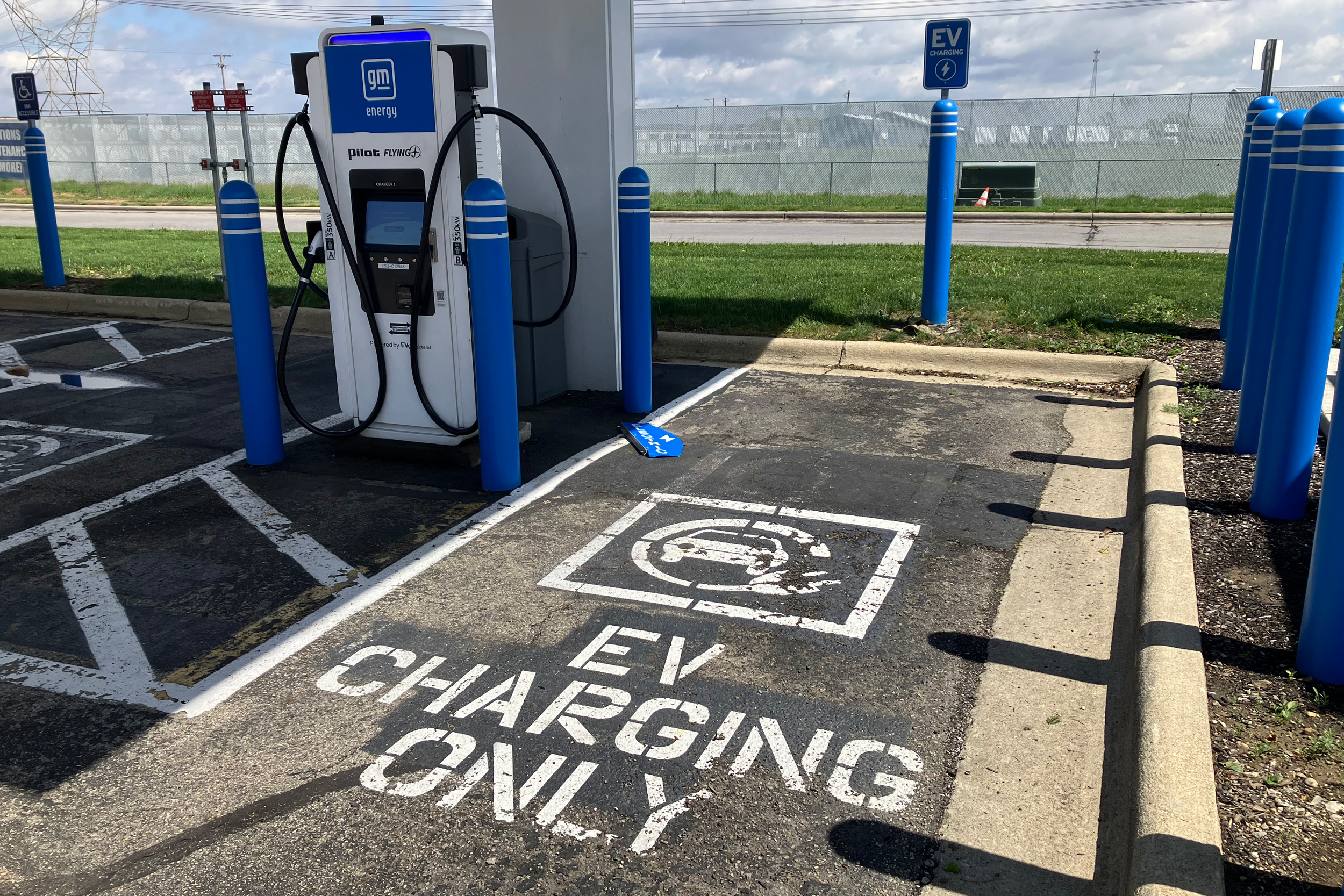
- NEVI energized 166 fast-charging locations across 16 states as of late 2025, with another 97 under construction, falling far short of the 500,000-station national goal for 2030.
- Trump administration imposed an "illegal freeze" on NEVI funding that consumed months before courts ordered it restored, a disruption the article blames for compounding the program's already slow pace.
- BYD operates 4,597 flash-charging stations across 279 cities, having added 358 in a single week, with plans to surpass 20,000 stations by the end of this year.
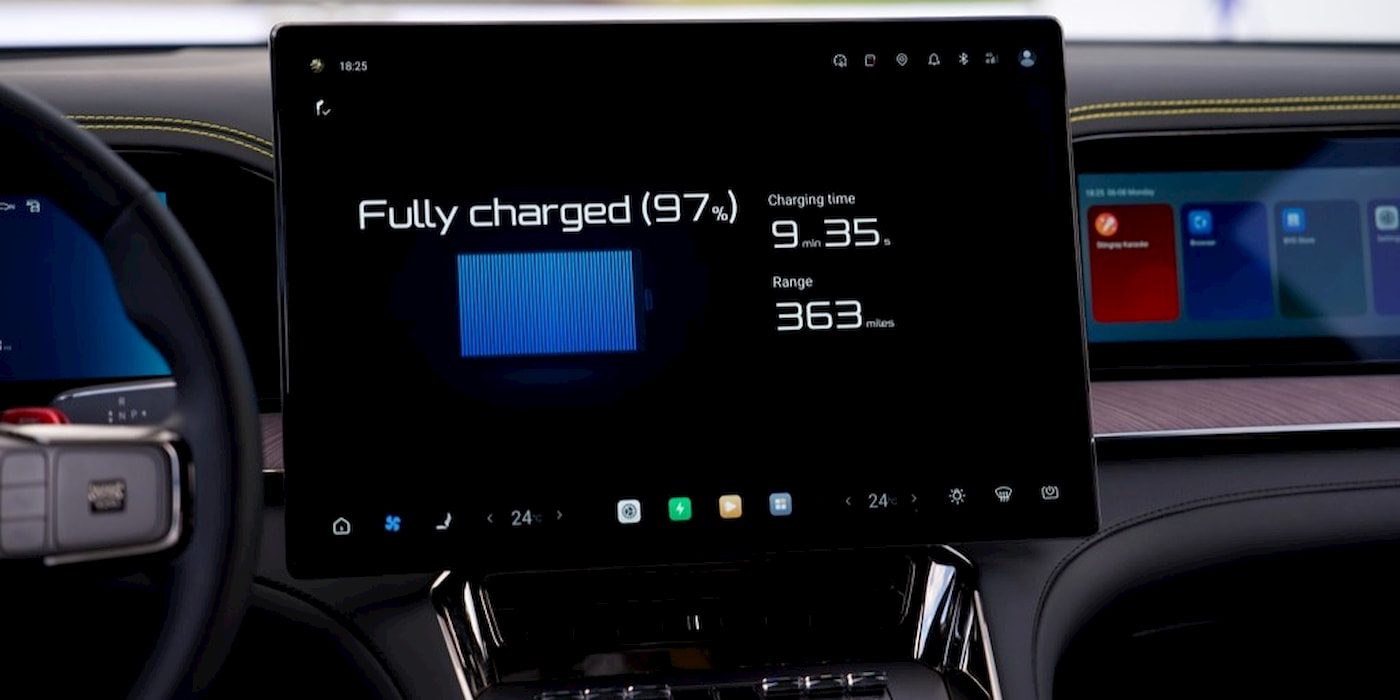
- BYD stations go from construction start to operational in under 7 days, compared to NEVI's 117-day average, and each charging pile delivers up to 1,500 kW with integrated buffer batteries and solar.
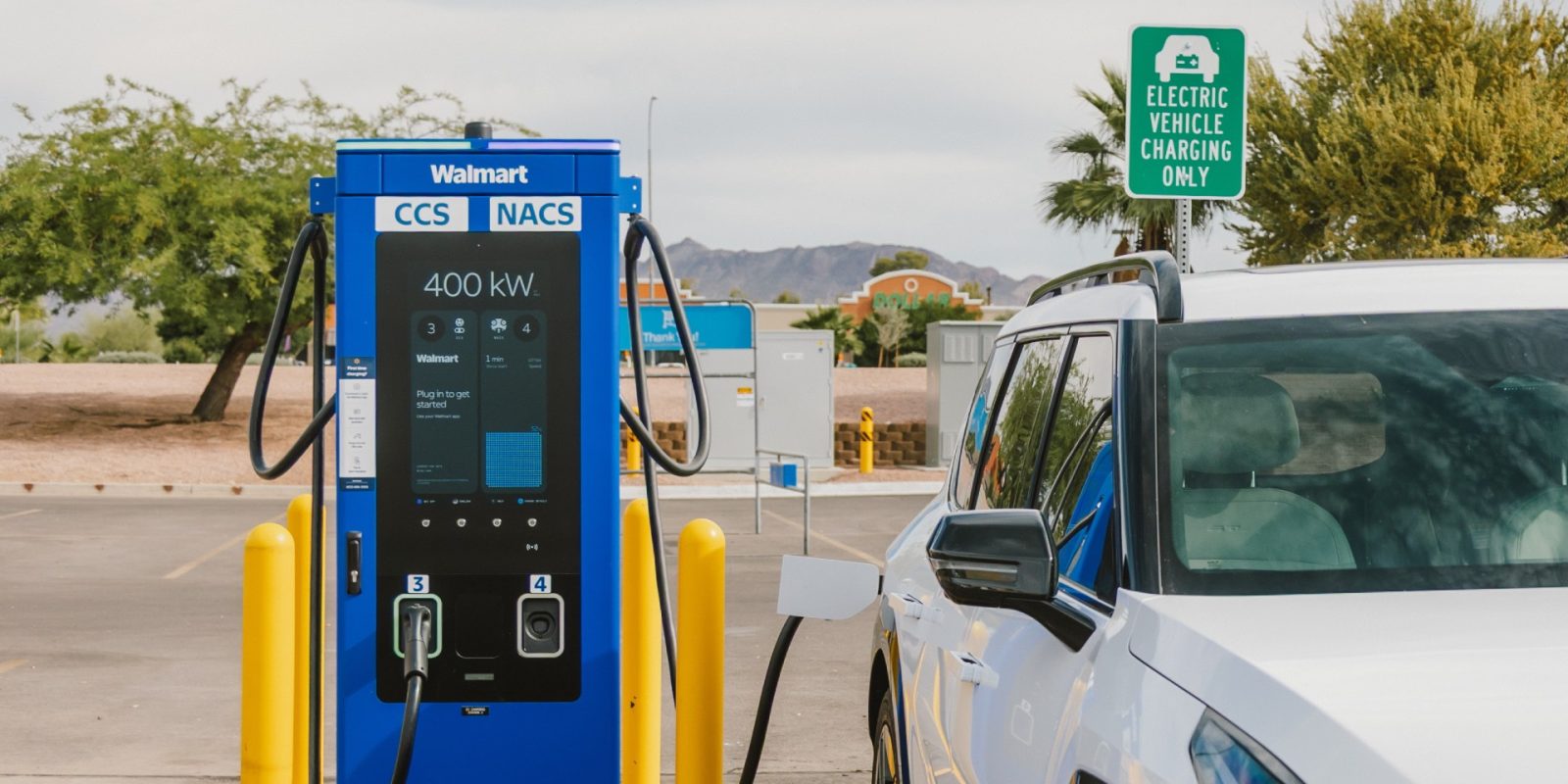
- US fast-charging network totals 14,521 stations according to AFDC, yet the article argues BYD alone will bring online more DC charging capacity in one year than the entire US has built to date.
- CleanTechnica's prescription: future federal programs should be designed to deploy funds faster than a single presidential election cycle, trimming domestic-sourcing rules, lengthy reviews, and pork-laden add-ons that slow execution.
- NYC's 2nd Avenue Subway is cited as a cautionary parallel, taking decades to build at $2.6 billion per mile — a cost overrun the article attributes to the same stop-and-start, overcomplication pattern now plaguing NEVI.
Why it matters: With 2030 EV adoption targets looming, the US is falling structurally behind on fast-charging deployment: NEVI's 117-day build time plus a court-overturned funding freeze have yielded 166 stations in four years, while BYD alone plans 20,000 by year-end. For American EV buyers, automakers, and federal infrastructure planners, the gap means a thinner public charging network and slower charging speeds than Chinese drivers will enjoy — undermining US EV competitiveness in the very market the program was meant to seed.
Ask SkimNews