What the New China-North Korea Bridge Really Means — SkimNews

Get the Geopolitics newsletter
Daily geopolitics — wars, elections, sanctions, the diplomatic moves that move markets. Free.
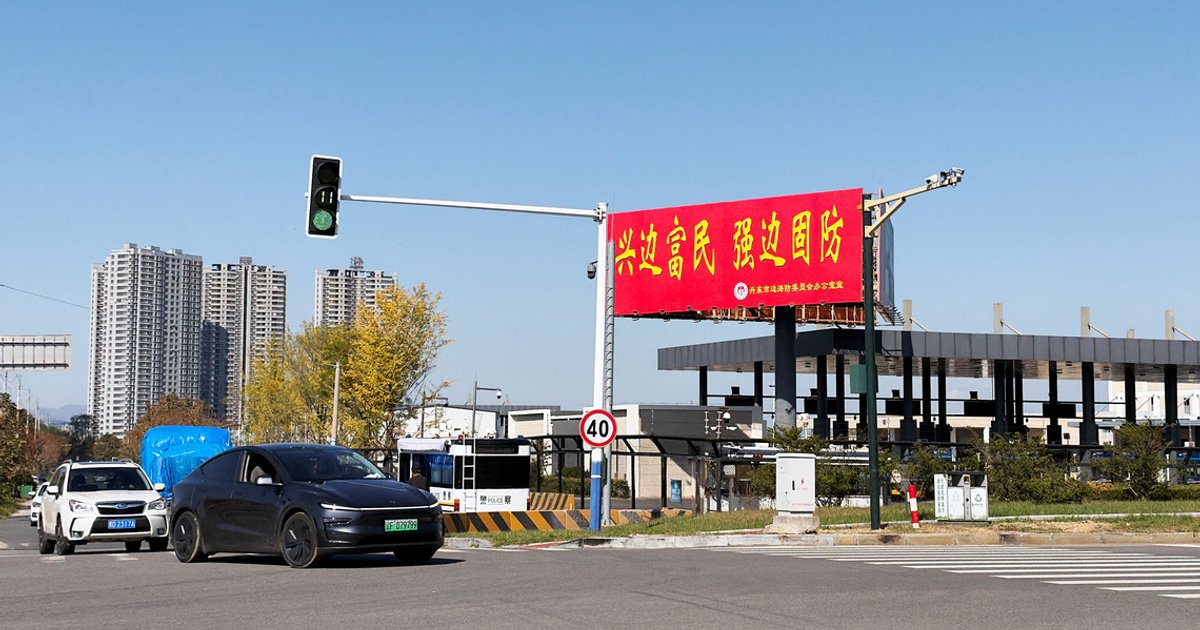
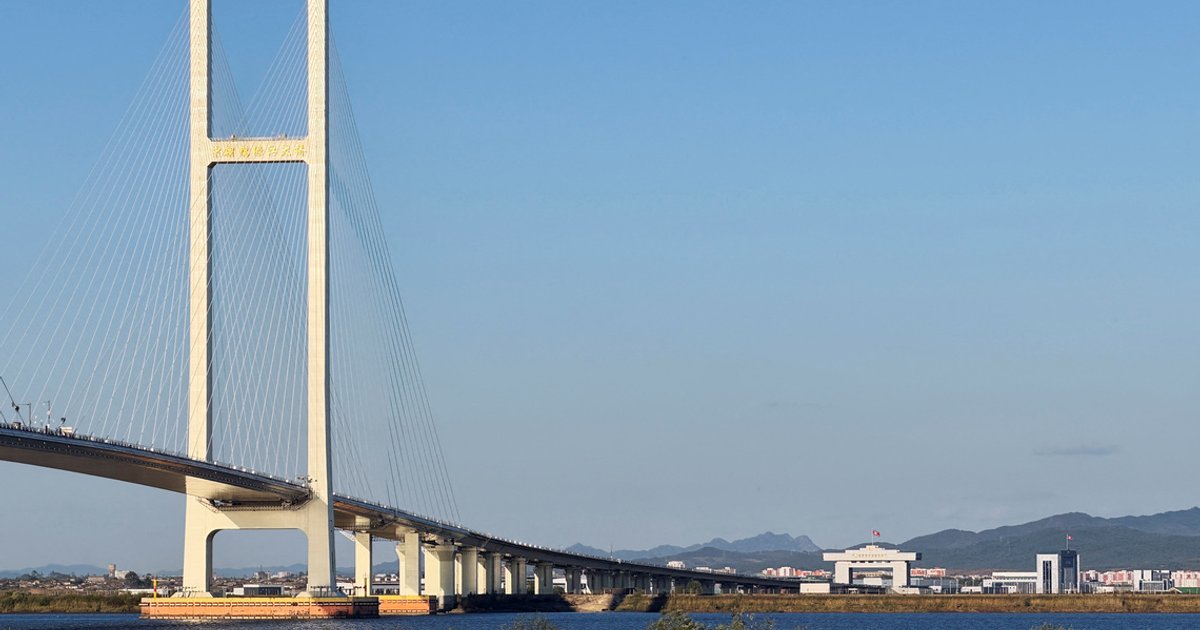
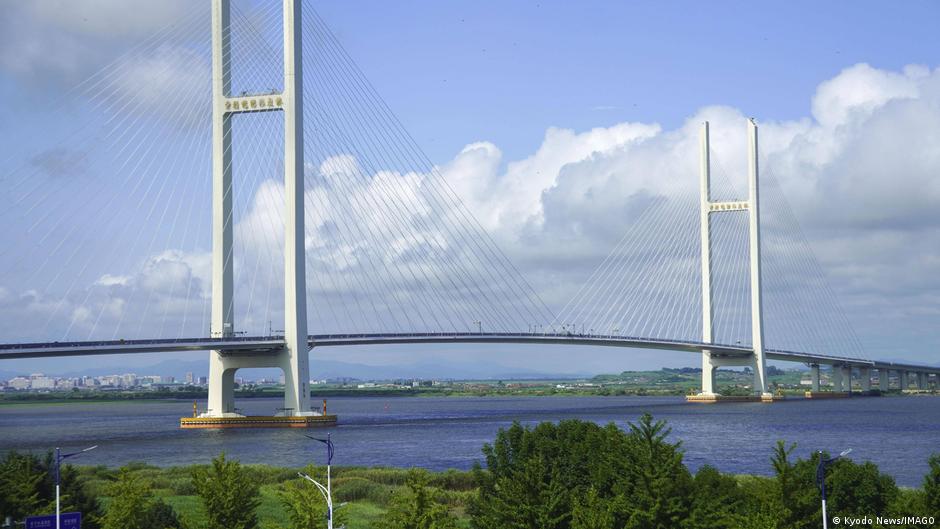
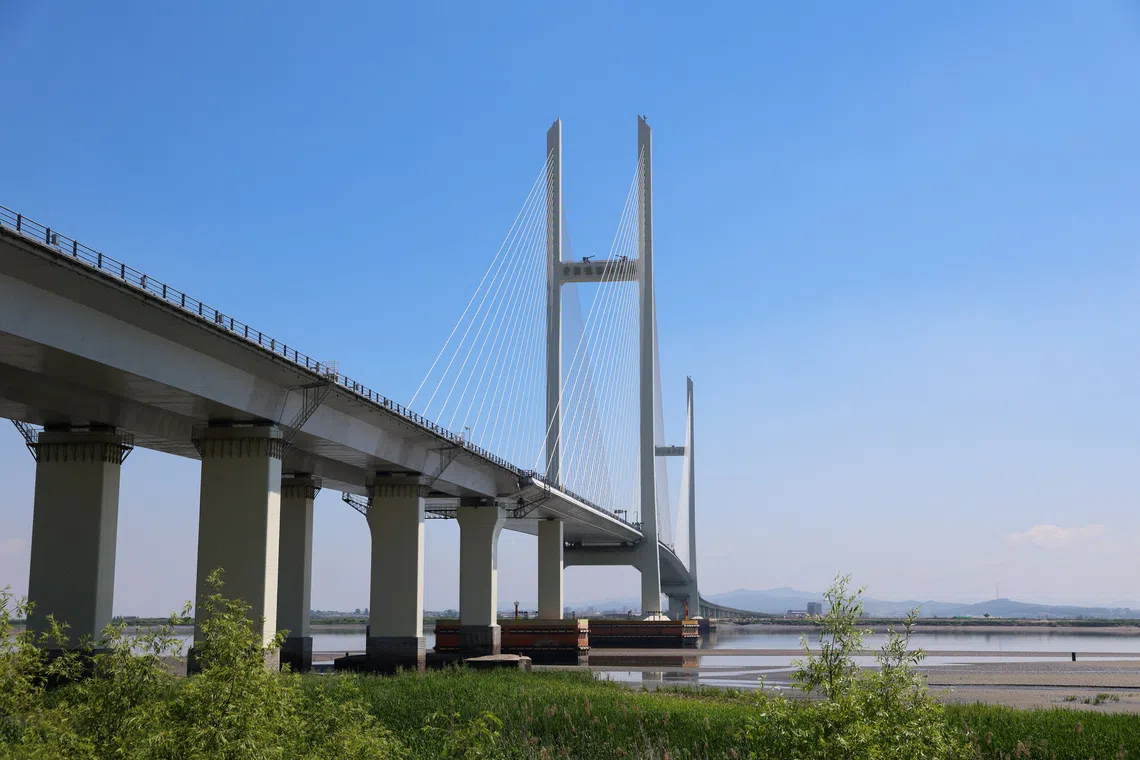
- New Yalu River Bridge opened to cargo trucks on October 15, linking Dandong in China's Liaoning province to Sinuiju in North Pyongan province — twelve years after construction finished in 2014 and four years after the two sides agreed in 2009 to build it.
- The bridge is more than 3 kilometers (1.9 miles) long with four lanes and was funded by China to expand freight beyond the existing Sino-Korean Friendship Bridge, though North Korea never completed connecting roads or customs facilities on its side during the intervening years.
- North Korean authorities have been expanding state-run stores and grain shops to tighten control over distribution, meaning imports crossing the new bridge are likely to flow first to state-approved trading companies and distribution agencies rather than private merchants.
- Pyongyang has reportedly pitched Chinese businesspeople on a plan to develop roughly 40 square kilometers (15 square miles) of southern Sinuiju into a logistics, processing, trade, and commerce hub, though UN sanctions sharply restrict industrial-equipment imports, processed-goods exports, and joint ventures.
- North Korea's "20×10" regional development policy is racing to build local industrial factories whose raw materials increasingly come from across the bridge, deepening the gap between the regime's self-reliance rhetoric and its actual reliance on Chinese inputs and capital.
- Daily NK is planning to track monthly truck crossings, the share of Chinese goods in markets, the split between state-store and private-market purchases, and factory operating rates over the next year to judge whether ordinary purchasing power actually rises.
Why it matters: Twelve years of delays exposed Pyongyang's narrow threshold for outside economic contact: it wanted trade benefits but never let down its guard against the changes such contact might bring. With cargo finally moving, state-controlled trading companies are positioned to capture most of the new import flow, meaning North Korea's dependence on Chinese raw materials, consumer goods, and logistics is likely to grow while ordinary citizens see limited gains unless private market channels survive.
Ask SkimNews