China-North Korea border bridge may do little to spur trade, experts say — SkimNews

Get the Geopolitics newsletter
Daily geopolitics — wars, elections, sanctions, the diplomatic moves that move markets. Free.
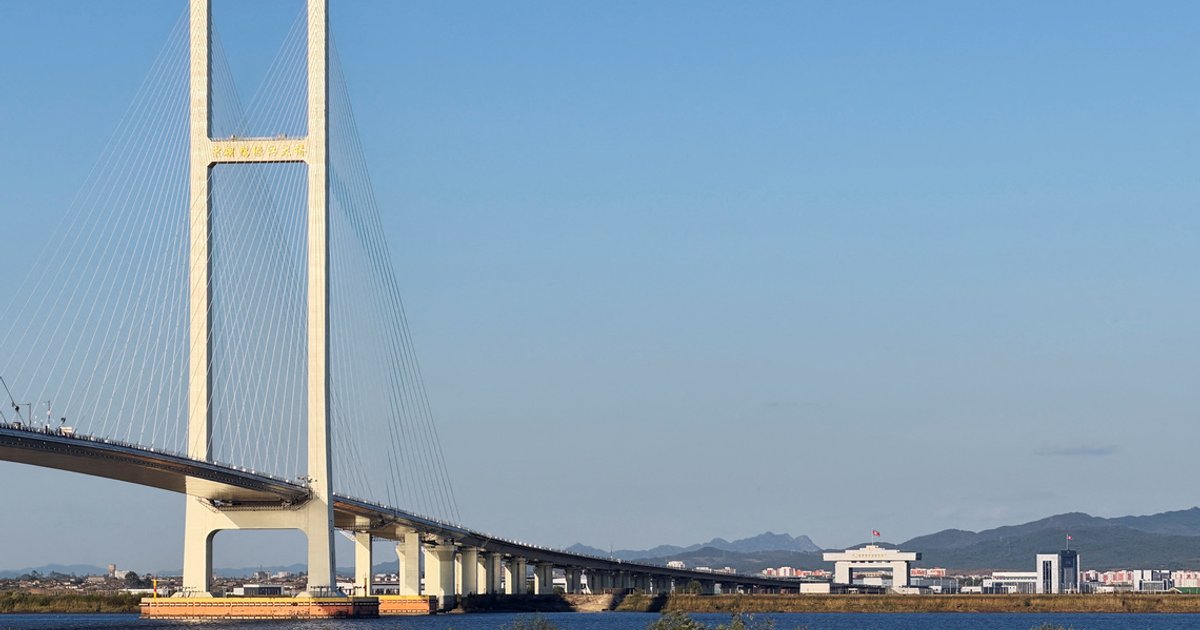
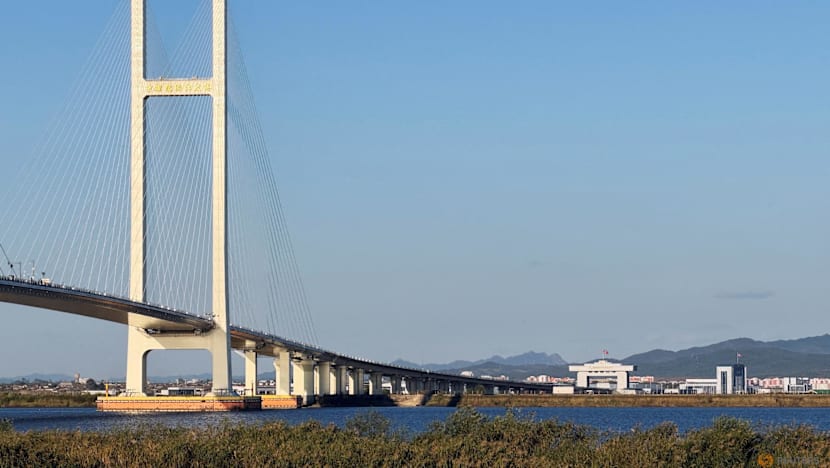
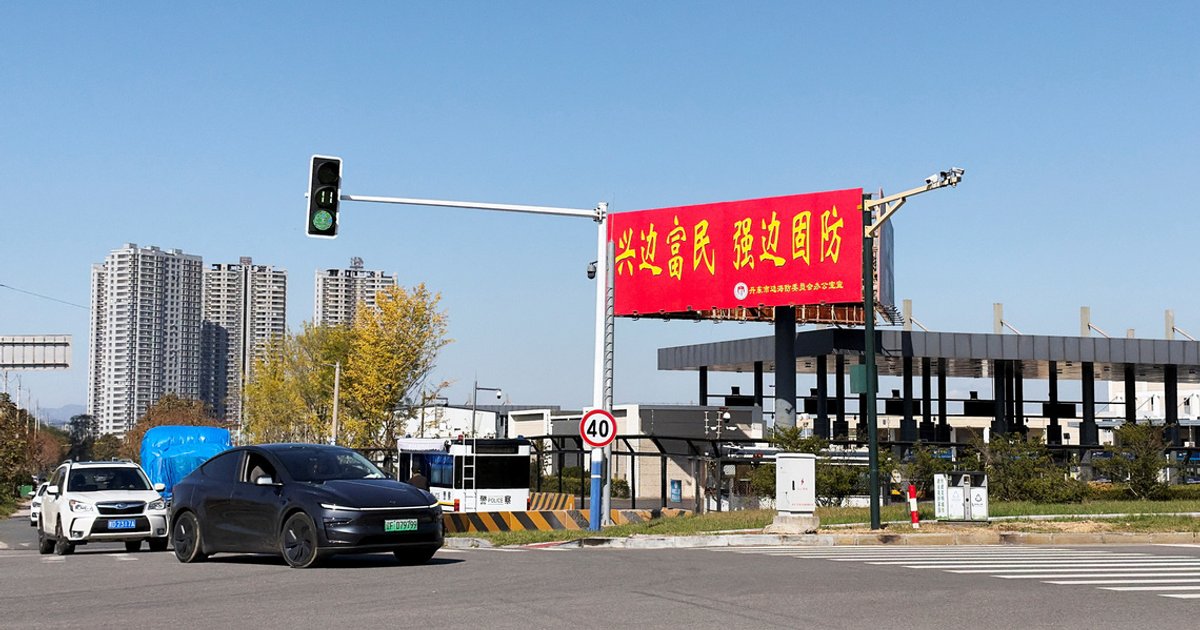
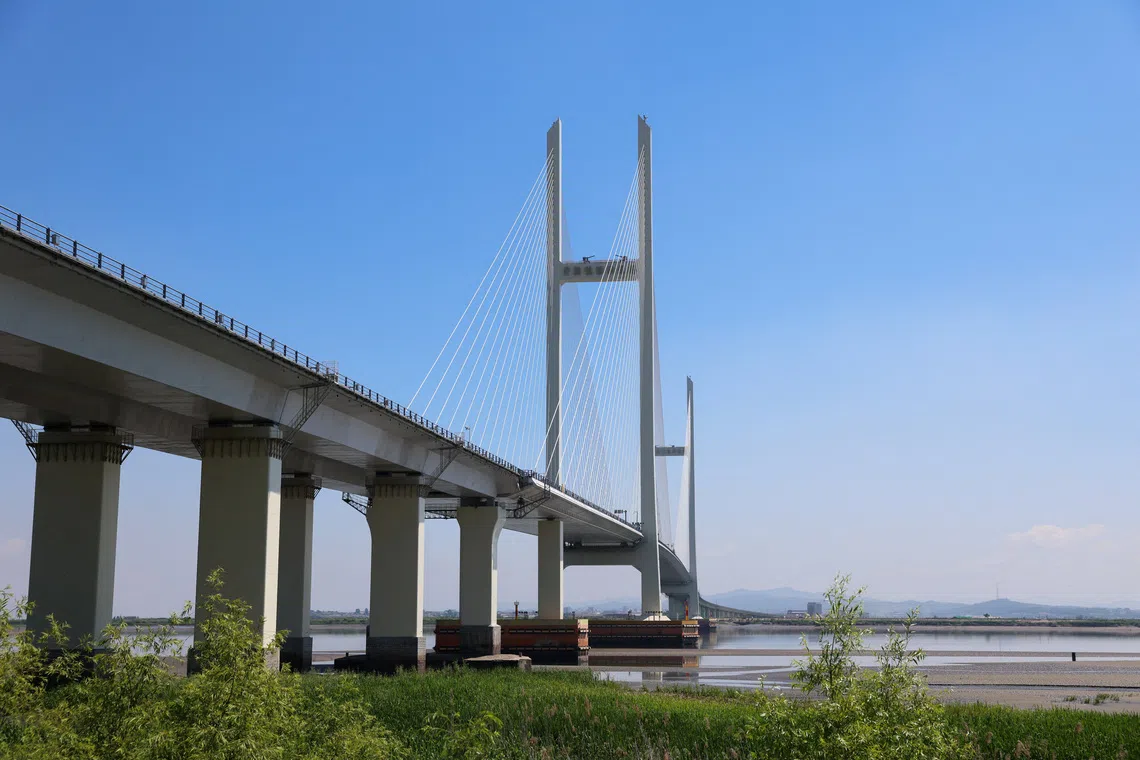
- The New Yalu River Bridge, a 3km four-lane crossing linking China's Dandong and North Korea's Sinuiju, officially opened Thursday after a 12-year construction saga — the Chinese side finished in 2014 but the North Korean side only wrapped roads and customs facilities this year.
- Chinese Premier Li Qiang and North Korean Premier Pak Thae-song both hailed the bridge as transformative, but experts including International Crisis Group's Christopher Green said 'the key is the politics of national security, not economics' and that 'lack of cross-border transit routes is not the main obstacle.'
- Bilateral trade grew 25% in 2025 to $2.74bn and jumped nearly 20% in the first half of 2026 to $1.5bn, yet remains a microscopic 0.04% of China's $6.36 trillion total trade and well below the $6.45bn peak reached in 2013.
- China accounts for as much as 95% of North Korea's official trade, and analysts cast Beijing's renewed courtship of Pyongyang partly as a response to North Korea's deepening ties with Moscow — including the deployment of North Korean troops to Russia's front lines in Ukraine and last month's opening of their first road bridge across the Tumen River.
- Past joint ventures underscore the limits of infrastructure alone: Bocconi researcher Marco Mari noted the '12-year delay certainly suggests that economic cooperation is more conditional than the language of friendship might imply,' citing the abortive Hwanggumpyong Special Economic Zone where China built infrastructure but North Korea 'didn't even pave the road.'
- North Korea treats trade 'more like a foreign policy tool' than an economic development engine, according to Suffolk University's Weiqi Zhang, meaning the new bridge may primarily give political cover to rising trade volumes rather than trigger a structural shift in Pyongyang's economic orientation.
Why it matters: The bridge swaps out a 1943 single-lane crossing with a 20-tonne weight cap for modern four-lane infrastructure, so if volumes do rise it will be a political decision, not a logistical breakthrough. With North Korea's trade share of 0.04% of Chinese commerce and Russia now offering Pyongyang an alternative patron, Beijing's leverage to extract economic reform from Kim Jong Un is arguably diminishing even as Xi Jinping and Kim meet for their seventh summit since 2018.
Ask SkimNews