China Opens Yalu Bridge to North Korea After 12 Years — SkimNews
Get the Geopolitics newsletter
Daily geopolitics — wars, elections, sanctions, the diplomatic moves that move markets. Free.
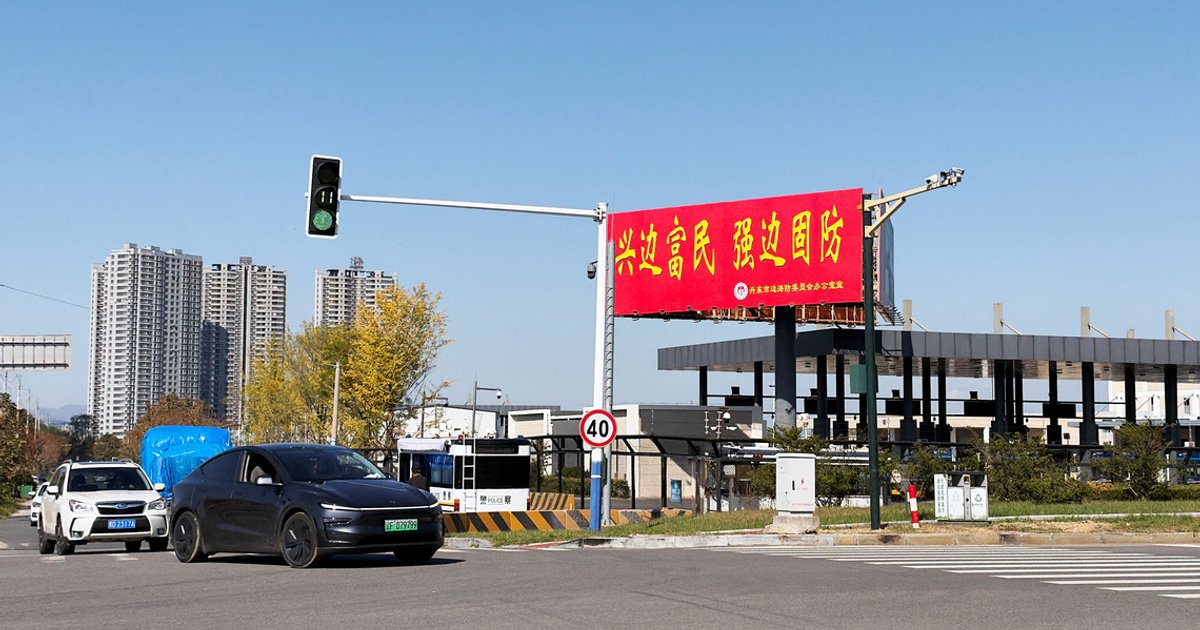
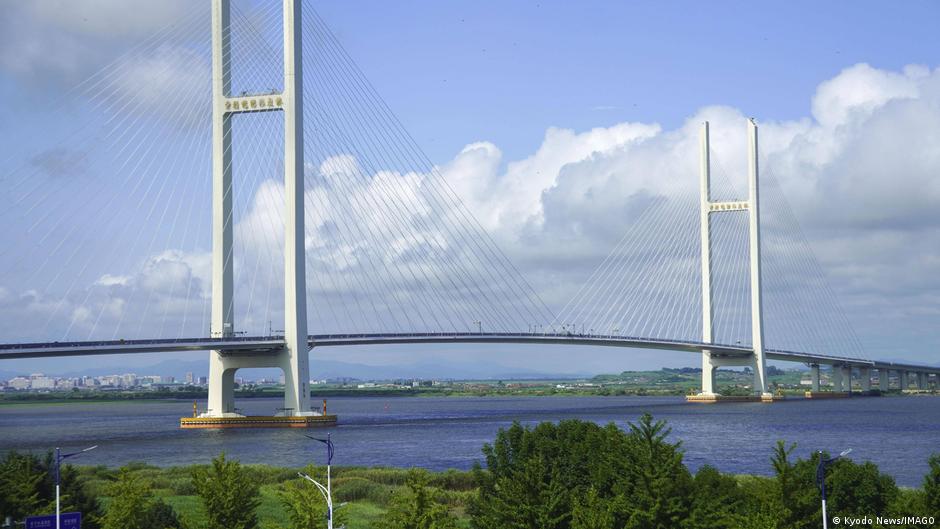
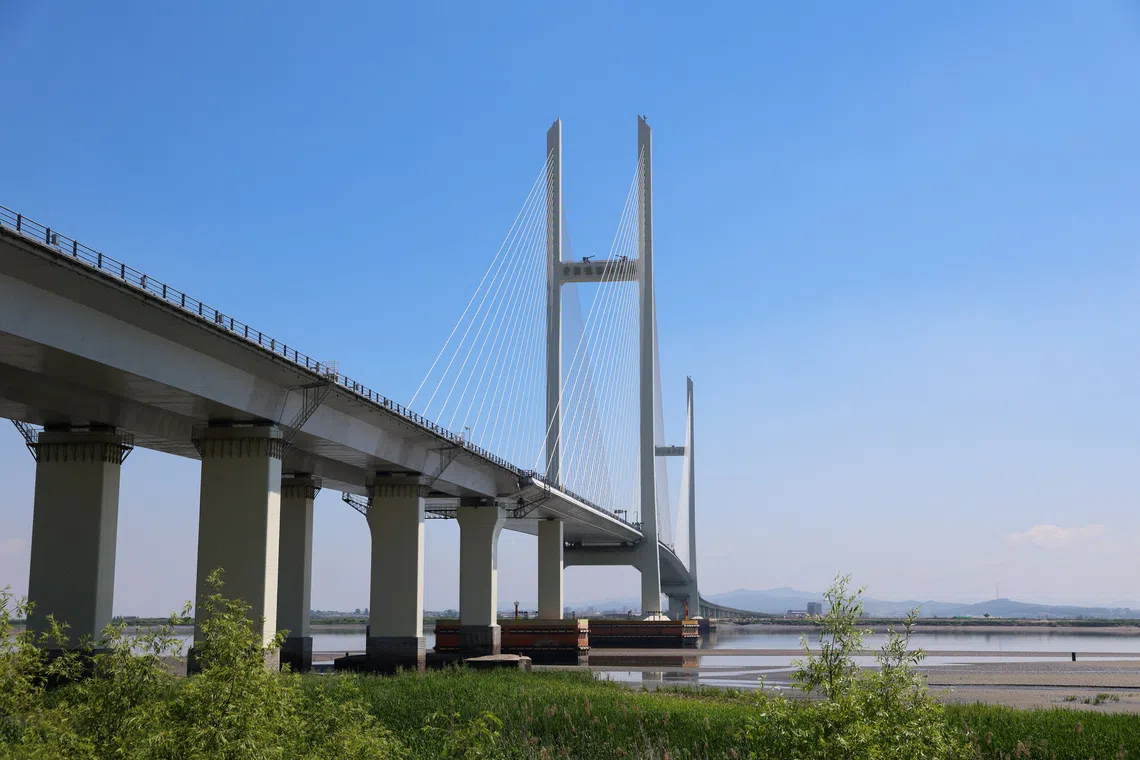
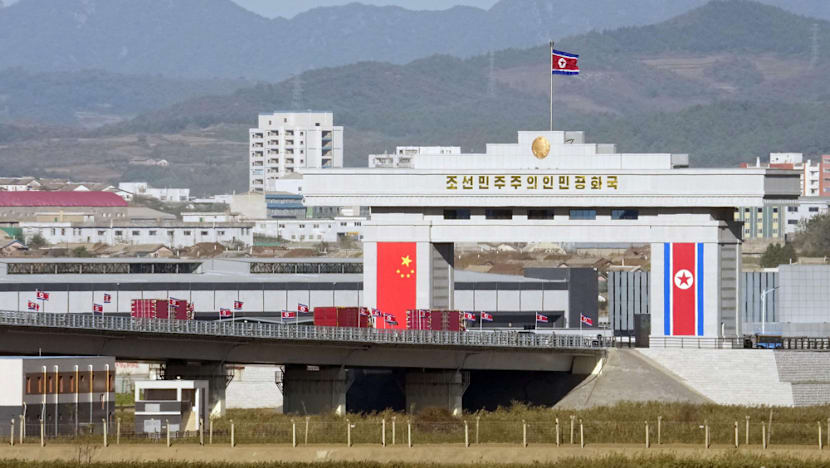
- China opened the New Yalu River Bridge to North Korean traffic on Oct 15, ending a 12-year stalemate over who would fund the North Korean customs infrastructure, sanctions-era diplomatic awkwardness, and Kim Jong-un's pandemic border closure since the US$350 million span was completed in 2014.
- China still accounts for over 98% of North Korea's official external trade, making Beijing the indispensable economic counterparty regardless of Moscow's recent courtship, and the bridge's opening now channels heavy containerised freight to supplement the ageing 1937 Imperial Japan-built Sino-Korean Friendship Bridge.
- Russia opened its own Tumen River road bridge with North Korea on Sep 7, roughly 16 months after breaking ground in April 2025, though the commentary argues Moscow's sparsely populated Far East cannot match China's industrial supply chain, agricultural inputs, and consumer goods.
- Beijing has dropped the word "denuclearisation" from its public diplomacy with Pyongyang, reframing North Korea's nuclear arsenal as a durable buffer tying down American military attention rather than a proliferation liability.
- Donald Trump has already acknowledged North Korea's "57" nuclear weapons as a practical reality while hinting at leader-level diplomacy, rendering the traditional sanctions-for-denuclearisation bargain obsolete according to the commentary.
Why it matters: By opening a four-lane highway to a nuclear-armed North Korea just five weeks after Russia's competing Tumen bridge, Beijing is converting physical infrastructure into permanent strategic leverage over Pyongyang's only meaningful trade route, draining the economic coercion tools Washington once hoped to leverage at the negotiating table.
Ask SkimNews