Ukraine hits Wildberries, squeezes Russian small businesses — SkimNews
Get the Geopolitics newsletter
Daily geopolitics — wars, elections, sanctions, the diplomatic moves that move markets. Free.
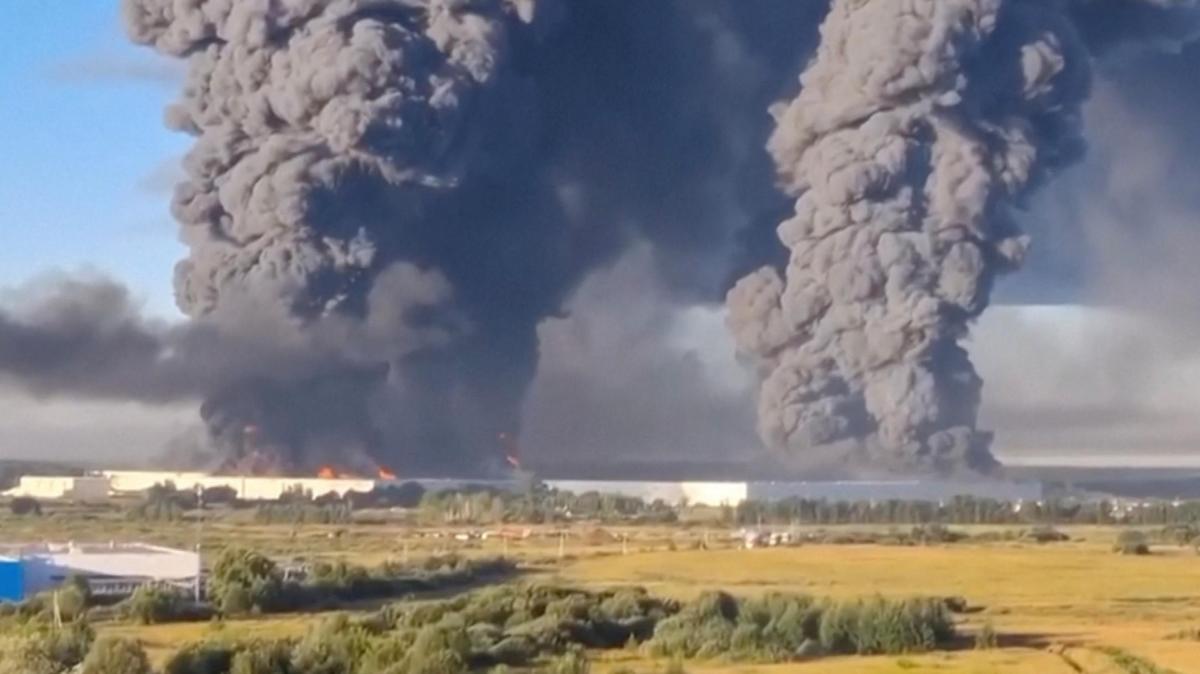
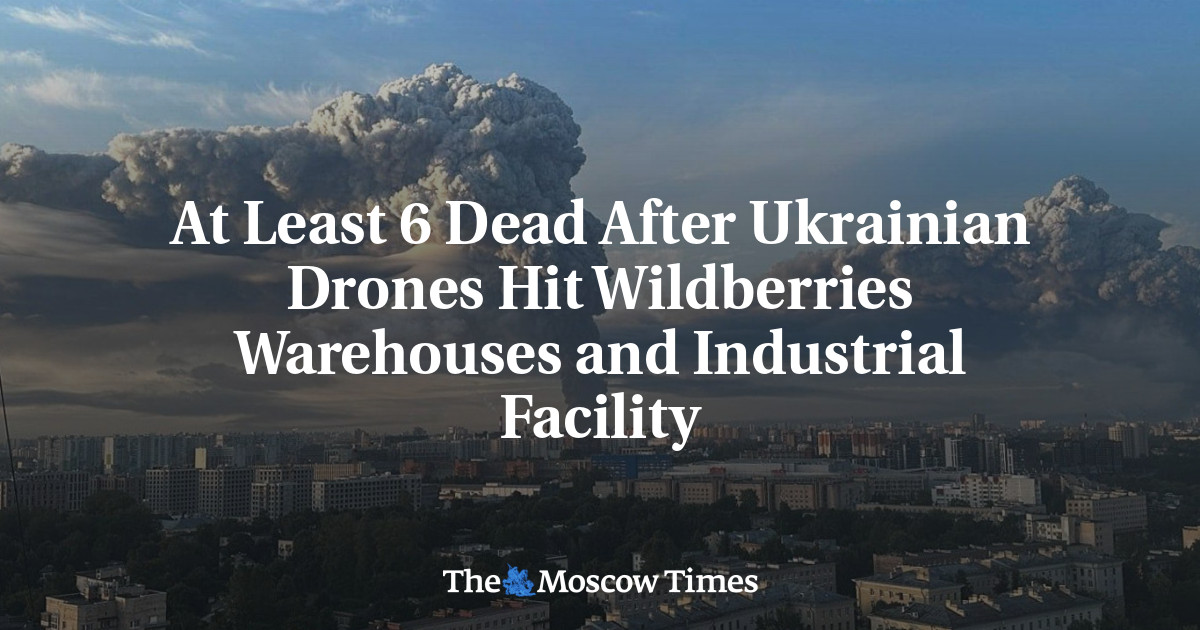
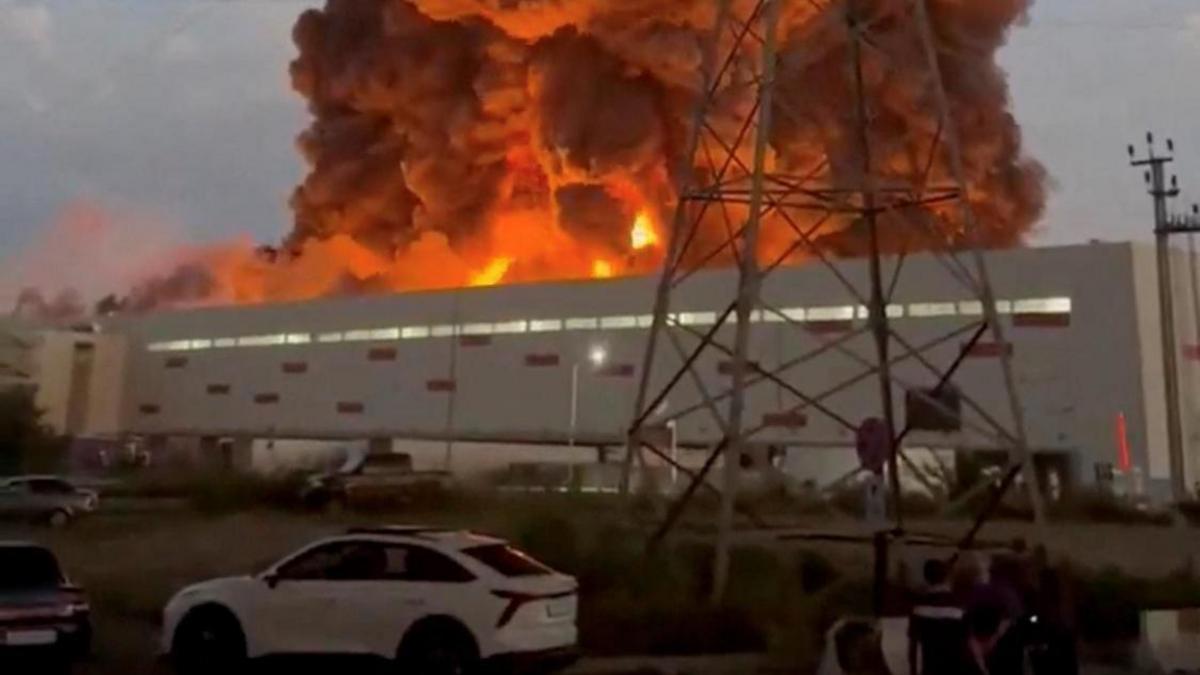
- Ukrainian drones struck Wildberries warehouses at Elektrostal (east of Moscow) and Kotovsk in the Tambov region over the weekend, then hit Krasnodar and Nevinnomyssk in the Stavropol region overnight into Wednesday, killing seven nightshift workers in Kotovsk and one in Elektrostal.
- Kyiv said the strikes targeted "major logistics facilities" used to supply sanctioned components for drone production and navigation equipment; President Zelensky framed the campaign as "bringing the war back home to Russia."
- Wildberries and rival Ozon are used by an estimated 85–90% of Russia's economically active population, and unlike Amazon both platforms act almost entirely as marketplaces, meaning independent sellers rather than the company absorb stock losses — one seller lost 1.4m roubles (£13,300) of teenage clothing inventory.
- Wildberries owner Tatiana Kim promised sellers "not to abandon" them and offered temporary discounts and waived shipment fees, but less than two weeks before the attacks the company added a clause to seller contracts listing drone attacks as a "force majeure event" for which it is not liable.
- Russia's small and medium-sized business sector was already under strain before the strikes — VAT rose from 20% to 22% in January, 209,000 SMBs closed in Q1 2026 (9% more than Q1 2025), and oil and gas revenues were 23% lower than in the first six months of 2025, per Kontur.Fokus.
- Ukraine's own logistics infrastructure has been hit by Russian strikes on Nova Poshta sorting terminals, ATB retail warehouses, and Roshen confectionery facilities, underscoring the reciprocal nature of the long-distance targeting campaign.
- The Kremlin has denied that online platforms supply the Russian military, though pro-war bloggers acknowledge volunteers routinely buy kit through Wildberries and Ozon; there is no independent confirmation that the specific warehouses struck stocked military supplies.
Why it matters: Russia's wartime backbone is its small and medium-sized businesses, which Putin has publicly framed as essential to sanctions resilience — yet the state cannot shield them from the cascading shocks of VAT hikes, fuel shortages, internet shutdowns, and now drone strikes on the marketplace that 85–90% of economically active Russians rely on. With 209,000 SMBs already closing in Q1 2026 and oil/gas revenues down 23%, the loss of roughly £750m in goods at warehouses used by hundreds of independent sellers marks a direct hit on the civilian economy the war is supposed to sustain.
Ask SkimNews