After Iran breakthrough, Trump says he can help end Russia-Ukraine conflict — SkimNews
Get the Geopolitics newsletter
Daily geopolitics — wars, elections, sanctions, the diplomatic moves that move markets. Free.
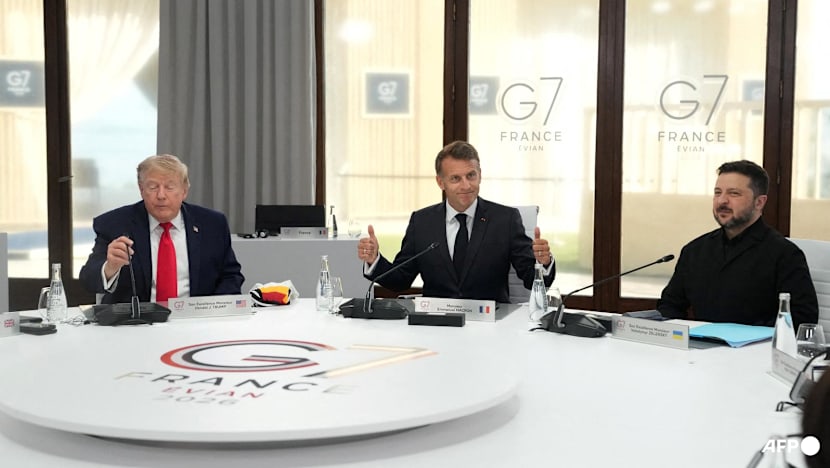
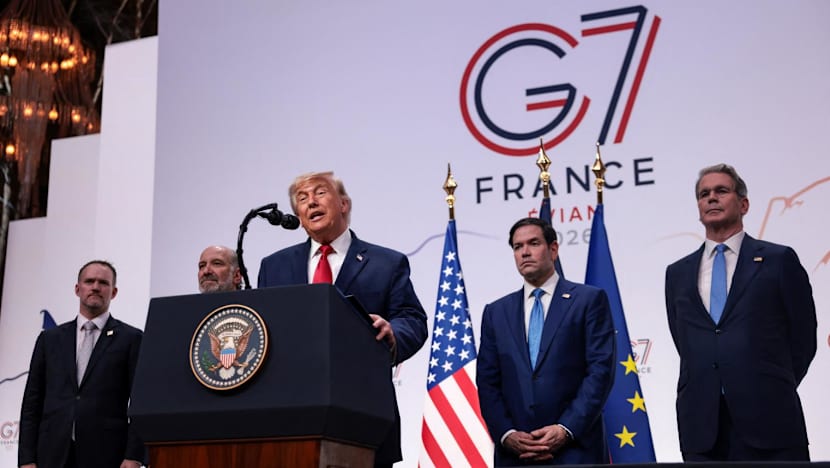
- Trump told reporters at the G7 summit in Evian-les-Bains that ending the Russia-Ukraine war is his next major objective, pivoting from a preliminary agreement with Iran now moving toward formal implementation.
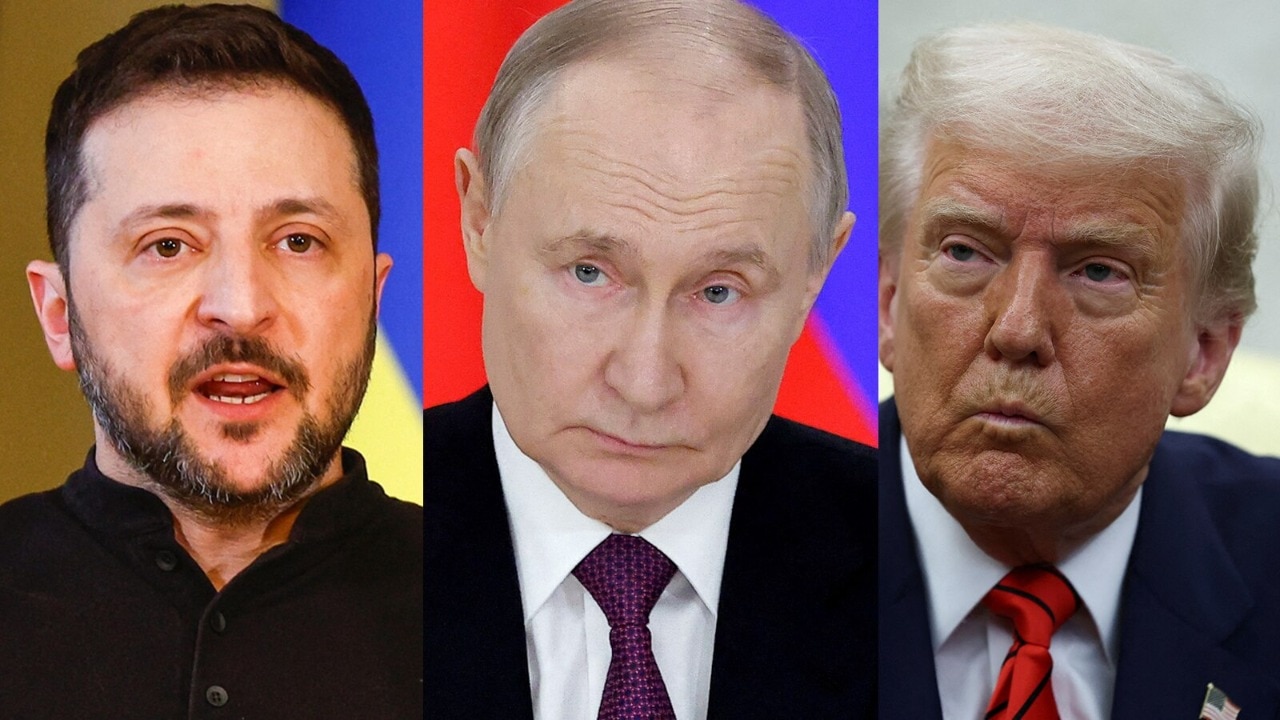
- Trump said he had a "very good conversation" with both President Zelenskyy and President Putin, claiming he believes "they're both open to" resolving the conflict.
- Zelenskyy said he offered to meet Putin at the summit but Moscow was not prepared for such a meeting, while continuing to seek additional political and military backing from Western allies as Russian attacks persist around Kyiv.
- Trump threatened to impose 100% tariffs on French wine if France refuses to remove its digital tax on major American technology companies, adding trade friction to an agenda already dominated by war and diplomacy.
- Macron pushed back, stating "Tariffs don't do anyone any good, especially tariffs between G7 countries," amid European concerns about the long-term US commitment to traditional alliances.
- Trump announced that commercial traffic had resumed through the Strait of Hormuz, a key energy corridor that faced severe disruption during the Iran conflict, easing pressure on global oil supplies.
Why it matters: Trump's personal re-engagement with both Kyiv and Moscow gives the stalled Russia-Ukraine peace effort a new diplomatic channel, but his simultaneous 100% French wine tariff threat shows trade frictions will compete with war diplomacy for G7 attention. European allies arrived wary of abrupt US foreign policy shifts, and Moscow's refusal to meet Zelenskyy at the summit undercuts the optimism Trump projected.
Ask SkimNews