Range Energy eTrailer Edges Tesla Semi on Reefer Costs — SkimNews
Get the Energy newsletter
Daily energy & climate — solar, EVs, oil, the policy fights and tech bets shaping the transition. Free.
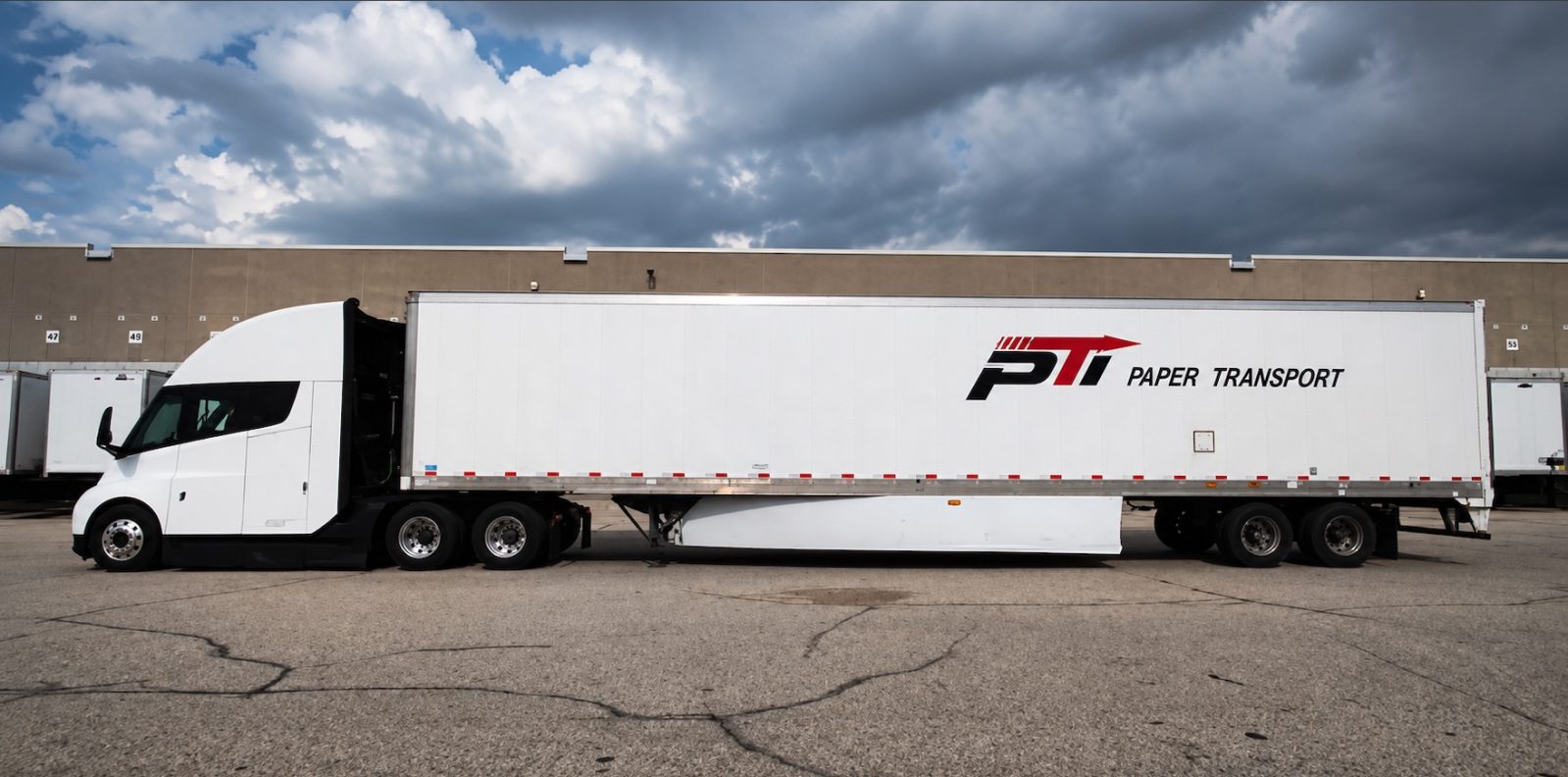
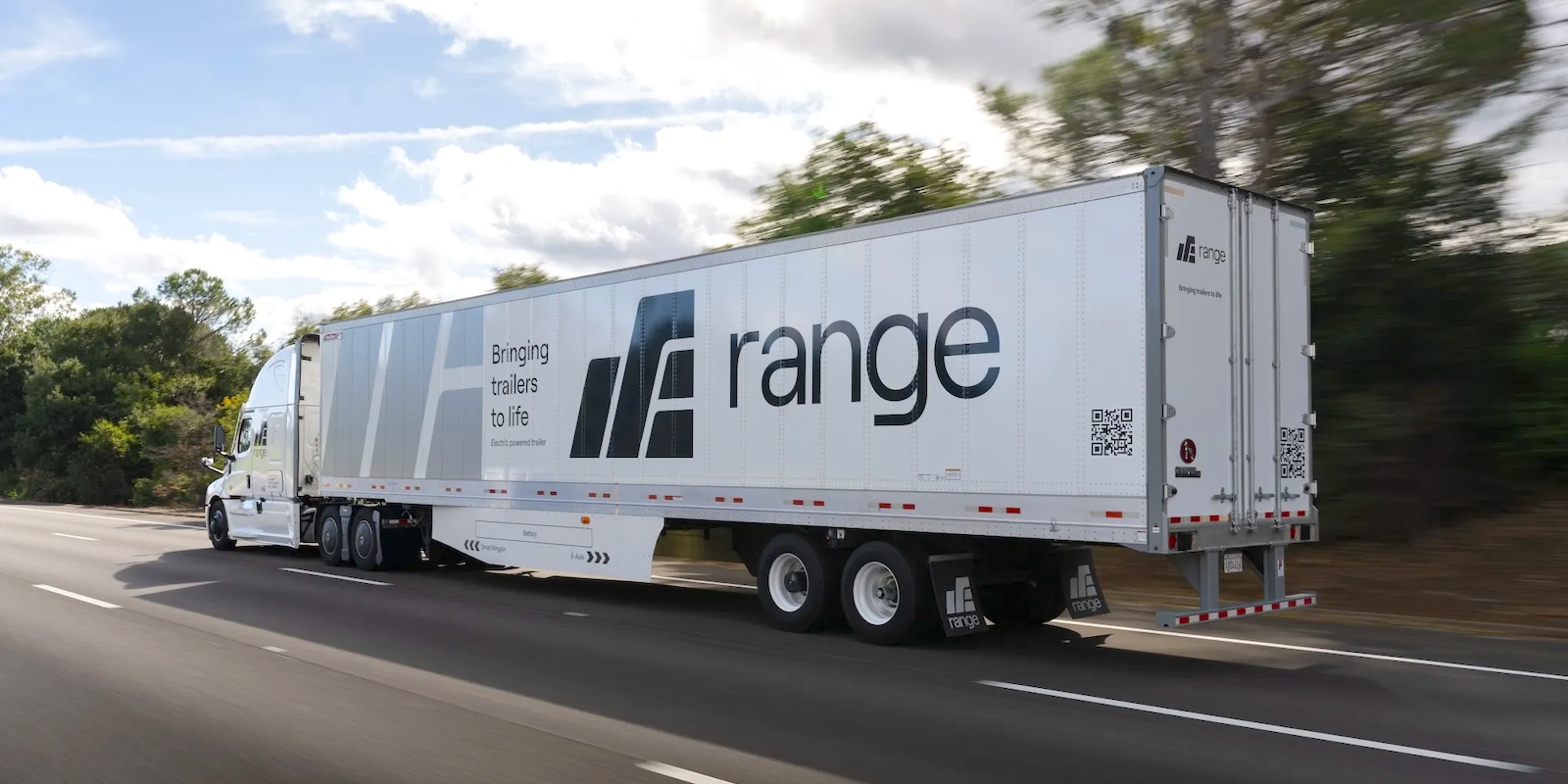
- Range Energy published a white paper comparing its eTrailer with the Tesla Semi, mostly in refrigerated-trailer scenarios, finding the eTrailer saved slightly more money by a narrow margin in most cases, while both options beat diesel in most—but not all—scenarios.
- Range Energy cited earlier tests in which the battery-and-motor trailer reduced fuel use by 36% and a California egg-farm pilot that improved diesel-fleet fuel efficiency by 50% to 70%.
- Tesla Semi scenarios varied widely: public charging was more expensive than depot charging, while sharing a charger between two Semis produced the largest savings but required tightly timed overnight driving.
- eTrailer can enter existing fleets with little operational change, power reefers without a diesel generator and pair with either diesel or electric tractors; the electric-tractor combination extends range on longer, lighter hauls.
- Range Energy left financing, real-world Tesla Semi data, competing electric options, site-specific utility rates, regional incentives and diesel emissions out of its model, while assuming future diesel prices below current levels.
- eTrailer is not yet commercially available: Range Energy says volume production will start in late 2027, while Tesla has claimed it has begun Semi production in earnest after nearly 10 years of orders; neither option offers immediate relief.
Why it matters: Refrigerated fleets are the clearest audience for Range’s comparison: its model puts eTrailer savings slightly above the Tesla Semi, but the 50% to 70% egg-farm pilot is separate from the late-2027 production timeline. Depot charging materially changes Tesla’s economics, so fleets still need route-specific numbers rather than treating the narrow savings gap as a universal ranking.
Ask SkimNews