Maximizing efficiency: How commissioning and retro-commissioning facilities can strengthen grid resiliency — SkimNews
Get the Energy newsletter
Daily energy & climate — solar, EVs, oil, the policy fights and tech bets shaping the transition. Free.
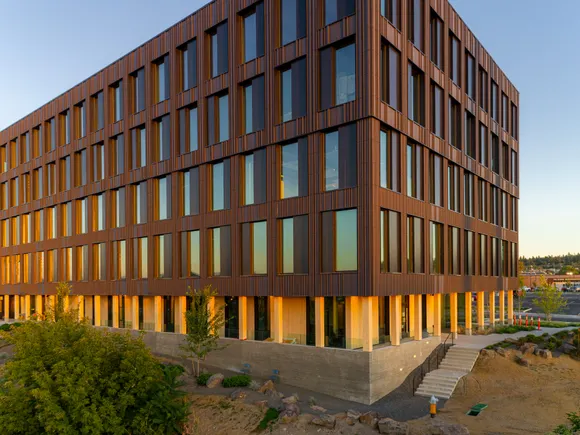
- Electricity accounts for 60% of the energy consumed by commercial buildings in the U.S., and by 2027 commercial and industrial (C&I) customers are expected to surpass residential customers in electricity demand for the first time ever.
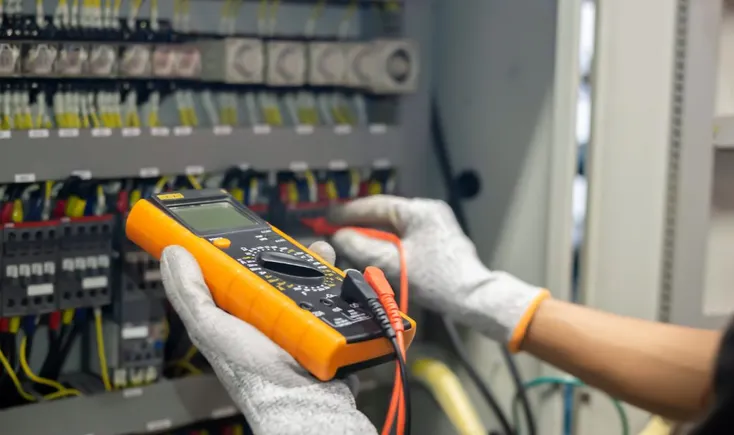
- Retro-commissioning (RCx) yields cost savings without capital-intensive projects by resetting systems that have drifted from design intent, calibrating sensors, and completing routine preventive maintenance such as leak repairs, coil cleaning, filter changes, and steam trap replacements.
- Variable frequency drives (VFDs) can reduce electricity costs by up to 50% while also improving equipment service life, occupant comfort, and qualifying buildings for utility incentives — making them a strong RCx-adjacent recommendation.
- NORESCO's new-construction commissioning begins during pre-design rather than post-construction testing, with the firm documenting owner goals, collaborating with architects and engineers, and recommending designs like heat recovery for facilities with year-round cooling loads such as data centers.
- State and utility incentives support upgrades: NYSERDA in New York offers financing for energy-efficiency improvements, building electrification, and RCx studies; California offers state tax credits for certain efficiency improvements; Con Edison and Commonwealth Edison provide additional utility-side incentives.
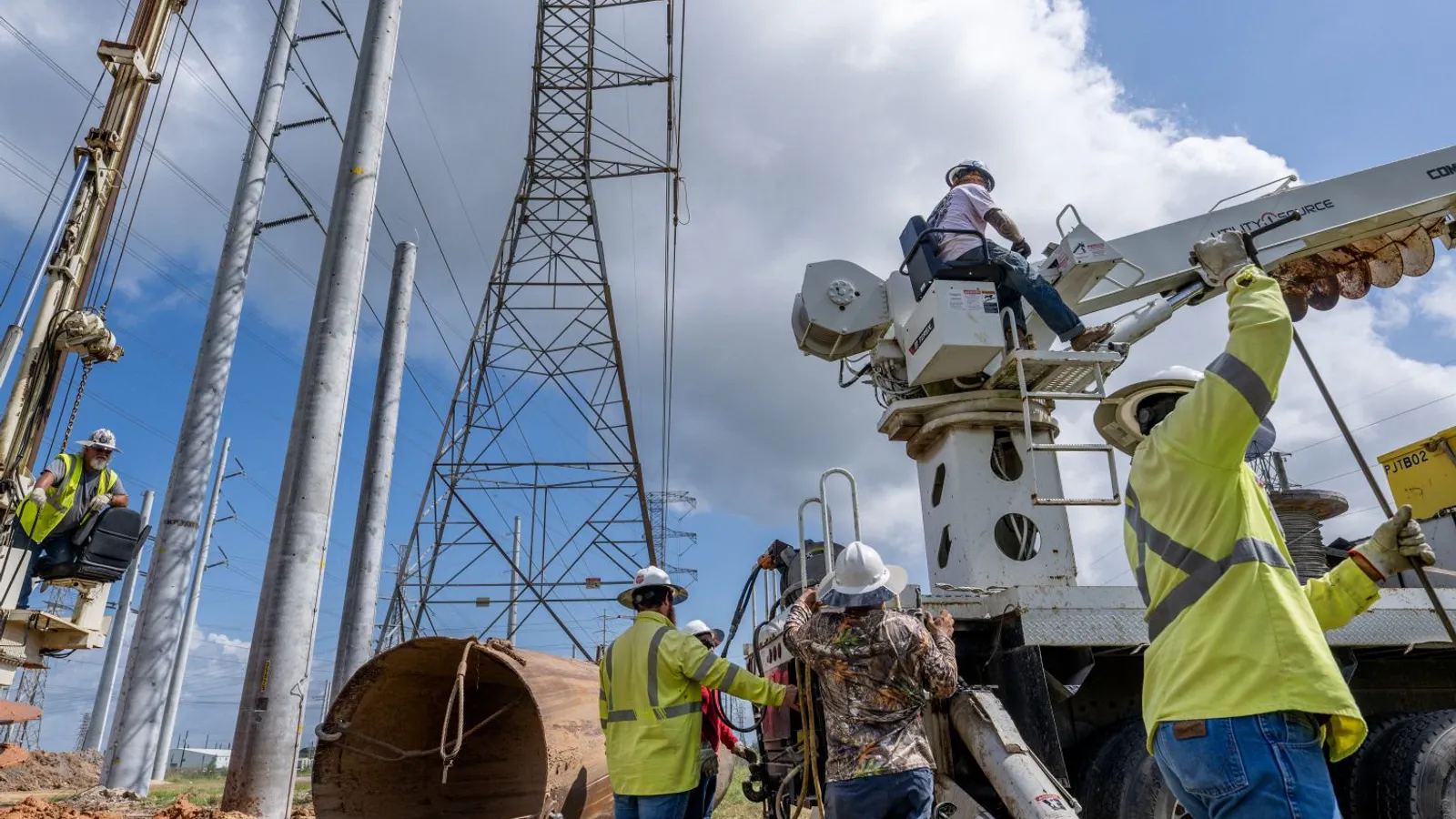
- Efficiency-driven grid benefits include extended lifespans for existing grid infrastructure, deferred maintenance and capital expenditures for utilities, improved SAIDI and SAIFI reliability scores, and fewer outages for customers.
Why it matters: Spiking commercial electricity demand — projected to surpass residential demand by 2027 — threatens grid reliability and pushes prices higher for all customers, but retro-commissioning offers facilities a relatively low-investment path to cut electricity costs by up to 50% via VFDs and other measures. The savings flow both ways: building operators lower operating costs while utilities gain load management, deferred capital expenditures, and improved reliability scores.
Ask SkimNews