Tesla Powerwall Alternatives: Home Battery Options — SkimNews

Get the Energy newsletter
Daily energy & climate — solar, EVs, oil, the policy fights and tech bets shaping the transition. Free.
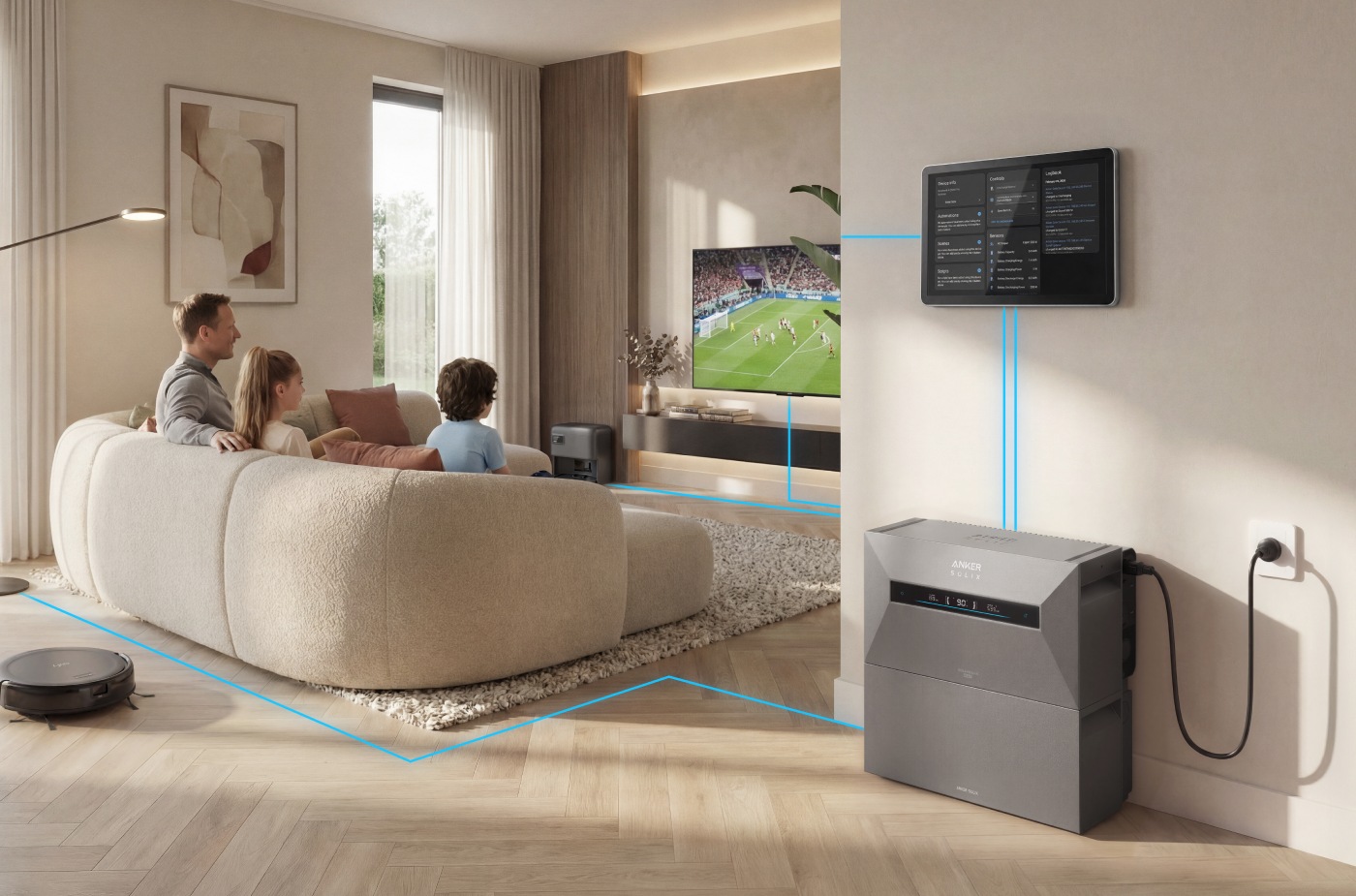
- Anker SOLIX X1 starts at 5 kWh with stackable LiFePO4 modules that scale to 180 kWh, adds automatic storm preparation, a 20-millisecond switchover, IP66 weatherproofing, and a 10-year warranty.
- BLUETTI EP800 uses a modular 9.92 kWh base expandable to ~40 kWh and 7.6 kW of output, and can stockpile off-peak grid power for time-of-use savings without requiring rooftop solar.
- EcoFlow DELTA Pro Ultra pairs a 7.2 kW 120/240V inverter with stackable 6.144 kWh LFP batteries (up to ~30 kWh per stack) and accepts 4 kW of solar PV input, retaining 80% capacity after 3,500 cycles (~10 years).
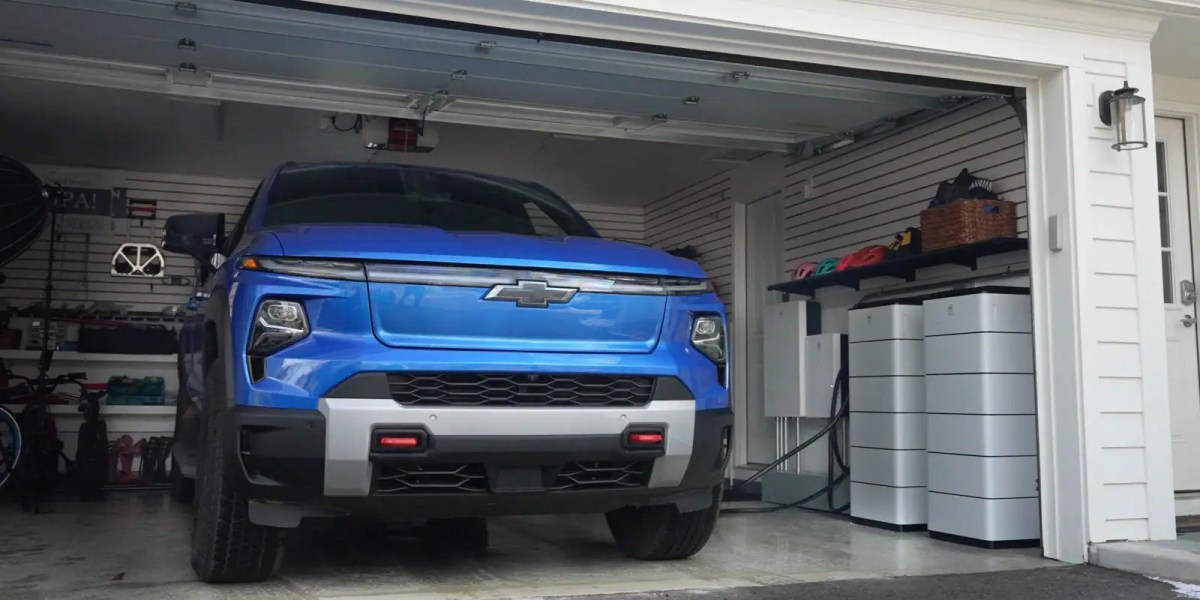
- GM Energy Home System is positioned as the most fully integrated EV-plus-battery-plus-solar option, using the GM EV's stored energy to extend backup; the 10.6 kWh Home System lists from $11,897 on GM Energy's website, installed by Qmerit.
- Sigenergy V2X now enables vehicle-to-home charging for Tesla Model 3 and Model Y owners — vehicles that, unlike the slow-selling Cybertruck, had previously lacked bidirectional support — and also works with VW/Audi/Porsche and Mercedes-Benz models.
- Villara VillaGrid+ uses lithium-titanium-oxide (LTO) chemistry, scored highest on EnergySage's Equipment Rating System, and carries a 20-year warranty — double Tesla's 10-year standard — at roughly twice the per-kWh cost of a Powerwall.
Why it matters: Homeowners weighing alternatives now have credible options that beat the Powerwall on specific axes: Anker scales to 180 kWh, BLUETTI enables off-peak grid arbitrage without solar, Sigenergy unlocks V2H for non-Cybertruck Teslas, and Villara offers a 20-year warranty — giving buyers real leverage on price and features in a category Tesla previously dominated.
Ask SkimNews