Moon and Mars Plans Need Public Debate, ANU Philosopher Says — SkimNews

Get the Health newsletter
Daily health & science — research, biotech, public health, the studies worth knowing. Free.
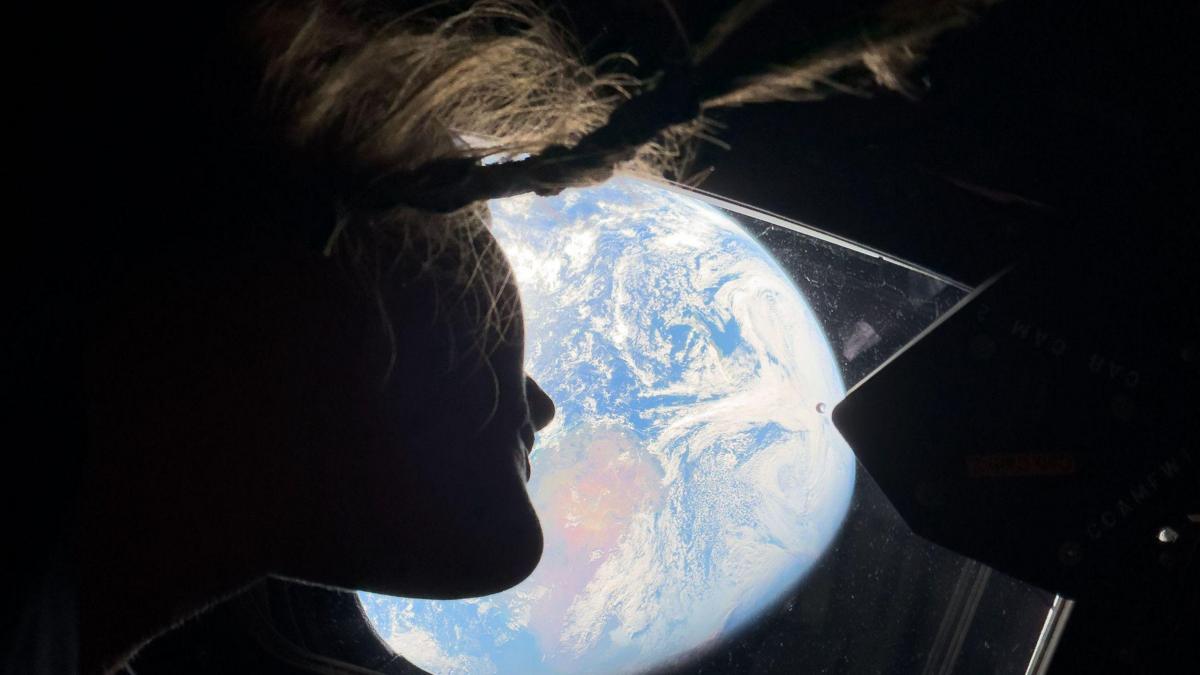
- Artemis II splashed down this month with four astronauts who traveled farther from Earth than any humans in history, serving as a rehearsal for Artemis III's planned return of humans to the lunar surface for the first time in over half a century.
- NASA and international partners are advancing the Artemis Accords and missions, while companies led by Elon Musk and Jeff Bezos are investing heavily in the technologies that will enable large-scale activity beyond Earth.
- Bramble argues scientific goals — such as a radio telescope on the lunar far side shielded from Earth's electromagnetic interference — do not require a permanent industrial presence, mining operations, or a race for strategic advantage.
- Bramble contends there is no realistic prospect of a self-sustaining human settlement on Mars in any timeframe that would make it a meaningful backup for Earth, calling the multi-planetary idea "more fantasy than plan."
- Ben Bramble is a lecturer in philosophy at the Australian National University's Fenner School of Environment and Society and a mission specialist at ANU's Institute for Space; his book "Lunacy: Ten False Promises of the New Space Age" is scheduled for publication on 14 July.
Why it matters: Bramble's argument lands as Artemis III prepares to return humans to the moon: that the shift from exploration to industrialization deserves public deliberation, not spectacle. He also notes every hour spent on off-Earth infrastructure is an hour not spent addressing the crises threatening the only habitable world we know we have.
Ask SkimNews