445 GW — mainly solar, storage — to come online by 2030 as demand growth surges: ICF — SkimNews
Get the Energy newsletter
Daily energy & climate — solar, EVs, oil, the policy fights and tech bets shaping the transition. Free.
- ICF projects approximately 445 GW of nameplate capacity will come online in the U.S. from 2026 through 2030, but only about 191 GW will contribute to meeting peak load given the characteristics of different technologies.
- U.S. electricity demand will grow 21% by 2030 and 39% by 2035 from 2026 levels, with peak demand rising 14% and 25% respectively, per ICF's report "Electricity Demand Growth: How Will the Grid Keep Pace?"
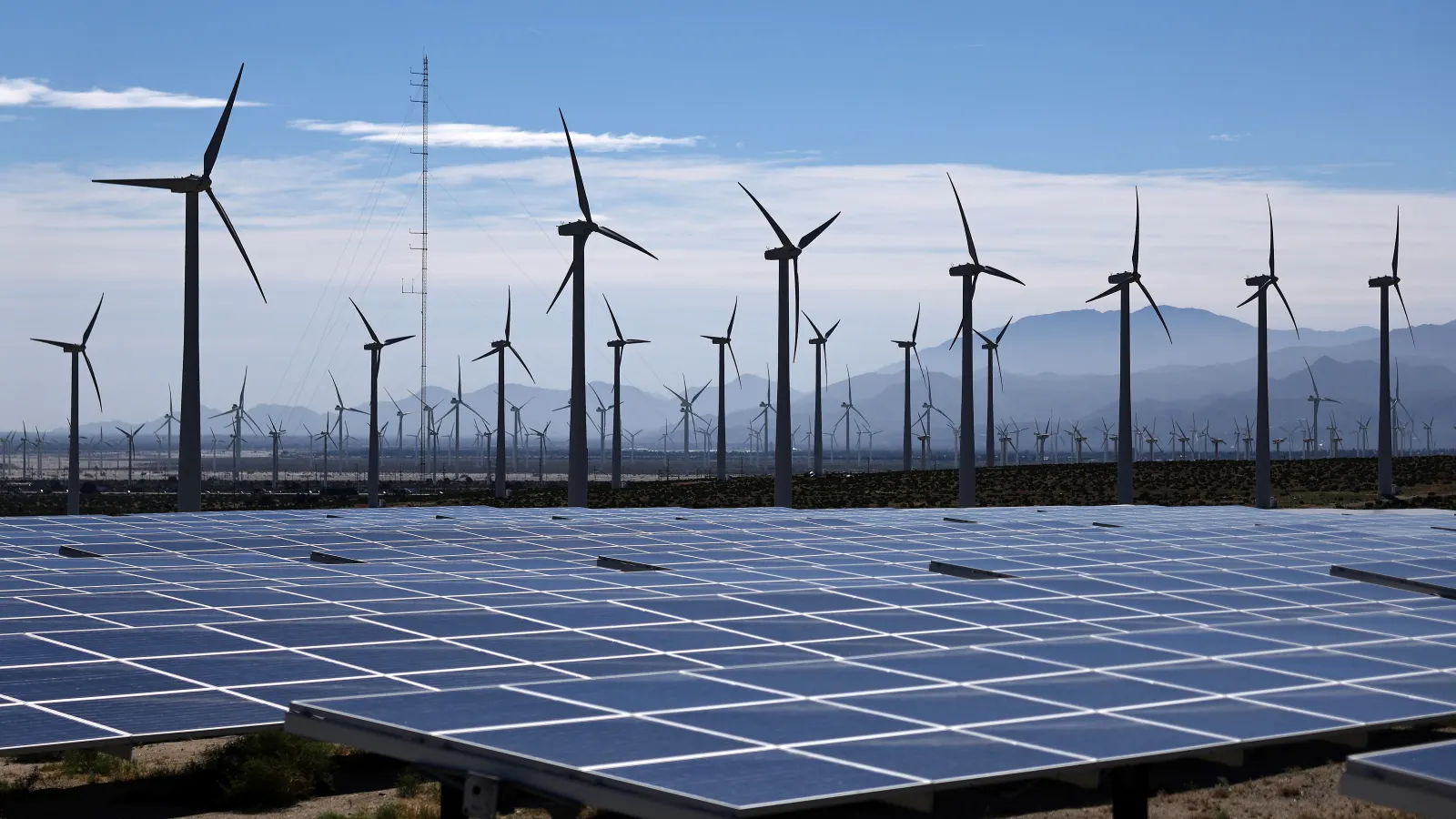
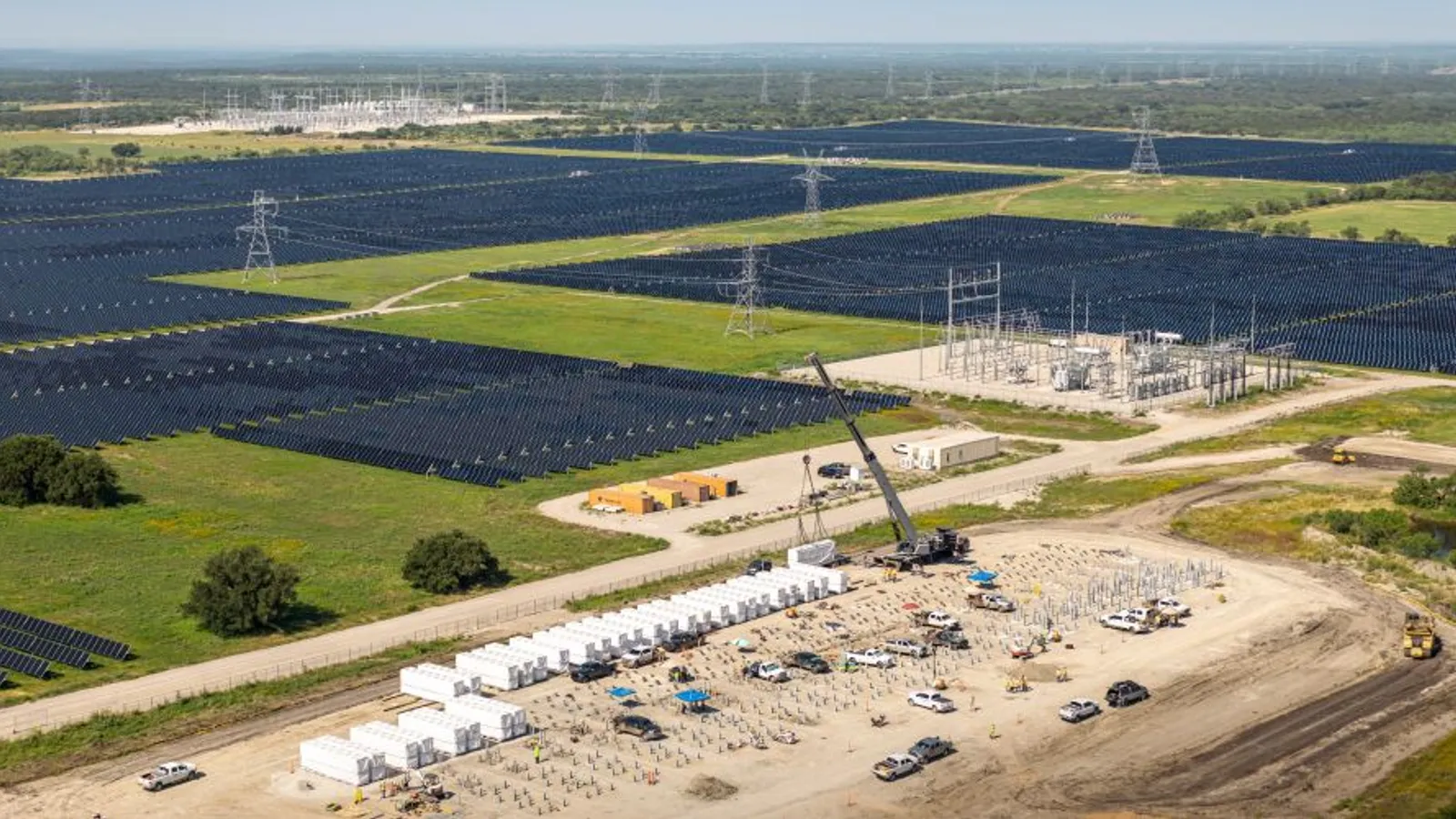
- Capacity additions by 2030 will include 177 GW of solar, 120 GW of battery storage, 77 GW of front-of-the-meter gas-fired generation, and 62 GW of onshore wind, ICF expects.
- PJM Interconnection has no spare capacity to support demand growth beyond next year, and demand there is projected to jump 43% from 2026 levels by 2035—compared to just 14% growth in the New York Independent System Operator's footprint.
- The Electric Reliability Council of Texas also lacks spare capacity beyond next year, while the Southeast and New York regions could face similar limits within a few years, according to ICF analysts.
- ICF analysts expect 68 GW of generation to come online this year, 76 GW in 2027, and approximately 100 GW annually in the three years following.
- Some new large-load interconnections are already being delayed until enough infrastructure can come online to serve them reliably, ICF said, with demand-side management and grid-enhancing technologies cited as key tools for near-term tightness.
Why it matters: The capacity pipeline is heavily tilted toward solar and batteries (297 GW combined), whose intermittent output delivers far less firm power than nameplate suggests—ICF puts the peak-load contribution at just 191 GW out of 445 GW. PJM and ERCOT have zero spare capacity beyond next year and PJM demand alone will jump 43% by 2035, meaning large-load interconnection delays and reliability shortfalls are already occurring in high-growth regions.
Ask SkimNews