Nissan's third generation e-POWER powertrain — SkimNews
Get the Energy newsletter
Daily energy & climate — solar, EVs, oil, the policy fights and tech bets shaping the transition. Free.
- Nissan designed the third-gen e-POWER around a purpose-built engine optimized for power generation independent of driving conditions, improving fuel economy over previous e-POWER applications.
- The new "5-in-1" electric unit integrates the motor, reducer, inverter, increaser, and generator into one module, using flat wire coils and a double-sided cooled inverter to boost electrical flow and reduce energy loss.
- Some 5-in-1 units use silicon carbide (SiC) power semiconductors in the inverter, which Nissan says reduce power loss versus conventional silicon and improve fuel efficiency.
- Improved rigidity from powertrain integration avoided resonance interference between the vehicle body and the e-POWER system, suppressing vibration and enhancing cabin quietness.
- The third-gen system shares components with Nissan's 3-in-1 EV powertrain, reducing the number of parts and production investment while leveraging shared expertise to develop further electrified powertrains.
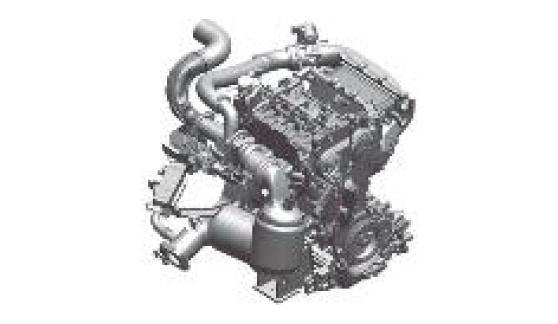
- Purpose-built e-POWER engines run at constant RPM via a long-stroke design that generates strong in-cylinder tumble flow, enabling stable combustion at high compression ratios and high EGR rates that a typical variable-RPM engine cannot sustain.
- The ZR15DDTe engine pairs Nissan's STARC combustion concept — first announced in 2021 — with a large turbocharger to boost output and thermal efficiency.
Why it matters: By sharing components between its third-gen e-POWER and its 3-in-1 EV powertrain, Nissan cuts parts count and production investment while improving fuel economy — letting the company leverage EV and hybrid expertise to develop further electrified powertrains more efficiently.
Ask SkimNews