Nissan recalls 171 new LEAF EVs in Japan over battery fire risk — SkimNews
Get the Energy newsletter
Daily energy & climate — solar, EVs, oil, the policy fights and tech bets shaping the transition. Free.
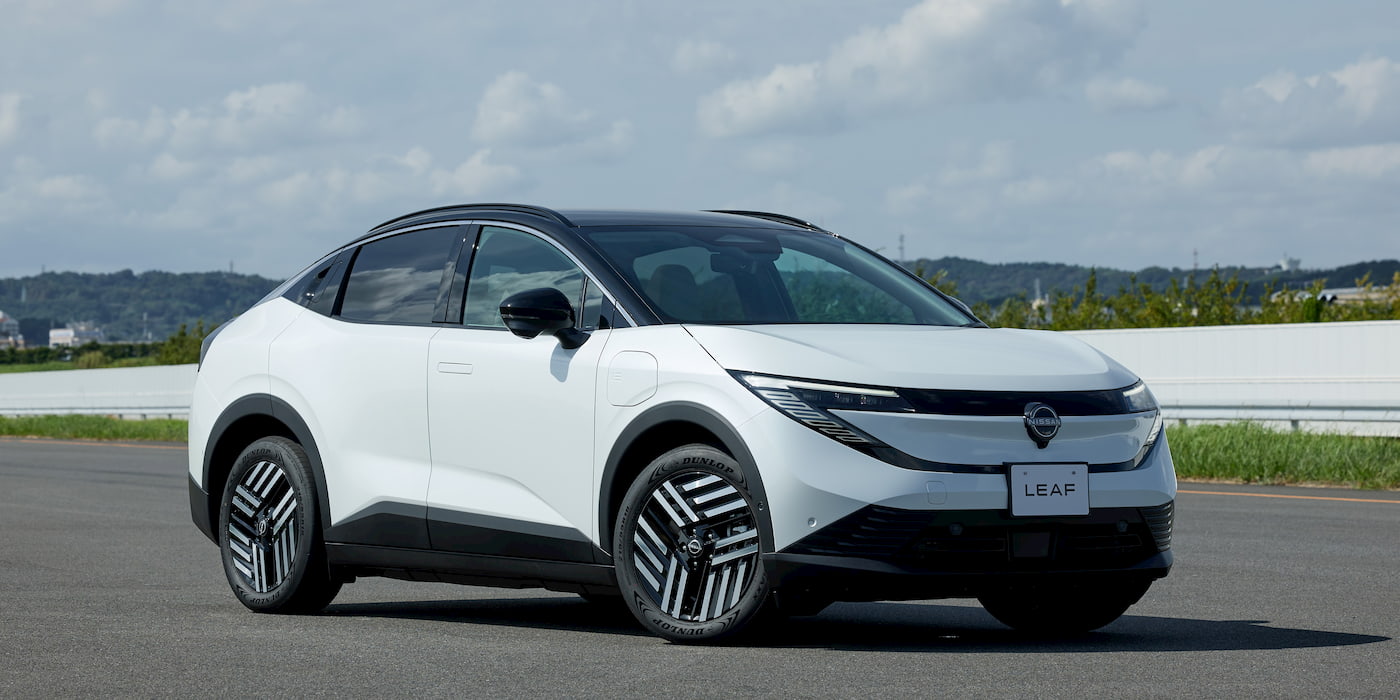
- Nissan recalled 171 new LEAF EVs in Japan on March 27 due to improperly manufactured electrode plates in battery cells, calling it a "preventative measure"
- The defect could cause fragments to adhere to battery modules, and repeated charging may lead to short-circuiting, overheating, or fire
- One fire has been reported involving a B7 LEAF with a 78 kWh battery owned by a Nissan dealer, though investigators have not confirmed the battery as the cause
- Nissan will replace affected battery packs or modules and hold vehicles until replacement parts are available
- The recall covers LEAFs produced between December 1, 2025 and March 7, 2026 — just months after the model's October 2025 Japan launch and January 2026 delivery start
- In the US, no recalls have been filed with the NHTSA for the 2026 LEAF, which starts at $29,990 with 259-303 miles of range from a 75 kWh battery
Why it matters: The timing stings for Nissan: the LEAF is central to its comeback strategy, yet the relaunch is already anchored by a battery fire risk in 171 vehicles produced over a roughly three-month window. While the company frames it as preventative, a prior generation (19,000+ 2021-2022 units) was recalled for a similar defect last October, raising questions about supplier quality control for the new model's cells.
Ask SkimNews