Trump pivots to Section 301 tariffs after Supreme Court loss — SkimNews

Get the Geopolitics newsletter
Daily geopolitics — wars, elections, sanctions, the diplomatic moves that move markets. Free.
- The Supreme Court struck down Trump's sweeping emergency tariffs in February 2026, and a federal court knocked down his interim replacement tariffs on May 7 — prompting Trump to tell reporters: "We always do it a different way."
- Trump is now turning to Section 301 of the 1971 US Trade Act, which imposes no cap on tariff amounts, lets him discriminate among countries, and avoids the Constitution's taxation clause that was central to the Supreme Court's February ruling.
- The administration has opened two Section 301 probes — one targeting alleged "excess industrial capacity" in several countries and another on forced-labor trade — paving the way for fresh tariffs later this year against China and other major partners.
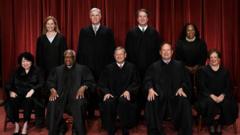
- Trump has reserved particular fury for Justices Amy Coney Barrett and Neil Gorsuch, whose votes swung the February decision, calling them "fools" and "lapdogs" who lacked "the courage to do what's right for our country."
- The Section 301 path still faces a legal gauntlet starting at the Court of International Trade — which already nixed the interim tariffs — then the Federal Circuit, and potentially the Supreme Court again.
- The economic logic is weak: the 2025 tariffs didn't balance trade at all, with the US goods deficit actually increasing that year, and the EU already blocks forced-labor imports more effectively than the US, undermining the case for singling out trading partners.
Why it matters: If the Section 301 probes survive challenge, average US tariffs could climb back to April 2025's Liberation Day highs — and the new levies would carry extra leverage because they can be imposed country-by-country against any partner Trump deems unfair, potentially dragging in allies like the EU that are already stricter on forced labor than the US is.
Ask SkimNews