Nagasaki mayor: nuclear deterrence is 'absolute evil' — SkimNews

Get the Geopolitics newsletter
Daily geopolitics — wars, elections, sanctions, the diplomatic moves that move markets. Free.
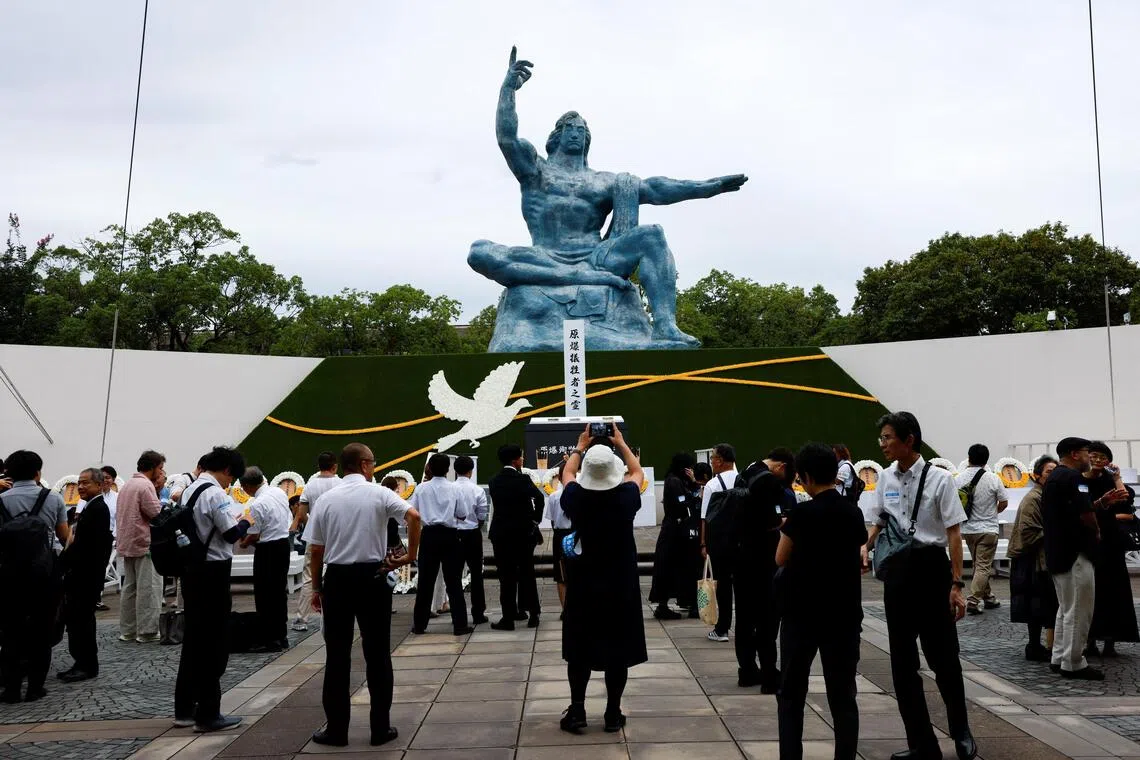
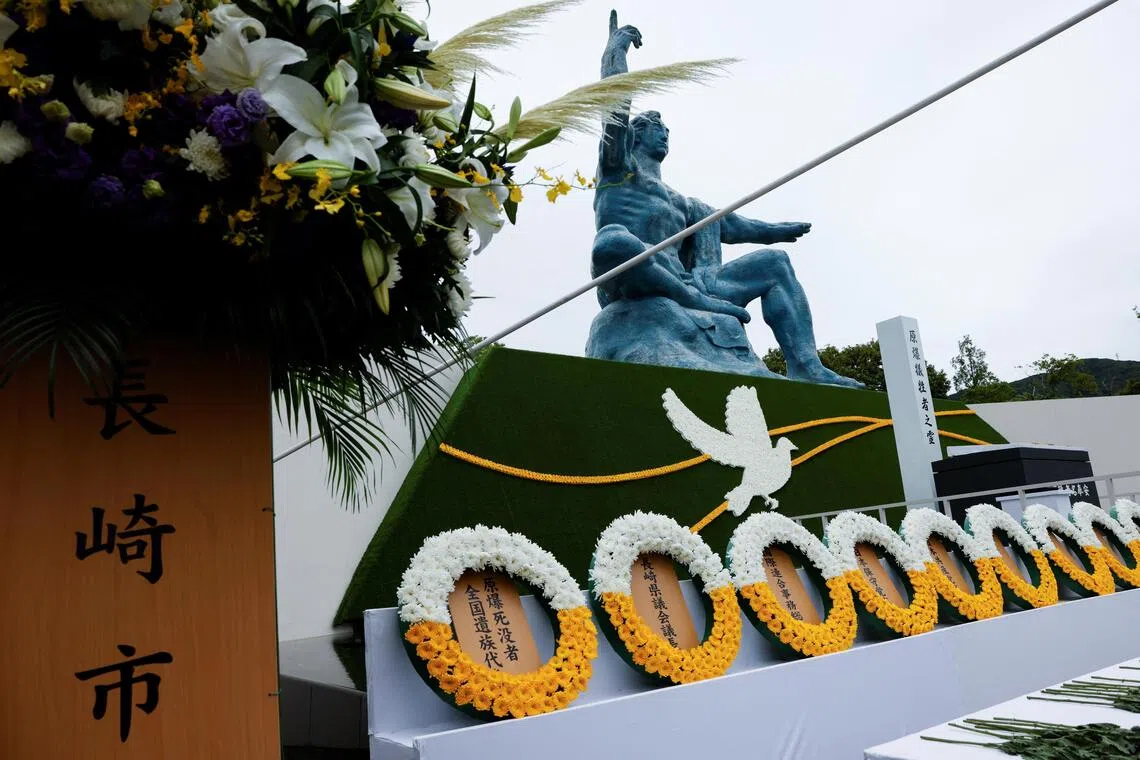
- Mayor Shiro Suzuki told the Nagasaki Peace Park ceremony on August 9, 2026 that 'nuclear weapons are not a necessary evil but an absolute evil,' directly warning leaders of nuclear-armed and nuclear-reliant states that reliance on deterrence increases the risk of nuclear war
- PM Sanae Takaichi attended the ceremony but remained ambiguous on Japan's three non-nuclear principles, reiterating only that Japan 'currently maintains' the policy — a stance Suzuki and survivors have criticized as insincere
- Takaichi's government is simultaneously revising Japan's defense policy to bolster offensive military capability, and speculation persists that she may allow nuclear weapons to be brought into Japan, violating the third non-nuclear principle
- Takaichi did not mention the Treaty on the Prohibition of Nuclear Weapons in her speech, telling reporters Japan will instead work within the Nuclear Non-Proliferation Treaty and base its approach on national security priorities
- Representatives from more than 90 countries attended the ceremony, observing a moment of silence at 11:02 a.m. — the exact moment a B-29 dropped the 'Fat Man' plutonium bomb, killing 70,000 by year's end in 1945
- The recognized survivor (hibakusha) population has fallen to 91,105, roughly a quarter of the original count, with an average age exceeding 86, and growing protests in both Hiroshima and Nagasaki over the government's stance on deterrence
Why it matters: The anniversary landed at a moment of direct tension between a city that demands disarmament and a prime minister who champions nuclear 'dissuasion' — Takaichi's refusal to reaffirm the non-nuclear principles, combined with her government's military buildup, gives Japan's peace movement concrete policy targets to oppose as the hibakusha generation dwindles toward extinction.
Ask SkimNews