Nagasaki Warns Nuclear War Risk Rising 81 Years After A-Bomb — SkimNews
Get the Geopolitics newsletter
Daily geopolitics — wars, elections, sanctions, the diplomatic moves that move markets. Free.
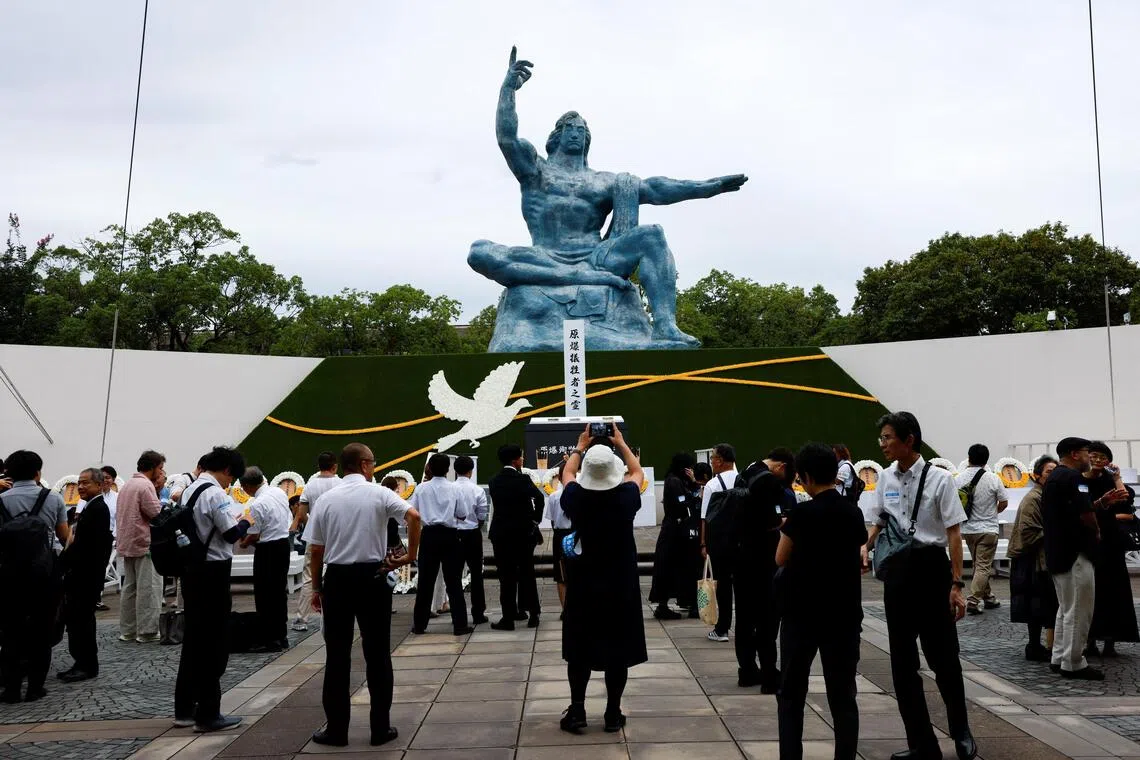
- Mayor Shiro Suzuki warned nuclear powers and nations relying on deterrence of increased nuclear war risk at Nagasaki's 81st anniversary memorial, calling nuclear weapons "an absolute evil" and labeling nuclear deterrence "extremely dangerous and fragile."
- Suzuki expressed concern over unpredictability in the Ukraine and Middle East conflicts, where nuclear states are involved, alongside the existence of more than 12,000 nuclear warheads globally.
- UN Secretary-General Antonio Guterres warned that "year by year, the risk of miscalculation, escalation and conflict keeps going up," calling the situation "unacceptable" and stressing that global security is "interdependent."
- The Nuclear Non-Proliferation Treaty review conference in May ended for the third consecutive time without consensus, with Suzuki noting nuclear modernization only "further fuels a vicious cycle of mutual distrust, confrontation and division."
- Prime Minister Sanae Takaichi reaffirmed Japan's three non-nuclear principles (not producing, possessing, or allowing nuclear weapons) and pledged "realistic and practical" efforts toward a nuclear-free world.
- Nagasaki officials called on the Japanese government to attend the Treaty on the Prohibition of Nuclear Weapons (TPNW) review conference scheduled for November 2026.
- Hibakusha survivors now average over 86 years old, making the direct passing of testimony to future generations what Suzuki described as "a critical moment."
Why it matters: The NPT has failed three consecutive review conferences to reach consensus while 12,000+ warheads still exist and the average hibakusha survivor is now over 86 — narrowing the window for first-hand disarmament testimony precisely as the Ukraine and Middle East conflicts involve nuclear-armed states.
Ask SkimNews