Japan Sends Largest Force to Balikatan Near Taiwan

SkimNews Take
The multinational Balikatan exercise demonstrates a coordinated regional effort to project deterrence, shifting the burden of maintaining stability from a single hegemon to a collective of concerned nations.
Get the Geopolitics newsletter
Daily geopolitics — wars, elections, sanctions, the diplomatic moves that move markets. Free.
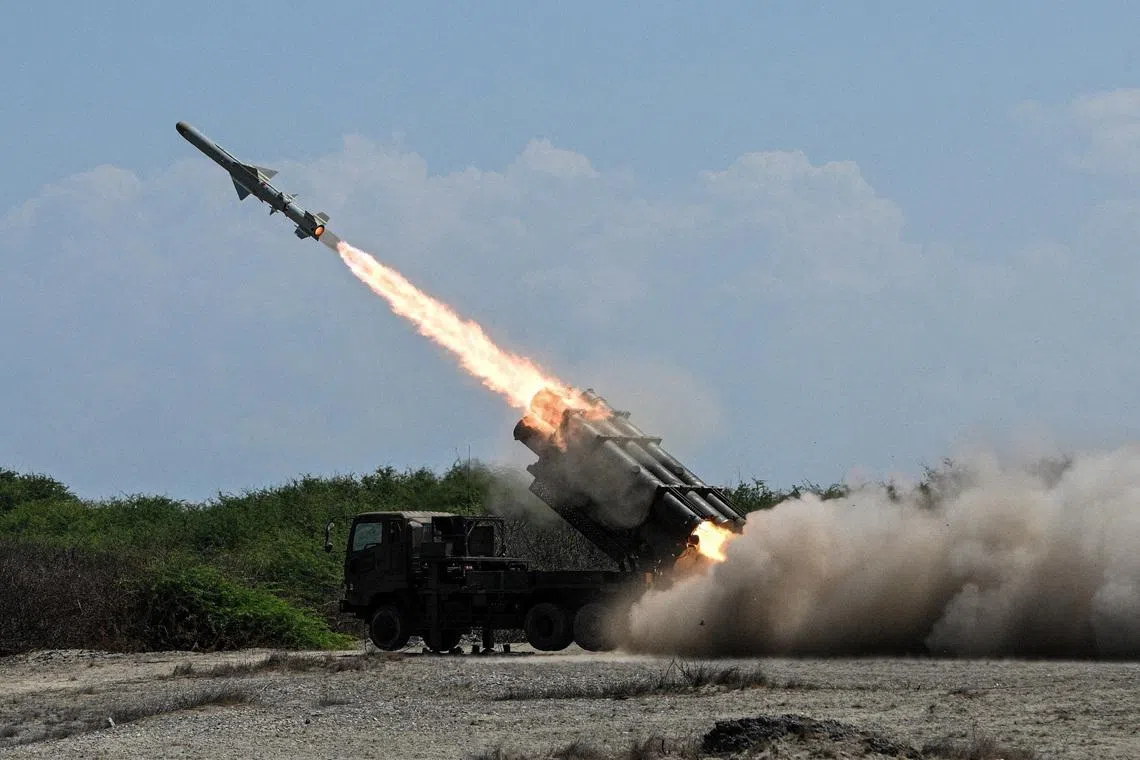
- Balikatan exercise in the Philippines includes troops from the Philippines, United States, Japan, Australia, New Zealand, Canada, and France, conducting real combat training.
- Luzon Strait and the South China Sea are part of the training area, a corridor the People’s Liberation Army would need to traverse in any move against Taiwan.
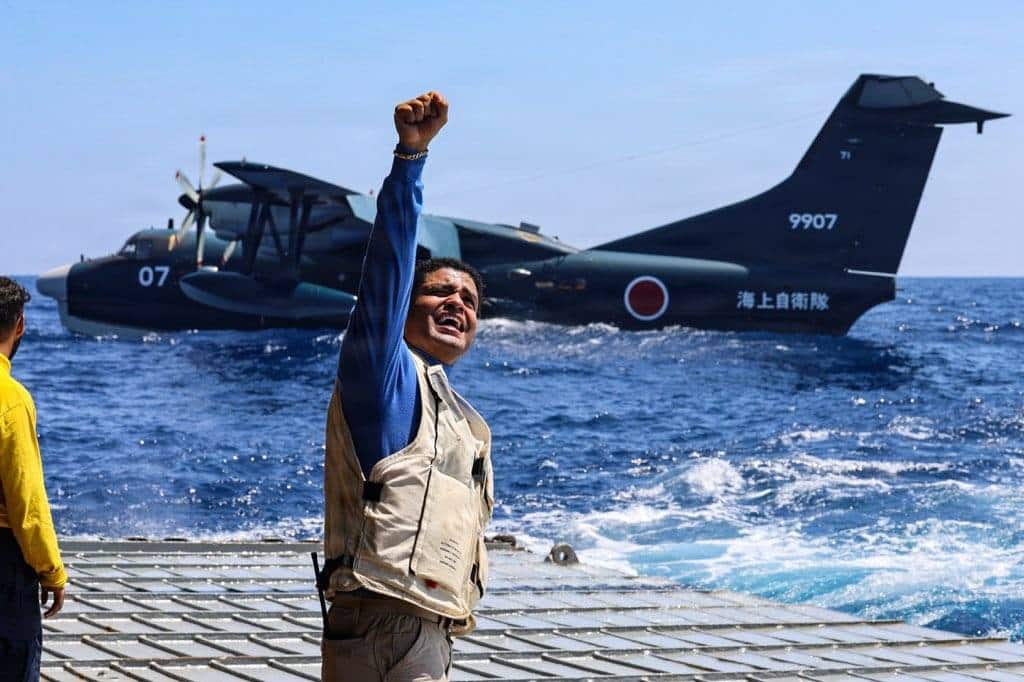
- Japan’s Self‑Defense Force sent a large contingent to the Balikatan exercises, its first major participation in the joint drill.
- JSDF’s amphibious force was launched in late 2011 by a small US‑Japan officer team to give Japan amphibious capability and to force inter‑service cooperation among its ground, naval, and air branches.
- Balikatan joint drills boost confidence and political ties, helping to balance defence relationships and reduce the sense of dependency that once characterized the US‑Japan alliance.
Why it matters: The Philippines and its allies gain realistic joint combat experience in a theater that is a potential flashpoint with China, while Japan reduces its reliance on the US, strengthening a more balanced regional deterrence.
Ask SkimNews