MIT Robot Flies and Swims with Same Wings — SkimNews
Get the Tech newsletter
Daily tech — startups, AI labs, chips, the launches that shape the next decade. Free.
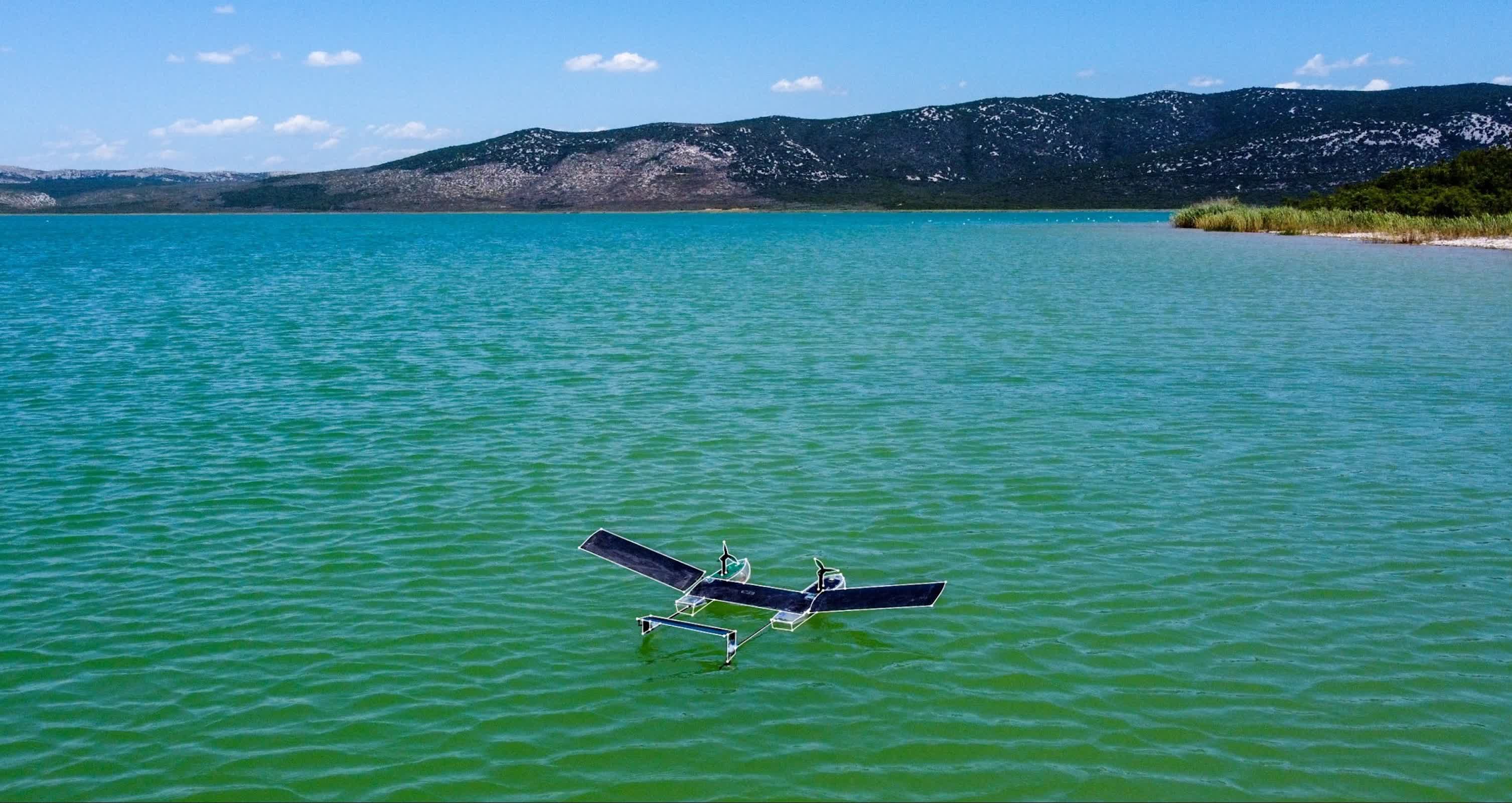
- MIT developed a 250-gram robot that uses flapping wings to both fly in the air and swim underwater, enabling dual-mode locomotion without separate propulsion systems
- MIT researchers designed the robot to transition smoothly between air and water by mimicking the flight mechanics of diving birds, using the same wings for both environments
- The robot weighs 250 grams and relies on a compact propulsion system that functions across both mediums, a technical challenge due to differing fluid dynamics
- NPR described the robot as a new kind of machine capable of both swimming the seas and soaring the skies, highlighting its bio-inspired design
- TechSpot noted the robot’s ability to fly and then dive underwater using identical wings, emphasizing its innovative mechanical efficiency
Why it matters: This robot reduces the need for separate aerial and aquatic propulsion systems, which could lower weight and complexity for future search-and-rescue or environmental monitoring drones. The 250-gram design proves dual-medium travel is possible with minimal hardware, advancing bio-inspired robotics engineering.
Ask SkimNews