Fiber Controls Whether Gut Worms Fight Inflammation — SkimNews
Get the Health newsletter
Daily health & science — research, biotech, public health, the studies worth knowing. Free.
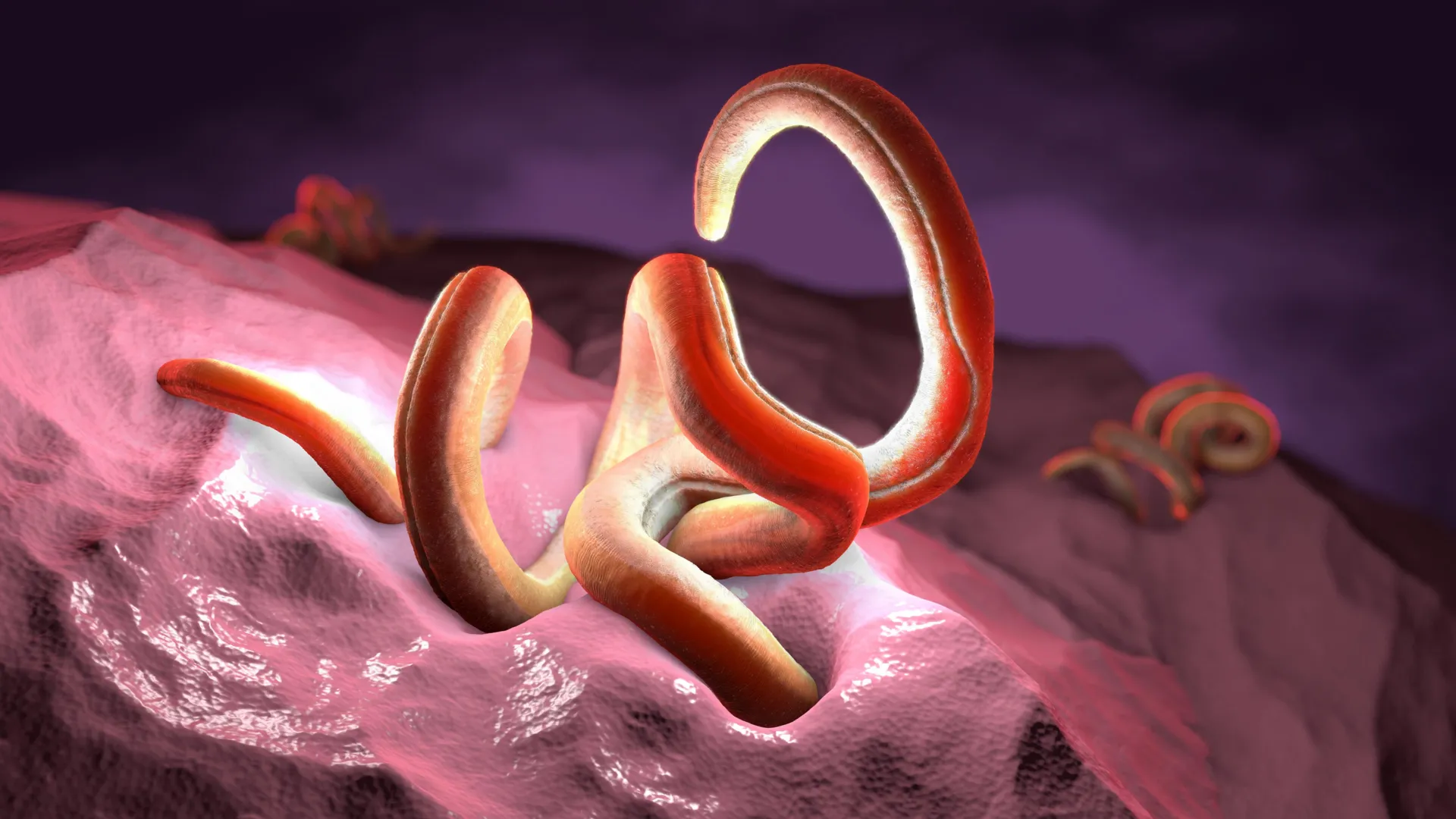
- Biology Centre CAS researchers published in Nature Communications (2026) that the rat tapeworm Hymenolepis diminuta requires dietary fiber to maintain its anti-inflammatory effect in the host gut; without it, the worm enters a hibernation-like energy-saving state.
- Kateřina Jirků of the Institute of Parasitology said worms on high-fiber diets were "in excellent condition" and induced anti-inflammatory responses, while those on low-fiber diets were "several times smaller," never reached sexual maturity, and failed to produce eggs, with widespread gene-expression shifts in development and metabolism.
- The study links these worm-level effects to the broader microbiome: fiber-rich diets encouraged bacteria associated with a healthy gut, whereas Western-style diets reduced microbial diversity and let dysbiosis-linked bacteria flourish.
- Researchers say the findings help explain the inconsistent results of helminth therapy — the roughly two-decade-old approach of using intestinal worms to treat autoimmune and inflammatory conditions — by identifying host diet as the missing variable.
- The fiber gap underscores why therapy varies: most Western adults consume below the 25-30 grams per day recommended by health organizations, compared with an estimated 80-120 grams daily in traditional populations.
Why it matters: For clinicians and researchers running trials of helminth therapy for autoimmune and inflammatory bowel disease, diet now appears to be a controllable variable that may determine whether the treatment works. Ordinary readers face a simpler calculus: the same fiber deficiency already linked to allergies, depression, and Alzheimer's risk is also sabotaging a possible pathway to gut-immune balance via the microbiome's relationship with parasites.
Ask SkimNews