'Green Glacier' of Trees Threatens Great Plains — SkimNews
Get the Energy newsletter
Daily energy & climate — solar, EVs, oil, the policy fights and tech bets shaping the transition. Free.
- Texas A&M Agrilife estimates woody encroachment across 10 Great Plains states represents $4 billion in lost range production.
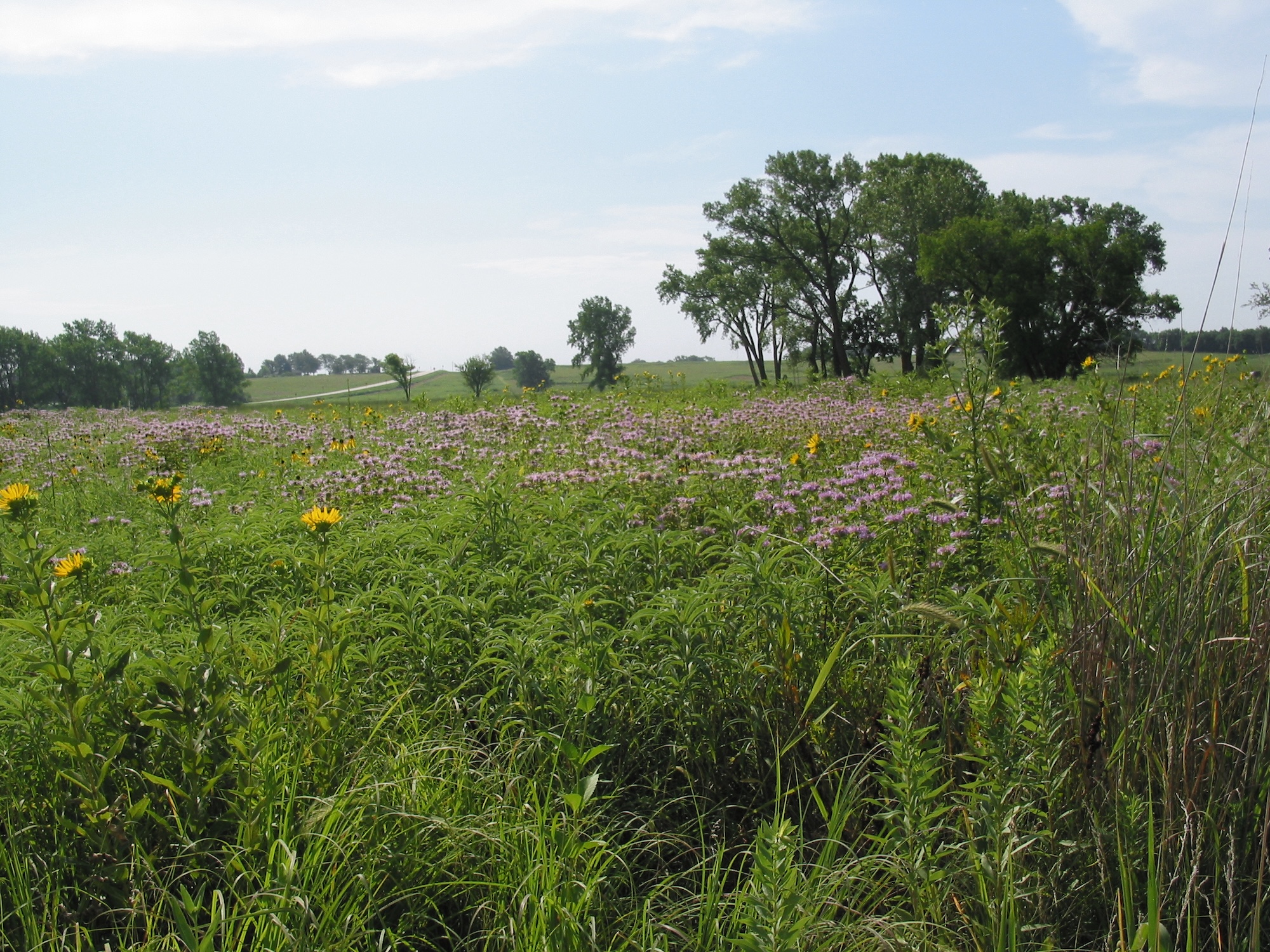
- Brian Obermeyer of The Nature Conservancy says only 4% of tallgrass prairie remains — the most altered landscape in North America by acres lost.
- Shelly Kelly's Sandhills Task Force helps ranchers cover up to 75% of cedar removal costs through grants and fundraising; eastern red cedar seedlings grow 1-2 feet per year and disperse seeds within a 200-foot radius once they reach 5 feet tall.
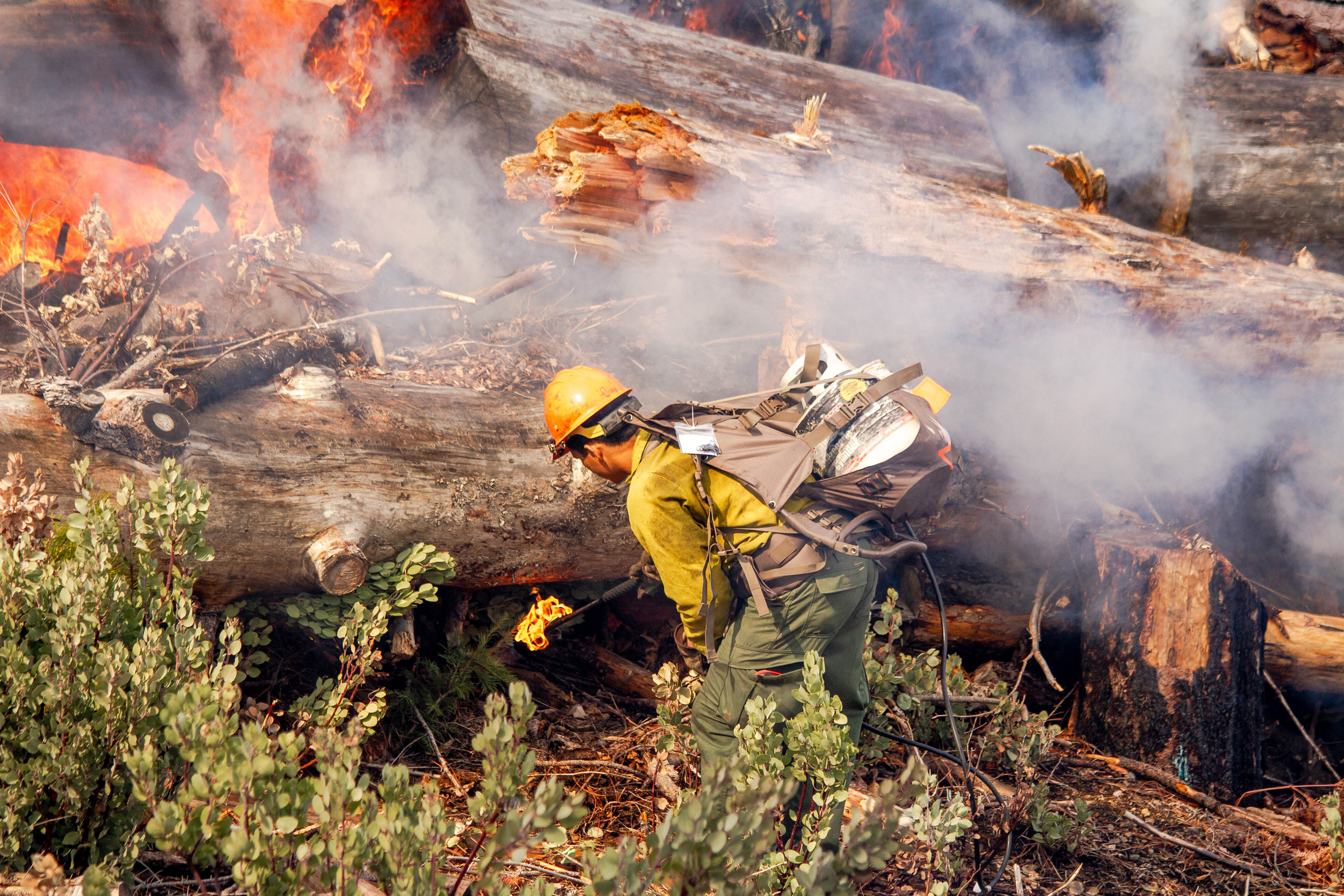
- Fire suppression allowed woody plants to seed, spread, and develop thick bark; the Flint Hills and Osage Hills retain their prairies thanks to a prescribed-burn tradition dating to at least 1915, when a rancher's contract stipulated regular burning.
- Grasslands may be a more secure carbon sink than forests, Obermeyer said: grasses store carbon in deep underground root systems, while woody plants store it in trunks and leaves that release it on burn.
- Climate change gives woody plants an edge — trees use a different photosynthetic pathway than grasses, making them more efficient in warm, dry, carbon-rich air, according to Chris Helzer of The Nature Conservancy.
- Nebraska's tree-planting culture dates to the Homestead Act of 1862 and the Kinkaid Act of 1904; the state's former nickname was the 'Tree Planter State,' and ranchers now plant heartier red cedar saplings for windbreaks that then spread across the prairie.
Why it matters: The tree takeover costs ranchers $4 billion in lost range production across 10 Great Plains states, while only 4% of tallgrass prairie remains continent-wide. It also scrambles the carbon math: grasslands store carbon in fire-resistant underground roots, while trees release their above-ground carbon when burned.
Ask SkimNews