Israel Kills 11 in Lebanon Strikes; Iran Rejects U.S. Hormuz Claim — SkimNews

SkimNews Take
The "deadliest since June's truce" framing signals the ceasefire is functionally eroding even as Iran contests U.S. control of the Strait of Hormuz on a separate axis — pressure on Israel and Washington is compounding in parallel rather than easing.
Get the Geopolitics newsletter
Daily geopolitics — wars, elections, sanctions, the diplomatic moves that move markets. Free.
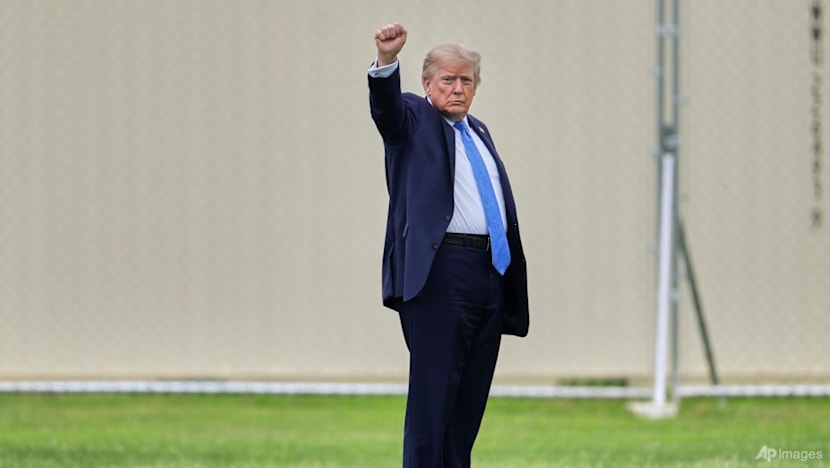
- Iran rejected President Trump's claim that the Strait of Hormuz is under U.S. control, declaring the energy waterway it has blockaded since the war's outset in late February "will remain Iranian"
- Trump has repeatedly insisted the strait is under U.S. control despite traffic remaining throttled since Tehran closed it at the start of the West Asia war in late February
- Iran demanded Qatar release three Iranian pilots whose aircraft went down early in the war; Qatar denied it was detaining them, though Iran had previously reported one pilot killed and others missing after a March sortie to Qatar without publicizing the alleged captures at the time
- Lebanon said Israeli strikes on its south killed 11 people including three children on August 15, 2026 — the deadliest raids since June deals eased Israel-Hezbollah hostilities
- Israel's military said the strikes were retaliation for a Hezbollah attack and targeted a commander it accused of using his family as "human shields"; Lebanese leaders condemned the raids
Why it matters: The Lebanon strike count of 11, including three children, marks the deadliest Israeli raid since the June Israel-Hezbollah truce, shattering that fragile calm and risking renewed cross-border escalation. Separately, Iran's insistence that it — not the U.S. — controls the Strait of Hormuz keeps a chokehold on a critical oil artery, sustaining elevated energy costs and contradicting Trump's repeated territorial claim.
Ask SkimNews