Iran rejects Trump's claim to declare Hormuz US territory — SkimNews

Get the Geopolitics newsletter
Daily geopolitics — wars, elections, sanctions, the diplomatic moves that move markets. Free.
- Iran's Deputy Foreign Minister Kazem Gharibabadi declared on August 15, 2026 that "The Strait of Hormuz has been Iranian, is Iranian, and will remain Iranian," asserting the waterway "will only be closed and opened under Iran's command" in response to Trump's territorial claim.
- Trump told a New York rally on August 14, 2026 that after defeating Iran "pretty soon I'll be declaring the Hormuz Strait a territory of the United States," though an unnamed White House official told the Wall Street Journal he was joking.
- Mohammad Bagher Zolghadr, a top Iranian official, laid out conditions for reopening the strait: ending "war and aggression against Iran and its allies in Lebanon, Palestine, Yemen, and Iraq," lifting sanctions, releasing frozen assets, and paying wartime compensation.
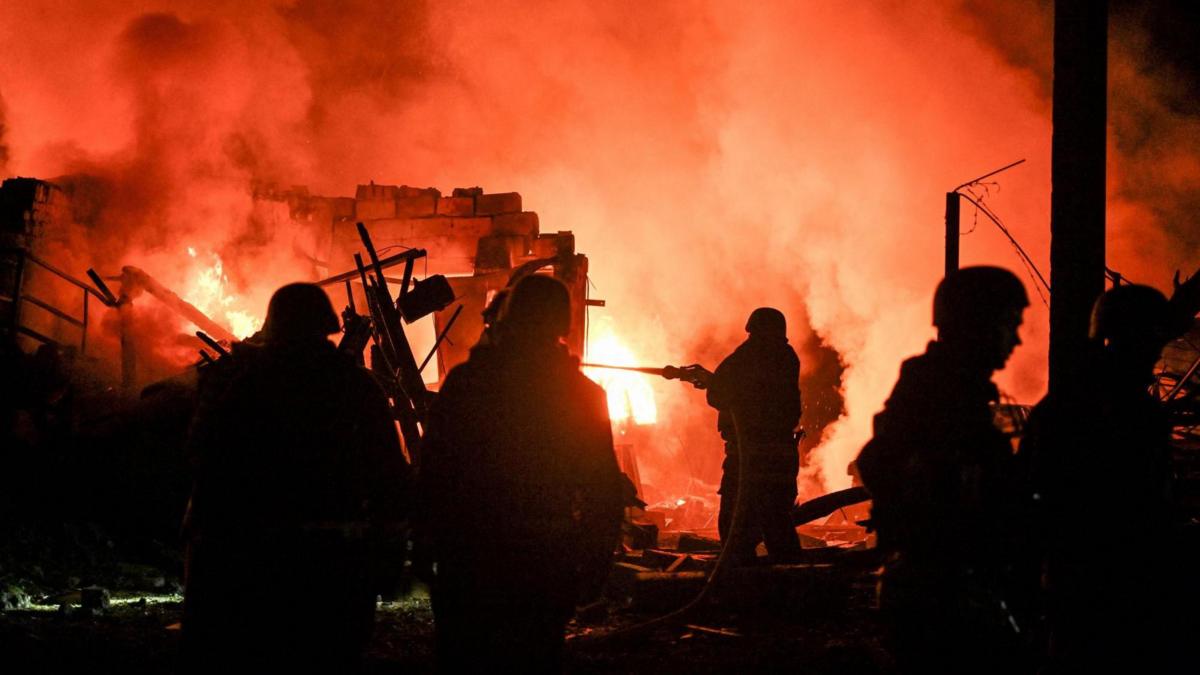
- UAE state oil giant ADNOC said one of its vessels came under attack on the night of August 14, 2026, with the UAE blaming Iran for attacks on two other ADNOC-linked vessels transiting the strait the same day — incidents the article links to the collapse of an April ceasefire.
- Iran's Houthi allies declared a parallel maritime blockade on Saudi ports in the Red Sea, choking Saudi Arabia's only other maritime export route alongside the Hormuz disruption.
- Vice President J.D. Vance said this week that keeping energy prices low for Americans was Washington's top priority in the Iran war, ranking ahead of preventing Tehran from acquiring a nuclear weapon.
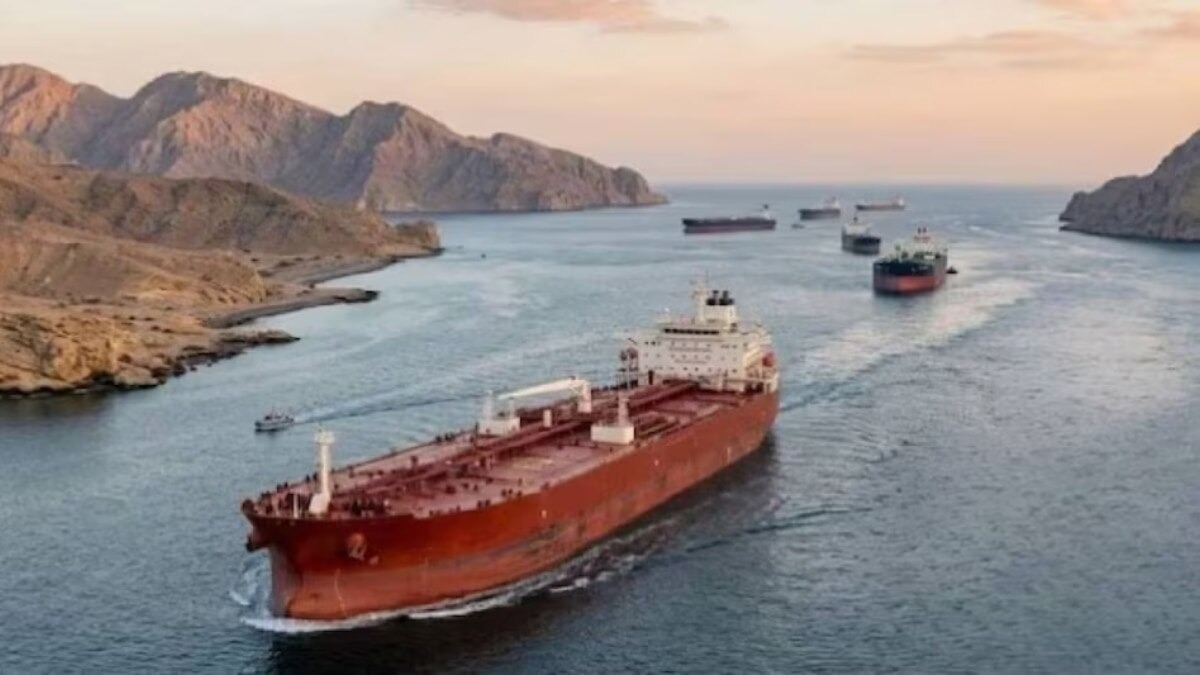
- Iran and Oman signaled last week they had agreed on a transit route for ships and were finalizing joint management arrangements, while the U.S. has imposed a retaliatory blockade of Iranian ports — Trump: "No ships get through unless we want them to."
Why it matters: The strait carried roughly a fifth of global oil and LNG exports before the war, and its ongoing closure has pushed prices higher for American voters ahead of November's midterms — a pressure Trump acknowledged by reportedly joking about his territorial claim. Vance's admission that energy prices now rank above nuclear non-proliferation reveals how the Hormuz standoff has reshaped U.S. wartime priorities, while Iran's conditions and the Houthi blockade on Saudi Red Sea ports show Tehran is widening, not narrowing, its leverage.
Ask SkimNews