Iran Reasserts Hormuz Control After Ship Hit Near Oman — SkimNews
Get the Geopolitics newsletter
Daily geopolitics — wars, elections, sanctions, the diplomatic moves that move markets. Free.
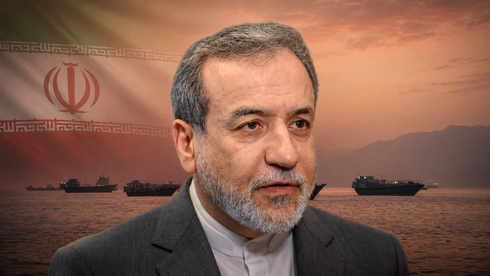
- Iran's Deputy Foreign Minister Kazem Gharibabadi declared on X that safe passage through the Strait of Hormuz 'cannot be guaranteed under ambiguous arrangements' that don't account for Iran's role as a coastal state, responding to a US-GCC joint statement that rejected tolls and 'attempts to assert control.'
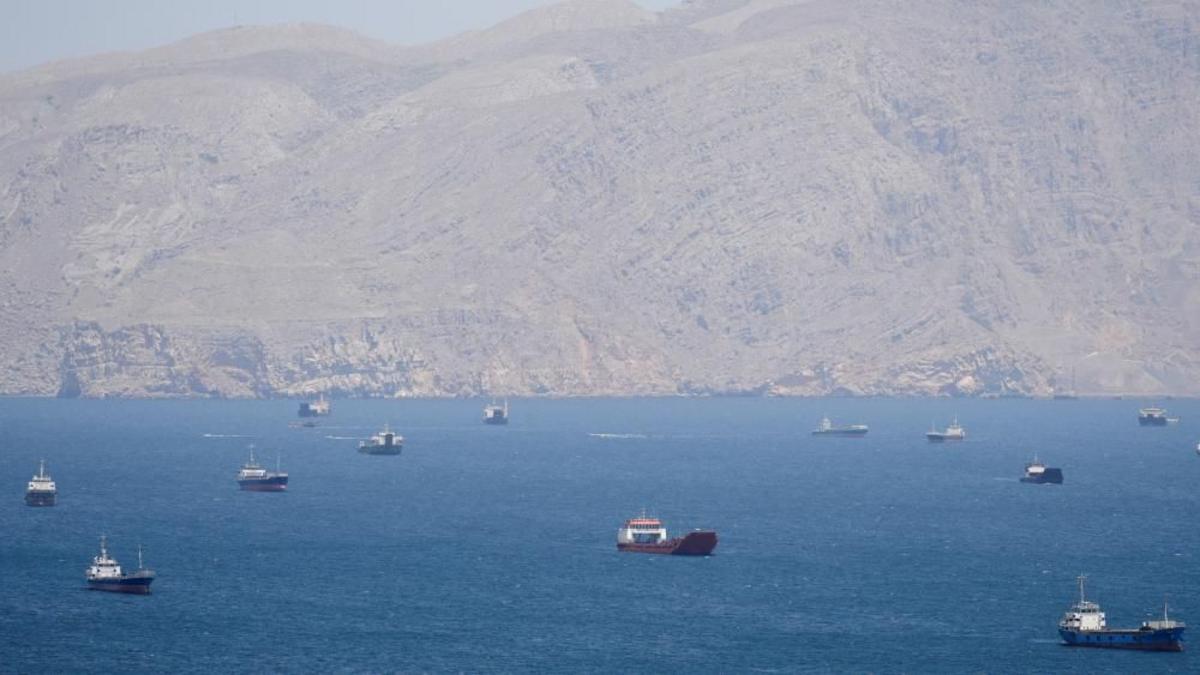
- Taiwan's Evergreen Marine said its Singapore-flagged ship Ever Lovely was hit by an 'unknown object' near Oman on Thursday while on a UKMTO-recommended route; two US officials told Reuters Iran fired on the vessel, though Iran's Persian Gulf Strait Authority blamed the use of unauthorised routes.
- Oil prices dipped further on Friday despite conflicting interpretations of the interim Iran-US deal and a slowdown in traffic through the strait, which typically handles a fifth of global oil and liquefied natural gas supplies.
- Saudi Aramco resumed crude loadings at its Ras Tanura terminal on Friday after a nearly four-month halt, with two VLCCs from shipping arm Bahri each loading 2 million barrels at the eastern Gulf port west of the strait.
- The International Maritime Organization temporarily paused its operation to escort ships through the strait after the Oman incident, and South Korean President Lee Jae Myung said three South Korean ships would exit over the weekend, with eight already departed.
- The interim ceasefire has set up 60 days of talks on Iran's nuclear programme, financial incentives, nuclear inspections, and Israel's parallel war in Lebanon — issues that remain unresolved alongside the strait dispute.
- US Secretary of State Marco Rubio, wrapping up a Gulf tour to reassure allies, told reporters that if Iran threatened or blocked ships, 'we're going to have a problem,' echoing Trump's earlier warning that the US would resume bombing if Iran failed to reopen the strait.
Why it matters: The strait carries roughly a fifth of global oil and LNG flows, and Iran's explicit warning that safe passage 'cannot be guaranteed' — paired with a ship already being struck and the IMO pausing escorts — puts immediate strain on the 60-day US-Iran framework. Saudi Arabia's reopening of Ras Tanura after a four-month halt, with VLCCs loading 2 million barrels each, gives Riyadh a direct opening to capture market share while Tehran's leverage over transit is contested by Washington and six Gulf states.
Ask SkimNews