Iran Claims Sole Hormuz Authority, Threatens US Talks — SkimNews
Get the Geopolitics newsletter
Daily geopolitics — wars, elections, sanctions, the diplomatic moves that move markets. Free.
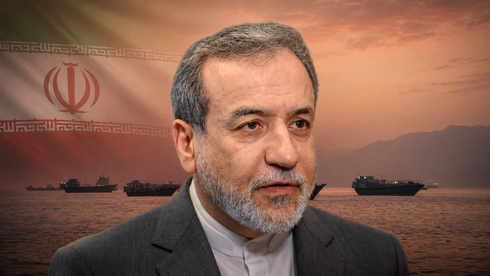
- Araghchi said during a Baghdad visit that Iran has the exclusive right to manage traffic through the Strait of Hormuz under the preliminary US-Iran arrangement, warning that any attempt to bypass Iranian authority would 'lead to further complications' and 'increase the level of tension.'
- Iran launched drone and missile attacks on Bahrain and Kuwait on Sunday following US strikes on military sites in southern Iran; Kuwait intercepted two ballistic missiles while Bahrain reported a residential building damaged near the international airport.
- US Central Command struck Iranian surveillance, communications, air defense, drone storage, and mine-laying facilities, citing 'continued Iranian aggression against commercial shipping,' after Iran attacked the Panama-flagged tanker Kiku — carrying crude oil for Qatar's state-run energy company — which appeared to be using the southern corridor near Oman.
- Trump warned the US could 'militarily finish the job,' writing that 'the Islamic Republic of Iran will no longer exist' if diplomacy fails, while Iran's IRGC countered that US bases would 'experience hell in the coming days.'
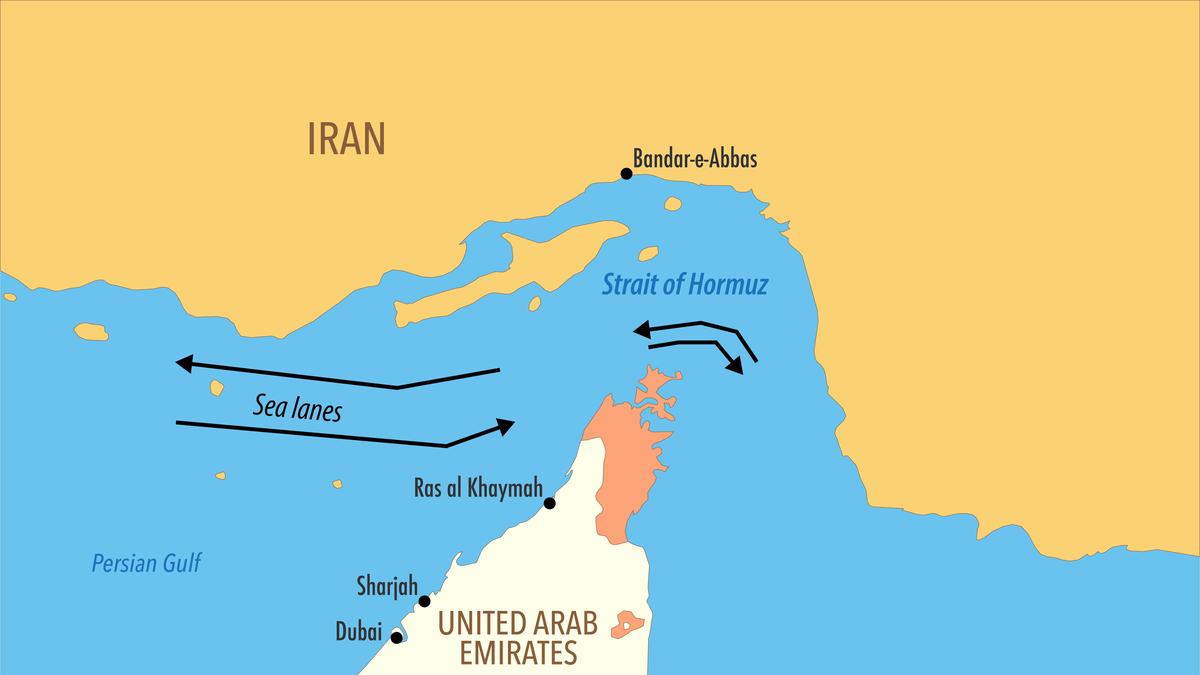
- Iran is pushing a northern shipping route under its control with fees for passage, while the US promotes a southern lane near Oman; hundreds of vessels, including oil tankers, remain trapped inside the Gulf since the war closed the waterway, which before the war carried about one-fifth of global oil and liquefied gas supplies.
- Araghchi called for a new regional security framework 'without the presence or interference of any country from outside the region' — effectively demanding US exclusion from Gulf security arrangements as part of any broader deal.
Why it matters: Hormuz is now the central obstacle to the 60-day US-Iran memorandum reached in Switzerland. With Iran claiming exclusive authority and the US insisting on free navigation, both sides are trading strikes on Bahrain and Kuwait — two Gulf states hosting major American military bases — putting one-fifth of global oil and LNG flows at continued risk while hundreds of trapped tankers cannot move.
Ask SkimNews