US Says Hormuz Open, Iran Says Closed — SkimNews

Get the Geopolitics newsletter
Daily geopolitics — wars, elections, sanctions, the diplomatic moves that move markets. Free.
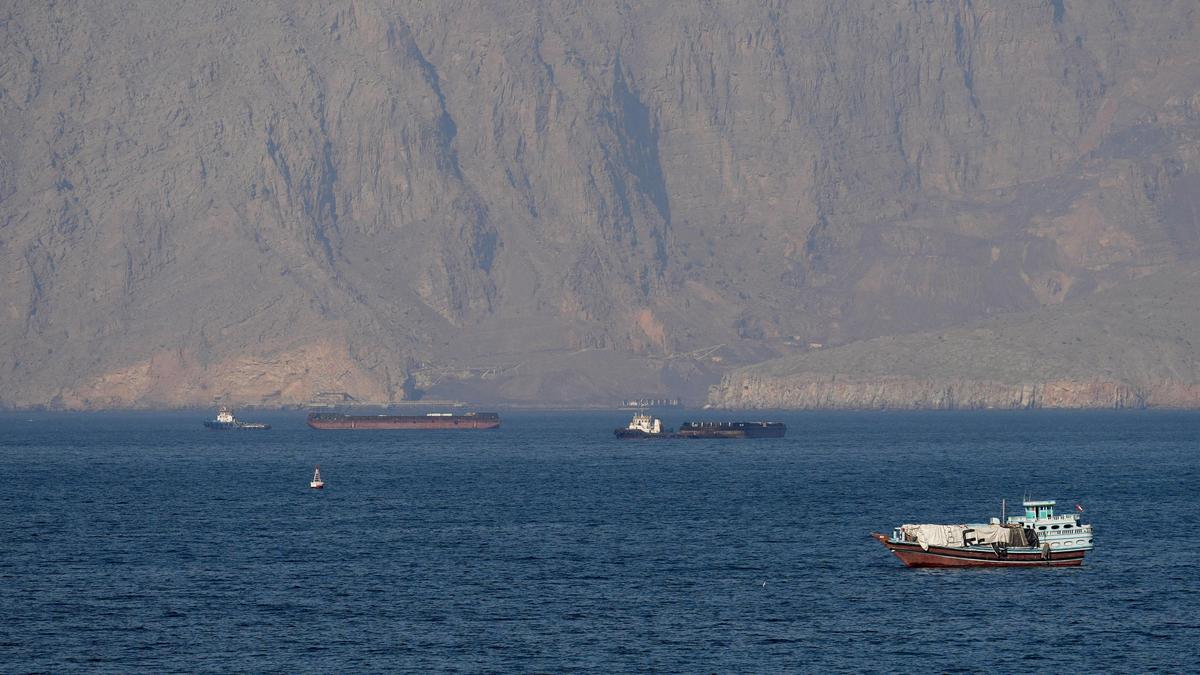
- Iran's Islamic Revolutionary Guard Corps declared the Strait of Hormuz closed on Saturday, citing Israeli strikes in Lebanon and alleged U.S. ceasefire violations, while the U.S. insists the waterway remains open to shipping.
- U.S. Central Command reported 55 merchant ships transited the strait on Saturday carrying more than 17 million barrels of oil, though maritime security expert Ian Ralby says the strait is not open in any "meaningful" way to the shipping industry.
- Ship traffic averaged 130-160 vessels daily through the strait before the Feb. 28 war, collapsed to roughly six ships per day during hostilities, briefly spiked to 25 after a ceasefire memorandum was signed, and has since dropped again after Iran's Saturday announcement.
- Trump posted on social media that no toll will be charged for passage during or after the 60-day ceasefire unless peace talks fail, even as U.S. and Iranian negotiators continued talks in Switzerland on Sunday.
- Shippers shared reports of warning shots fired in the strait via WhatsApp messages, and a maritime advisory flagged a sea mine in the southern corridor through Omani waters where the U.S. has been shepherding vessels.
- Former U.S. diplomat Alan Eyre, who helped negotiate the 2015 Iran nuclear deal, said the most urgent priority is reopening the strait and that political posturing will not persuade the risk-averse shipping industry to resume normal transits.
Why it matters: Roughly one-fifth of the globe's oil transits the Strait of Hormuz, and with daily ship counts down to about 6 from a pre-war baseline of 130-160, every day the waterway remains effectively closed compounds global economic pain. The shipping industry, not White House or IRGC statements, will decide when the strait truly reopens — and owners won't send hulls into a corridor with reported warning shots and sea mines.
Ask SkimNews