Iran Re-Closes Strait of Hormuz; U.S. Disputes — SkimNews

Get the Geopolitics newsletter
Daily geopolitics — wars, elections, sanctions, the diplomatic moves that move markets. Free.
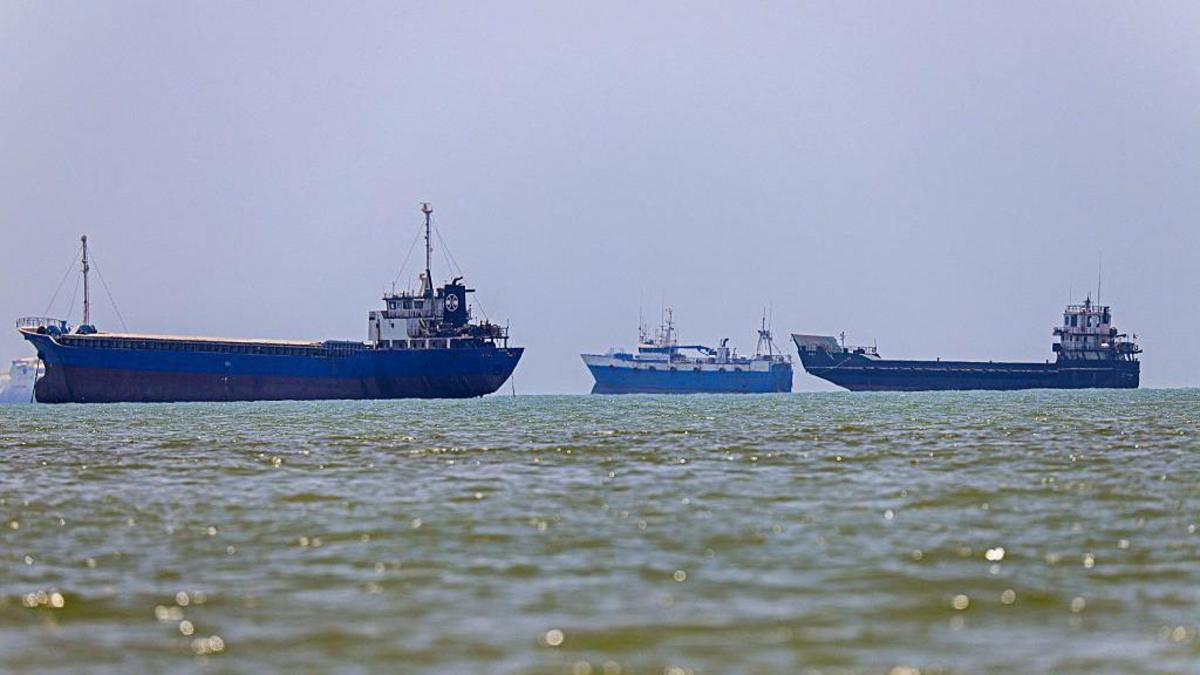
- Iran's military and IRGC declared the Strait of Hormuz closed on Saturday and warned vessels to stay away from the critical shipping route, citing continued Israeli operations in Lebanon and U.S. 'bad faith'
- U.S. Central Command spokesperson Captain Tim Hawkins told Reuters: 'Iran does not control the Strait of Hormuz,' saying traffic continues to flow and U.S. forces are monitoring the situation
- Israeli strikes in southern Lebanon killed at least 16 people including two children, with seven more trapped under rubble in Nabatiyeh and nearby villages, per Lebanese authorities and AP
- The Wednesday MOU between Trump and Iranian President Masoud Pezeshkian had called for an immediate end to Israeli military actions in Lebanon and full Hormuz reopening without Iranian tolls for at least 60 days
- Vice President JD Vance said on Fox News that talks are 'going well,' with Jared Kushner and Steve Witkoff in Switzerland working technical details, and noted 16 million barrels of oil flowed through the strait on Friday — a record
- Iranian negotiators were preparing to travel to Switzerland for technical-level talks with U.S. officials scheduled to begin Sunday, focused on securing Iran's enriched uranium stockpile
- Iranian state television warned that 'subsequent steps have been planned' if what it called aggression continues, according to multiple outlets
Why it matters: The closure claim — flatly denied by CENTCOM — directly tests the interim framework struck Wednesday, which conditioned Hormuz reopening on Israel halting Lebanon operations. With 16 killed in Lebanon strikes the same day Iran announced the closure, and 60 days of toll-free passage now in question, the 16 million barrels of daily oil flow Vance highlighted is the immediate stake. The Switzerland talks starting Sunday will determine whether the deal holds or collapses within its first week.
Ask SkimNews