Adalberto Val Wins Le Cren Medal for Amazon Science — SkimNews
Get the Energy newsletter
Daily energy & climate — solar, EVs, oil, the policy fights and tech bets shaping the transition. Free.
- Adalberto Val traveled to the University of Southampton on 30 July to receive the Fisheries Society of the British Isles’ Le Cren Medal, the first awarded to a scholar in the tropics.
- INPA researchers tested tambaqui and other aquatic species in four chambers: three modeled mild, medium and extreme IPCC conditions for 2100, while a control used real-time temperature, carbon-dioxide, light and humidity data from a forest tower.
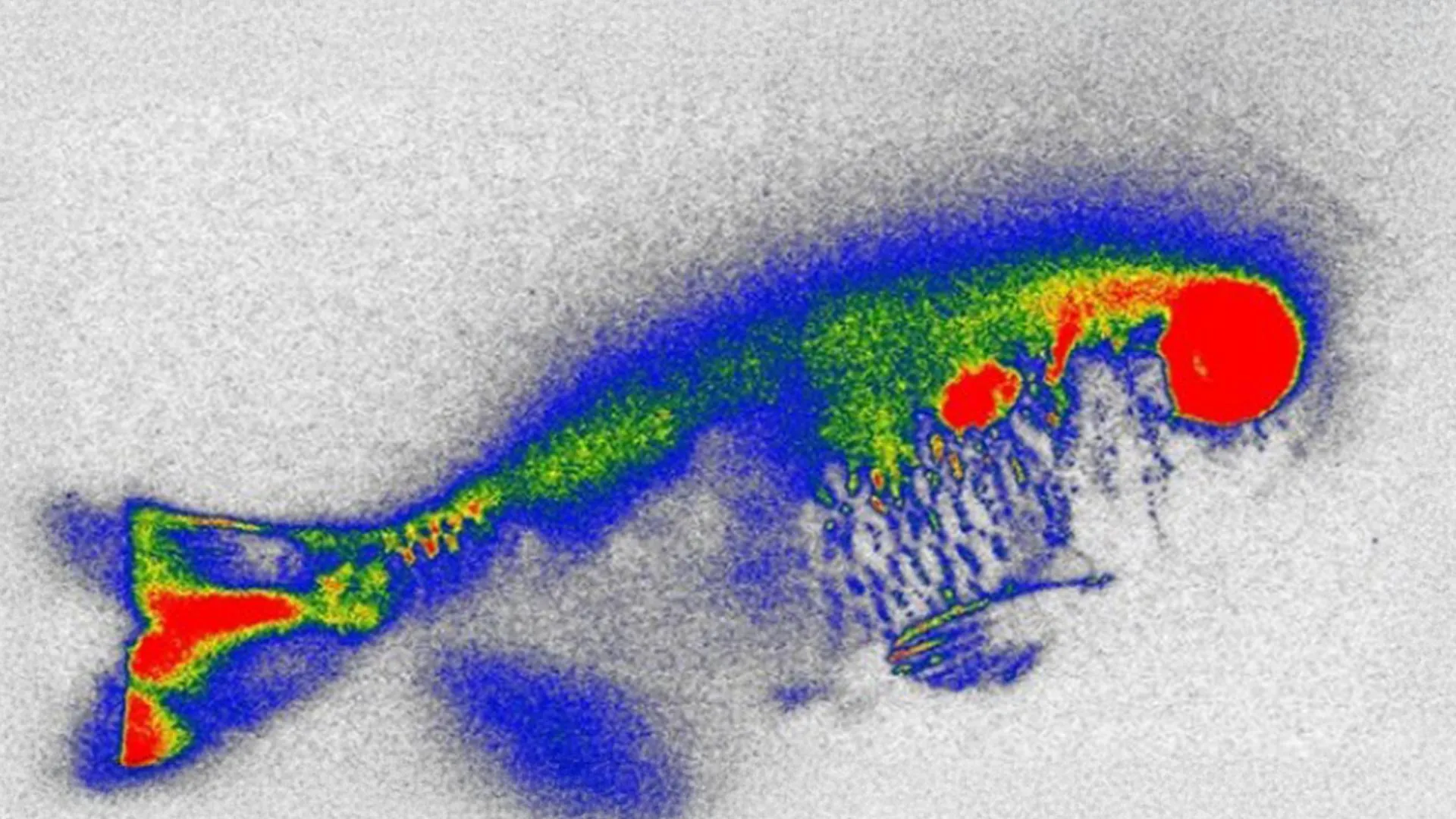
- INPA experiments found that excessive warming depletes water oxygen and damages the vascular systems, metabolism and physiology of river fish.
- ICMBio added the tambaqui to the list of species at risk of extinction; record droughts in 2023 and 2024 separately caused major fish and river-dolphin die-offs across the Amazon Basin.
- Adalberto Val said tambaqui transport seeds along rivers and that depleting them handicaps the Amazon forest’s recovery.
- Amazon Basin waterways face runoff from mining and plantation agriculture carrying copper, mercury, microplastics and pesticides into rivers and aquifers, fouling drinking water and contaminating fish.
- Brazil devotes only 3% to 4% of its total science investment to research and technology in the Amazon Basin, where freshwater catches can provide up to 90% of diets for a population of 40 million.
Why it matters: Brazil’s science budget sends only 3–4% to the Amazon, even though 40 million basin residents can get up to 90% of their diets from freshwater catches. That funding gap creates a global blind spot in tracking warming and pollution, while fish losses weaken forest recovery and expose communities to toxic contaminants.
Ask SkimNews