Bangladesh’s J-10CE fighter plan stirs China dependence fears — SkimNews

Get the Geopolitics newsletter
Daily geopolitics — wars, elections, sanctions, the diplomatic moves that move markets. Free.
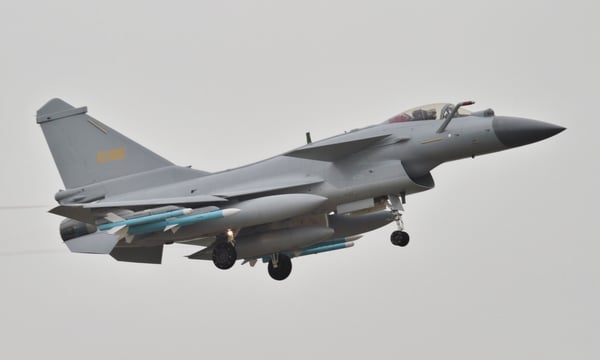
- Bangladesh is preparing to buy 20-24 Chinese J-10CE fighters at a base cost of $62.7 million per jet, rising to roughly $115 million once training, logistics and infrastructure are included; a draft proposal has been sent to its Finance Ministry and Armed Forces Division for final approval.
- The procurement package also covers attack helicopters, VIP transport helicopters and unmanned aerial systems, and would complement Bangladesh's planned China-Pakistan JF-17 Thunder Block III buys, creating a high-low mix to replace aging F-7s and MiG-29s.
- Pakistan is the sole confirmed foreign operator of the export-type J-10CE, and its claimed May 2025 shoot-downs of Indian fighters including Rafales — claims still disputed — helped draw Bangladesh toward the type, though those results reportedly depended on the wider Chinese-origin ecosystem of ground-based air defenses and AEW&C aircraft.
- Myanmar's JF-17s illustrate the risks of that ecosystem: structural damage during high-G maneuvers, KLJ-7 Al radar maintenance and accuracy problems, weapon-management computer malfunctions, and spare-parts shortages driven by Western sanctions on Myanmar's Western-supplied avionics.
- China has supplied roughly 70% of Bangladesh's arms purchases over the past 20 years, and the article argues the support architecture — spare parts, software updates, training — creates channels of influence that extend well beyond the initial transaction.
- India fields 29 fighter squadrons regionally, so the J-10CE/JF-17 buys don't overturn Indian air superiority, but they narrow Bangladesh's tactical gap and force New Delhi to devote greater planning attention to the 20-km-wide Siliguri Corridor linking its northeastern states to the rest of the country.
- Bangladesh is hedging by elevating defense ties with Turkey through annual 2+2 consultations and signing a defense equipment transfer agreement with Japan, yet the article concludes Chinese interoperability will ultimately constrain the strategic autonomy those new capabilities are meant to preserve.
Why it matters: The deal gives Bangladesh a credible counterweight to perceived Indian pressure on its northern frontier — useful leverage after the August 2024 ouster of India-aligned PM Sheikh Hasina — but locks Dhaka into a Chinese support ecosystem whose full combat value (per the May 2025 India-Pakistan clashes) comes only when the jets operate alongside Chinese GBAD and AEW&C, and whose failure modes Myanmar's JF-17 fleet is already exposing. India, for its part, must now plan around Chinese-capable aircraft within striking distance of its narrowest strategic vulnerability.
Ask SkimNews