Takaichi Dodges Nuclear Pledge on Hiroshima Anniversary — SkimNews
Get the Geopolitics newsletter
Daily geopolitics — wars, elections, sanctions, the diplomatic moves that move markets. Free.
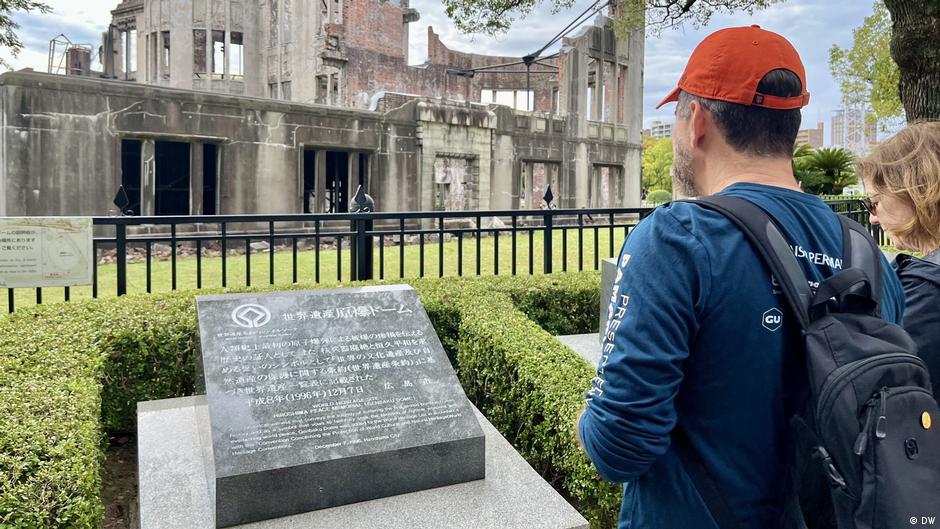
- PM Sanae Takaichi refused during an Aug 6 televised meeting with Hiroshima survivors to clarify whether she would maintain Japan's three non-nuclear principles, prompting 82-year-old survivor Satoshi Tanaka to tell AFP her non-answer "only worries me more."
- Defence Minister Shinjiro Koizumi called in July for a "discussion without a taboo" on nuclear weapons, and in December 2025 a senior administration official told Japanese media — reported by NHK and Asahi Shimbun — that Japan should possess nuclear weapons.
- The Takaichi administration is conducting a major update of Japan's national defence strategy in 2026, having already lifted the self-imposed ban on weapons exports, expanded defence spending, and pushed to amend the post-war constitution.
- China has publicly rebuked Takaichi's policies as "new militarism," accusing her of bending to the far right as East Asian neighbours expand their own military capabilities.
- Japan recognized just over 91,000 survivors of the Hiroshima and Nagasaki attacks as of March, down from 164,000 a decade ago, with an average survivor age of 86.7 — numbers that have the survivors' national association debating whether to continue.
- Hirofumi Yoshimura, head of coalition partner Japan Innovation Party, said the "not allowing them to be brought in" clause of the 1967 principles deserves discussion within the US-Japan security alliance framework, while keeping the "neither possessing nor producing" pillars intact.
- Nihon Hidankyo, the survivors' organization, won the 2024 Nobel Peace Prize for its nuclear disarmament advocacy even as its aging membership questions whether its voice still carries weight in Tokyo.
Why it matters: Takaichi's refusal to reaffirm the three non-nuclear principles at the Hiroshima ceremony — combined with lifted weapons-export bans and a 2026 defence-strategy overhaul — makes a formal retreat from the 1967 framework a concrete near-term possibility, and China has already branded the shift "new militarism," raising the diplomatic cost of any move to permit US nuclear arms on Japanese soil.
Ask SkimNews