Takaichi Leaves Japan's Nuclear Policy Revision on Table — SkimNews

Get the Geopolitics newsletter
Daily geopolitics — wars, elections, sanctions, the diplomatic moves that move markets. Free.
- Takaichi has declined to rule out revising Japan's Three Non-Nuclear Principles — the longstanding pledge not to possess, produce, or host nuclear weapons — in upcoming national security document revisions, while reiterating the principles remain policy "for now."
- Defense Minister Koizumi Shinjiro argued on a conservative online program that Japan must "discuss and pursue every possible policy option without treating anything as taboo," citing Finland and France's nuclear deterrence efforts as models worth studying.
- In a 2024 edited volume, Takaichi argued Japan's current nuclear policy was not "realistic" for ensuring the credibility of the U.S. extended nuclear deterrent — remarks now receiving heightened scrutiny as she leads the government.
- A 2010 precedent from Foreign Minister Okada Katsuya under the DPJ government already created an effective exception: in an extreme emergency, "the government of the day must make the decision with the nation's fate at stake," potentially allowing nuclear introduction without formally abandoning the principles.
- Historically, such talk was politically fatal: in 1999, Parliamentary Vice-Minister of Defense Nishimura Shingo was forced to resign after a magazine quoted him suggesting Japan consider becoming a nuclear power, while in 2007 Defense Minister Kyuma Fumio resigned within two weeks of controversial atomic bombing remarks.
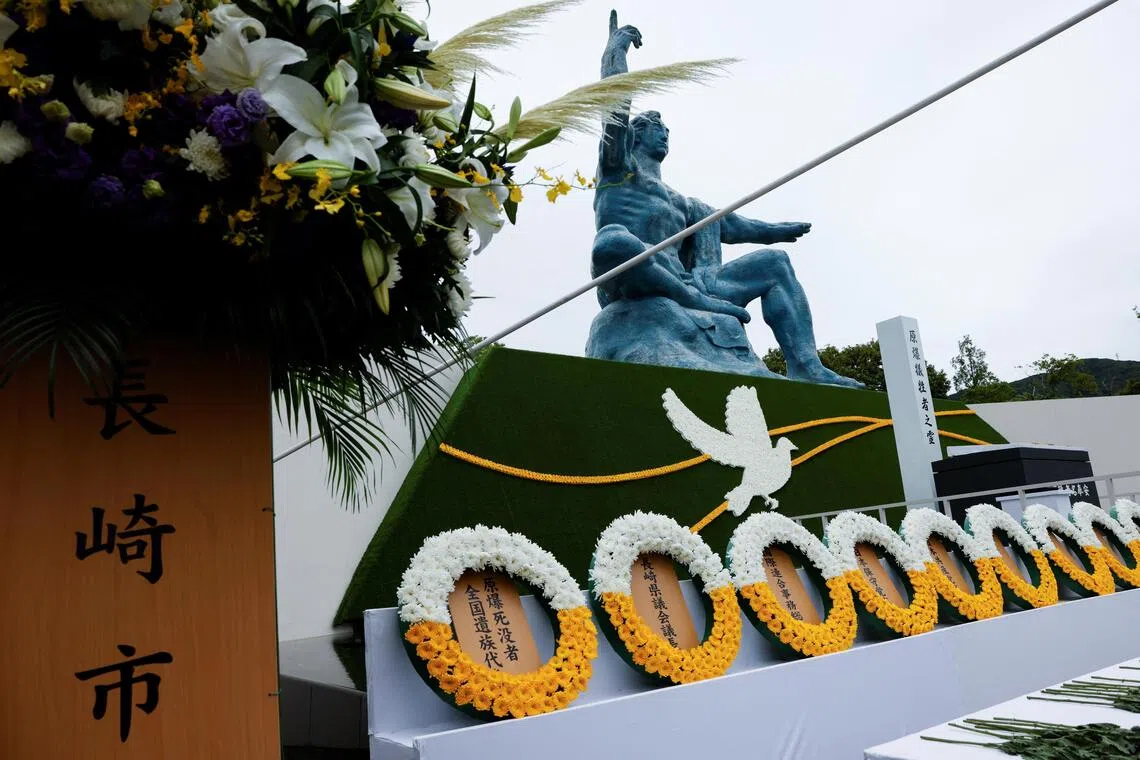
- The debate coincides with the August anniversaries of the Hiroshima and Nagasaki bombings — yet statements by Takaichi and Koizumi have generated minimal public backlash, suggesting the political cost of nuclear discussion has collapsed.
- Japan has already crossed multiple postwar security taboos since 2000, including deploying the Self-Defense Forces to conflict zones, legitimizing collective self-defense, opening an overseas military base, and greenlighting lethal weapons exports.
Why it matters: Japan's security discourse has measurably shifted: nuclear policy revision, once career-ending, now draws minimal backlash even during the Hiroshima-Nagasaki anniversary month. If Takaichi — who has labeled current policy "not realistic" — follows through, a formal revision would be the latest in Japan's two-decade march across postwar taboos, from collective self-defense to lethal arms exports, with profound implications for U.S. extended deterrence credibility in the Pacific.
Ask SkimNews