Trump ties Saudi nuclear deal to Abraham Accords — SkimNews

Get the Geopolitics newsletter
Daily geopolitics — wars, elections, sanctions, the diplomatic moves that move markets. Free.
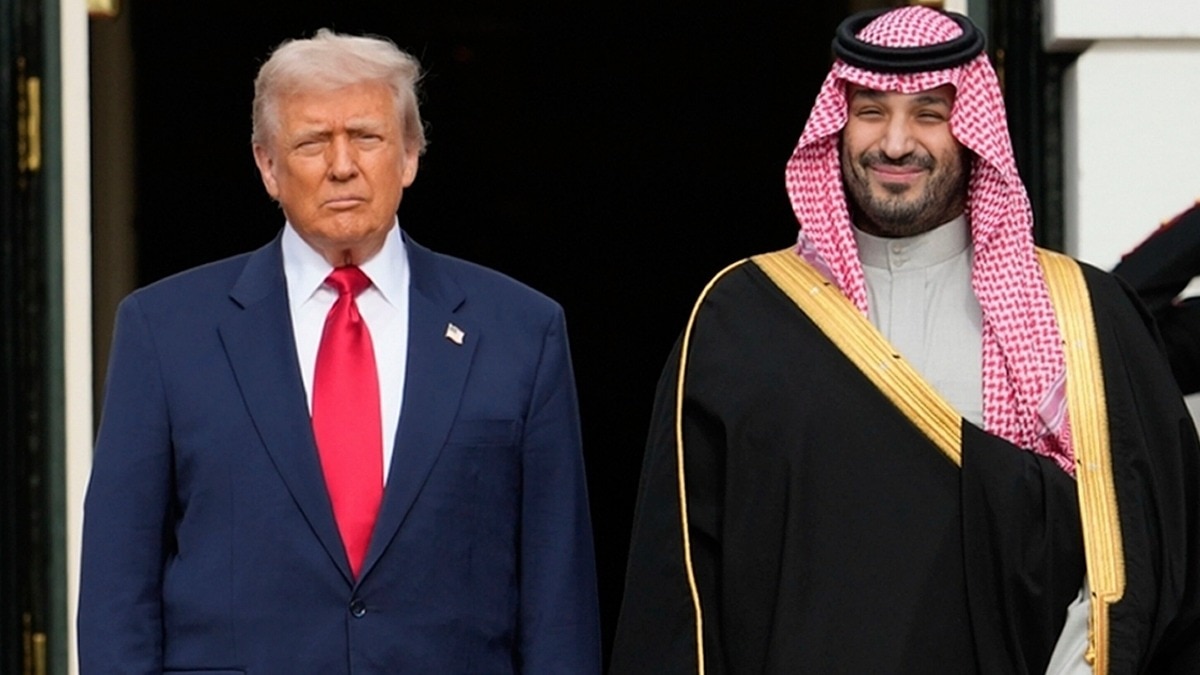
- Trump said Friday in the Oval Office that the U.S. will not proceed with a civil nuclear deal with Saudi Arabia unless Riyadh joins the Abraham Accords, adding: "In order to do it, they have to be a member of the Abraham Accords."
- Trump publicly attached the Abraham Accords condition Thursday via social media, and on Friday said he had not discussed the accords with Energy Secretary Chris Wright before Wright signed the reactor agreement Wednesday — though he insisted "it was always understood."
- The U.S. Department of Energy announced Wednesday that Wright and Saudi Energy Minister Prince Abdulaziz bin Salman signed an agreement on developing Saudi Arabia's first commercial nuclear reactors, which will next go to Congress for review.
- Saudi Arabia has not signed the Abraham Accords because it wants an irreversible path to a Palestinian state before recognizing Israel, and has not responded to requests for comment on Trump's new condition.
- Former President Joe Biden also pursued a Saudi nuclear deal during his term and similarly tried to tie it to the Abraham Accords, suggesting the precondition predates Trump's current push.
- A finalized deal would benefit Westinghouse, co-owned by Canadian companies Cameco and Brookfield Asset Management, which are positioned to supply reactor technology.
Why it matters: Saudi Arabia's refusal to sign the Abraham Accords without an irreversible path to a Palestinian state means Trump's precondition likely stalls the nuclear agreement that would have benefited Westinghouse and its Canadian co-owners Cameco and Brookfield Asset Management — recreating the same impasse Biden encountered.
Ask SkimNews