CDC Veteran Calls Wildlife Trade 'Pandemic Roulette' — SkimNews

Get the Health newsletter
Daily health & science — research, biotech, public health, the studies worth knowing. Free.
- A former CDC epidemiologist described the global legal and illegal wildlife trade—which moves billions of live animals—as 'pandemic roulette,' arguing that relocating animals to new environments exposes them to pathogens they would never encounter in their native habitats.
- Zoonotic diseases transmitted from animals to humans have driven major outbreaks including HIV/AIDS, influenza, and West Nile virus, and many scientists believe COVID-19 also crossed the species barrier, according to the episode.
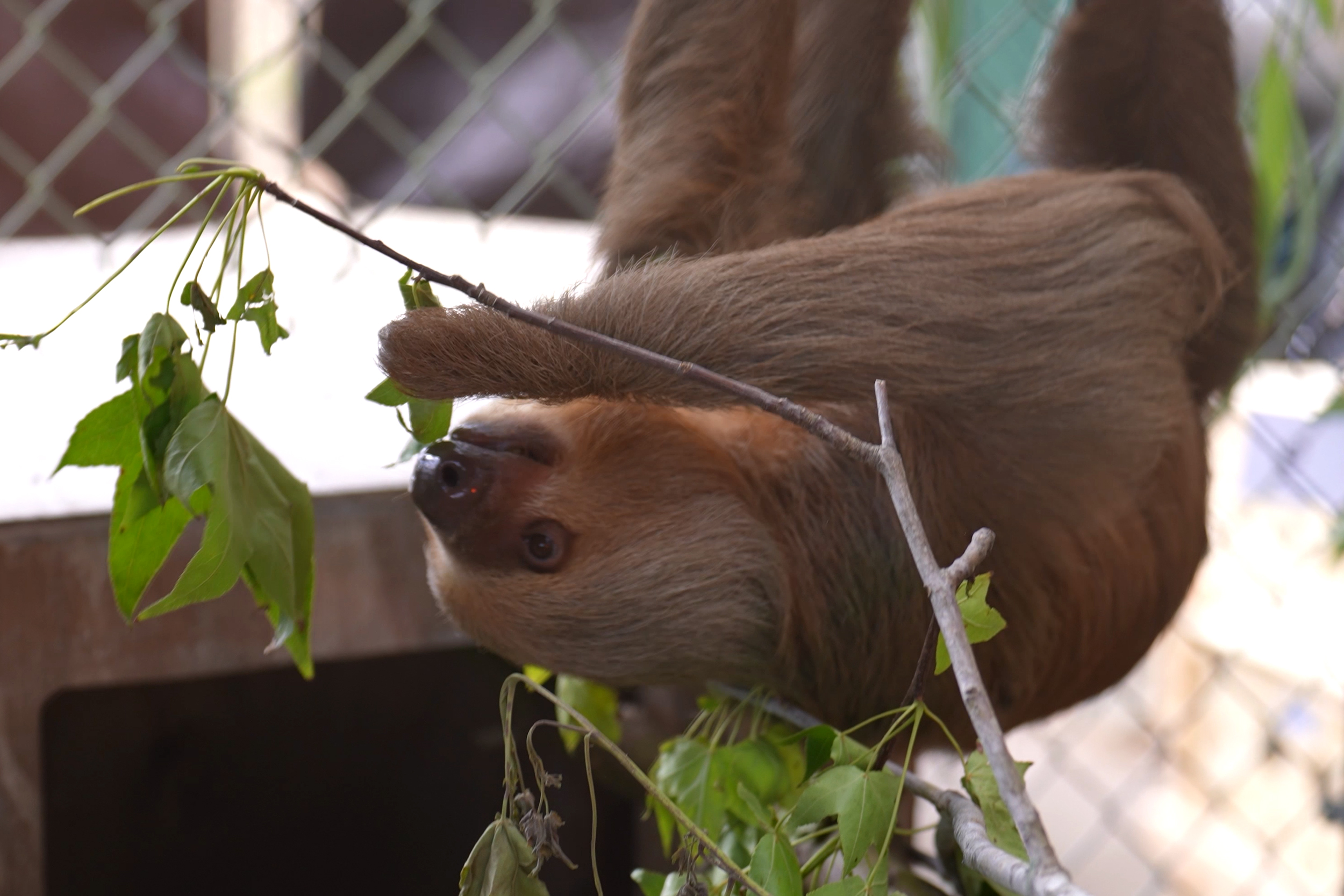
- The episode follows Inside Climate News' earlier investigation into mass deaths at Florida's Sloth World, which prompted calls for reform from lawmakers, a state-led criminal investigation, and a short-term ban on sloth imports.
- Reporters Katie Surma and Kiley Price examine what scientists learned from the dead sloths, identify which agencies are responsible for zoonotic disease oversight of imported wildlife, and outline what those agencies could do to lower public health risks.
- The trade's scale—billions of animals moving through legal and illegal channels—means that even rare pathogen spillover events can become global health threats, the source argues, since traded animals may carry diseases to species and ecosystems far beyond their origin points.
Why it matters: The wildlife trade already has a documented track record of spawning pandemics: HIV/AIDS, influenza, West Nile, and likely COVID-19. With Florida's Sloth World deaths triggering an actual criminal investigation and import ban, the episode shows that pressure is building for specific U.S. agencies to take on a public-health oversight role they have so far largely avoided.
Ask SkimNews