Iran detains tankers; Malaysia brokers release — SkimNews

Get the Geopolitics newsletter
Daily geopolitics — wars, elections, sanctions, the diplomatic moves that move markets. Free.
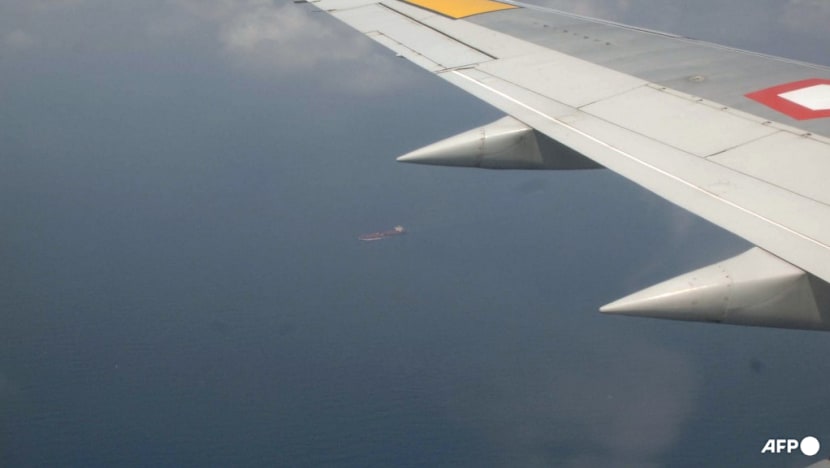
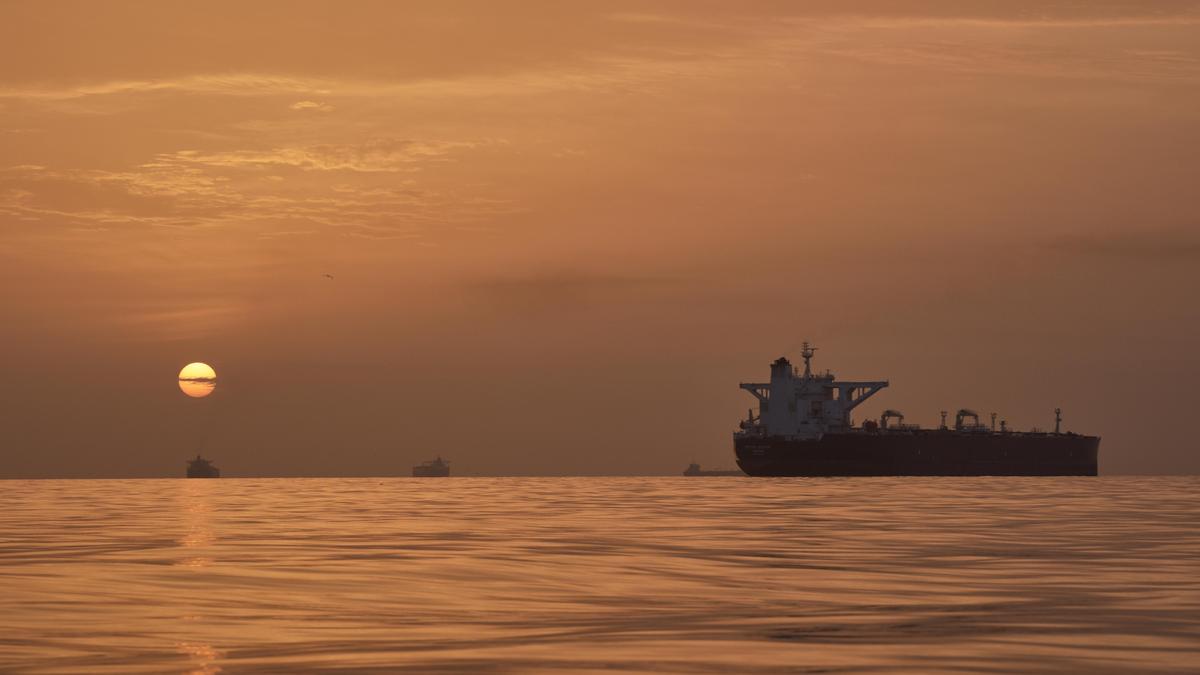
- Iran detained two Indonesian VLCC oil tankers, the Pertamina Pride and the PIS Gamsunoro, marking a low point in bilateral relations.
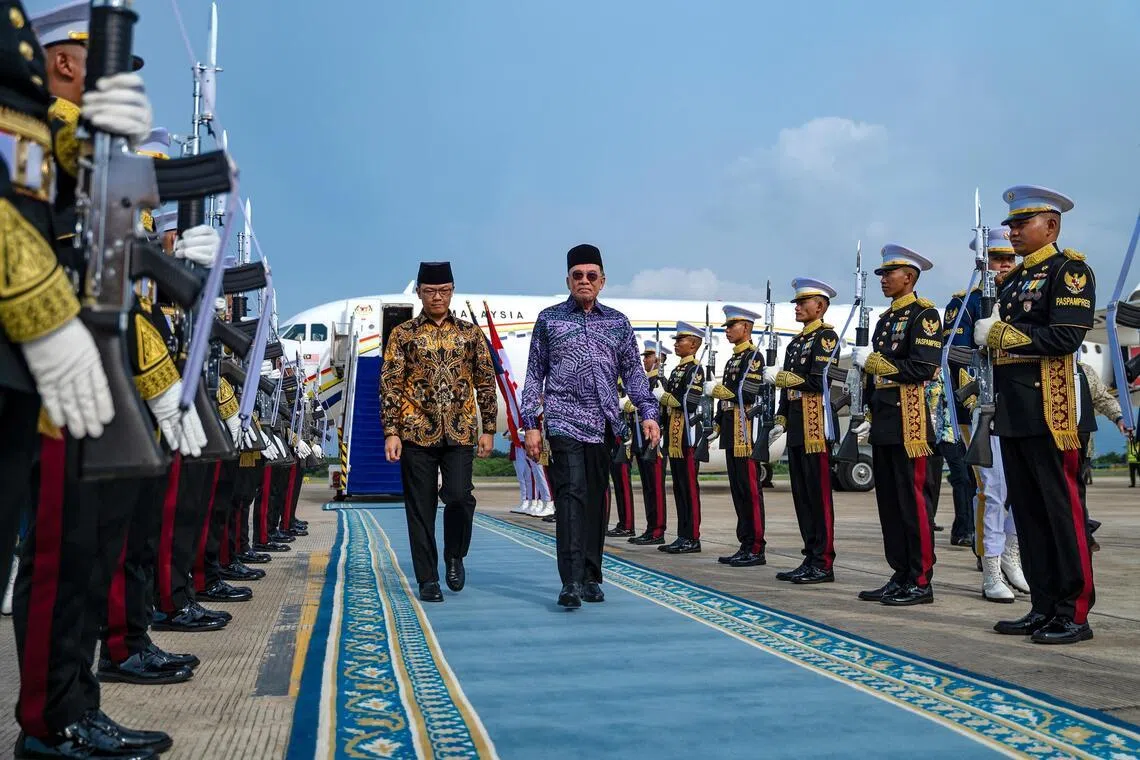
- Malaysia mediated a three‑hour meeting between President Prabowo and Prime Minister Anwar on March 27, 2026, after which Iran granted the Indonesian tankers safe passage through the Strait of Hormuz within 24 hours.
- Indonesia faces a legal dispute over the seized Iranian supertanker MT Arman 114, whose Batam District Court ruling in July 2025 ordered confiscation and a 1.2 million‑barrel oil auction, followed by an attempted auction of the assets in early 2026.
- Indonesia excluded Iran from the fifth Multilateral Naval Exercise Komodo in Bali in February 2025, turning back Iranian warships IRIS Dena and IRIS Shahid Mahdavi, which Tehran saw as a diplomatic slight.
- Indonesia signed the Agreement on Reciprocal Trade (ART) on February 19, 2026, granting zero‑tariff access for thousands of exports but effectively binding parts of its economic security policy to Washington.
- Brent crude briefly surpassed $120 per barrel, and the resulting energy subsidy burden could increase Indonesia’s 2026 subsidy costs by more than 210 trillion rupiah beyond initial projections.
- President Prabowo is urged to halt the MT Arman 114 asset auction, pursue an out‑of‑court settlement, and consider a state visit to Tehran to restore trust and secure maritime security.
Why it matters: Indonesia’s energy security and budget are hit as the Hormuz blockage forces a 210 trillion‑rupiah surge in subsidies, while Tehran’s punitive move underscores Jakarta’s limited diplomatic leverage under US‑linked trade ties. The crisis benefits Malaysia as a regional mediator but deepens Indonesia’s strategic dilemma.
Ask SkimNews