Why Iran shut Hormuz after decades of holding back — SkimNews

Get the Geopolitics newsletter
Daily geopolitics — wars, elections, sanctions, the diplomatic moves that move markets. Free.
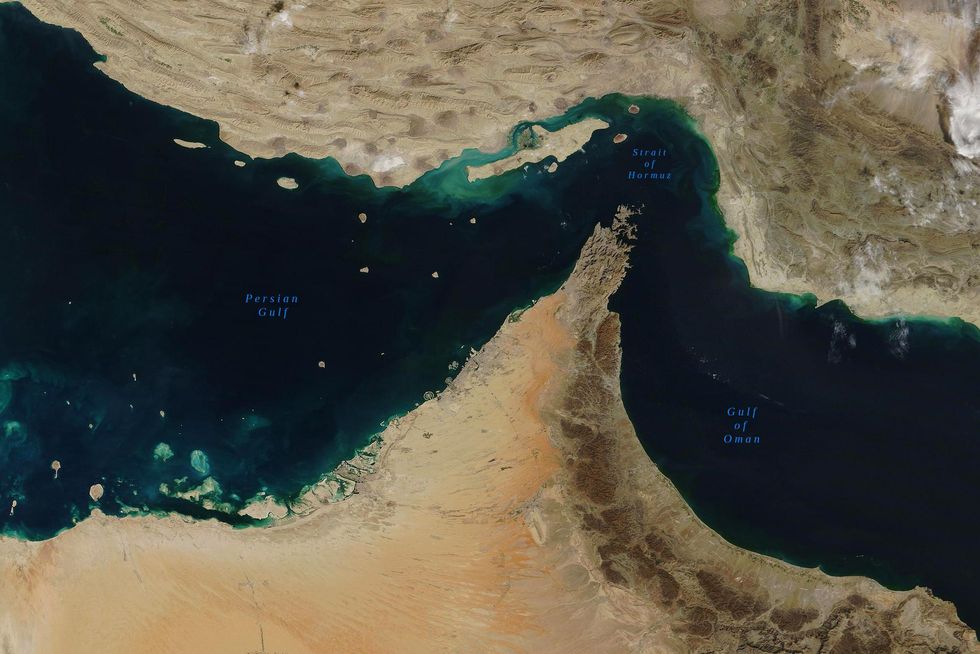
- Iran struck two tankers in the Strait of Hormuz, killing a crew member, and hit US bases across the Gulf, breaking a four-decade pattern of restraint on closing the waterway.
- US forces have struck hundreds of Iranian targets, including in the southern port city of Bandar Abbas, over three consecutive nights as Trump declared the US the "guardian" of Hormuz.
- Donald Trump revived a naval blockade of Iranian ports and briefly demanded a 20% charge on all cargo passing through the strait — a move Secretary of State Marco Rubio had ruled out just two weeks earlier.
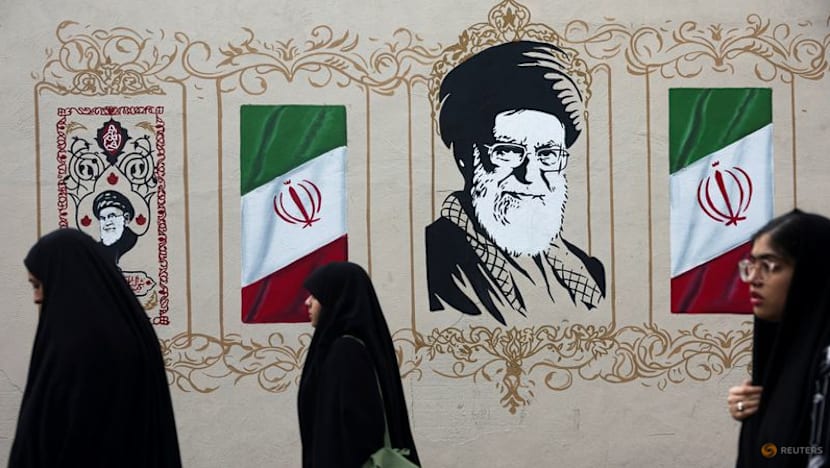
- Mojtaba Khamenei, in his first statement as the new Iranian supreme leader on March 12, declared that the Hormuz closure leverage "must definitely continue to be utilised" after the assassination of his predecessor Ali Khamenei.
- For forty years Iran held back from sealing the strait itself, even after the USS Vincennes shot down an Iranian passenger plane in 1988, killing 290 people, and despite then-VP Mohammad Reza Rahimi's 2011 threat to halt all oil passage.
- Political scientist Caitlin Talmadge described past Hormuz closure logic in 2008 as "the military equivalent of cutting off its nose to spite its [enemies] face."
Why it matters: Trump's escalating strikes on Iran may be reinforcing the very psychology that drives Tehran's Hormuz gambit: a leadership now framing its position as recovering accumulated losses rather than weighing future ones, meaning each US strike deepens the deficit Iran is gambling to recover and weakens standard deterrence logic.
Ask SkimNews