Kitchen sponges emit microplastics; water use dominant — SkimNews

Get the Health newsletter
Daily health & science — research, biotech, public health, the studies worth knowing. Free.
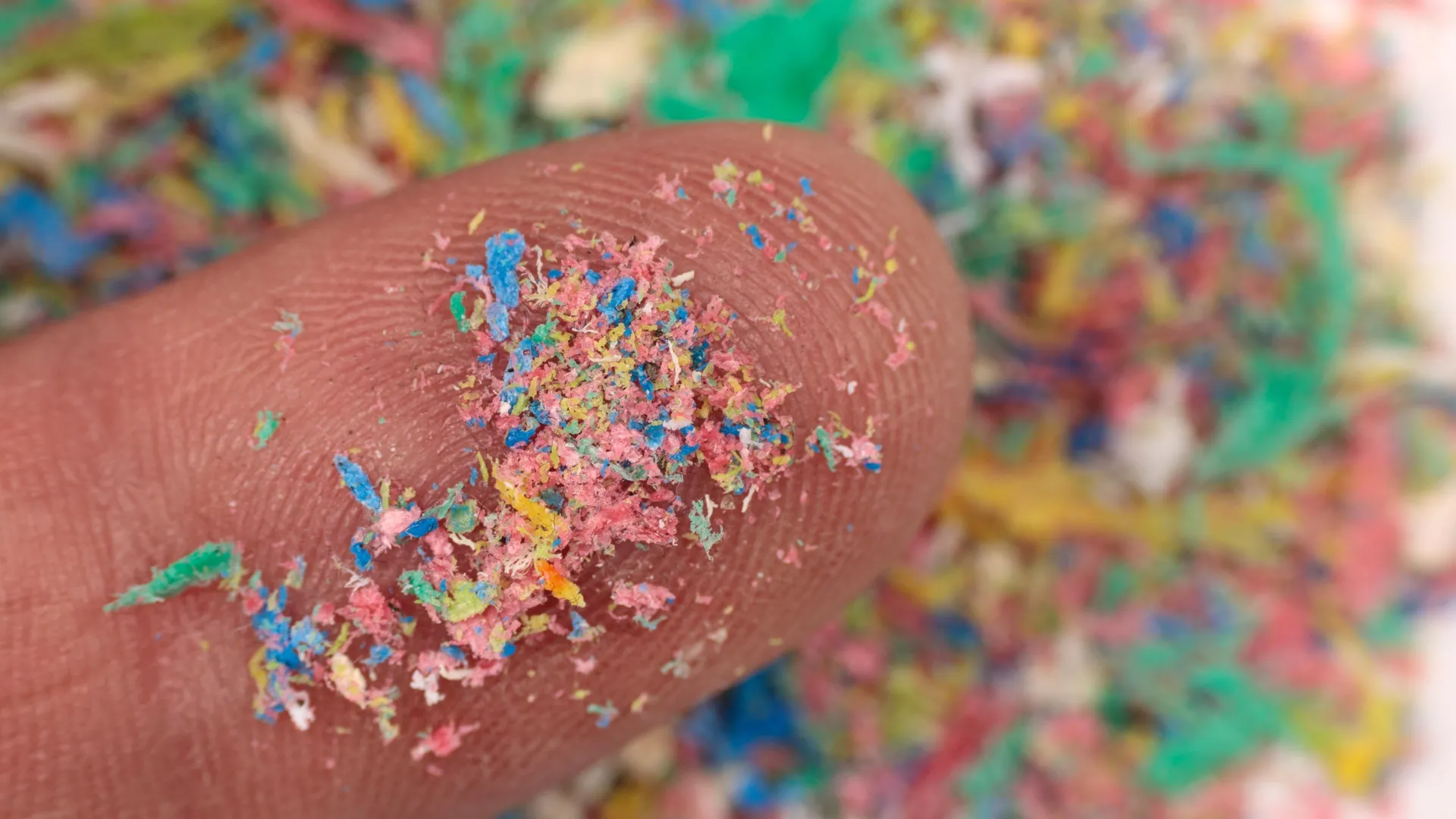
- The study quantified microplastic release from kitchen sponges, finding annual per‑person emissions of 0.68–4.21 g depending on sponge type.
- Volunteer households in Germany and North America used three sponge types and weighed them before and after use to measure material loss.
- Laboratory tests with an automated device (“SpongeBot”) confirmed that all sponge types lose material and shed microplastics under simulated dishwashing stress.
- Sponges with lower plastic content released significantly fewer microplastic particles than higher‑plastic alternatives.
- Life‑cycle assessment showed that 85%–97% of the environmental impact of manual dishwashing stems from water consumption, dwarfing the impact of microplastic emissions.
- Extrapolation to Germany suggests up to 355 metric tons of microplastics could enter the environment annually if a high‑plastic sponge is used in every household.
- The authors recommend using less water, selecting low‑plastic sponges, and extending sponge lifespan to cut overall resource use.
Why it matters: Households and wastewater systems stand to gain the most from cutting water use during manual dishwashing, as the study shows water accounts for up to 97% of the environmental footprint, dwarfing microplastic emissions. Switching to low‑plastic sponges helps, but water‑saving measures deliver the larger ecological benefit.
Ask SkimNews