Microplastics generate harmful radicals in water — SkimNews

Get the Health newsletter
Daily health & science — research, biotech, public health, the studies worth knowing. Free.
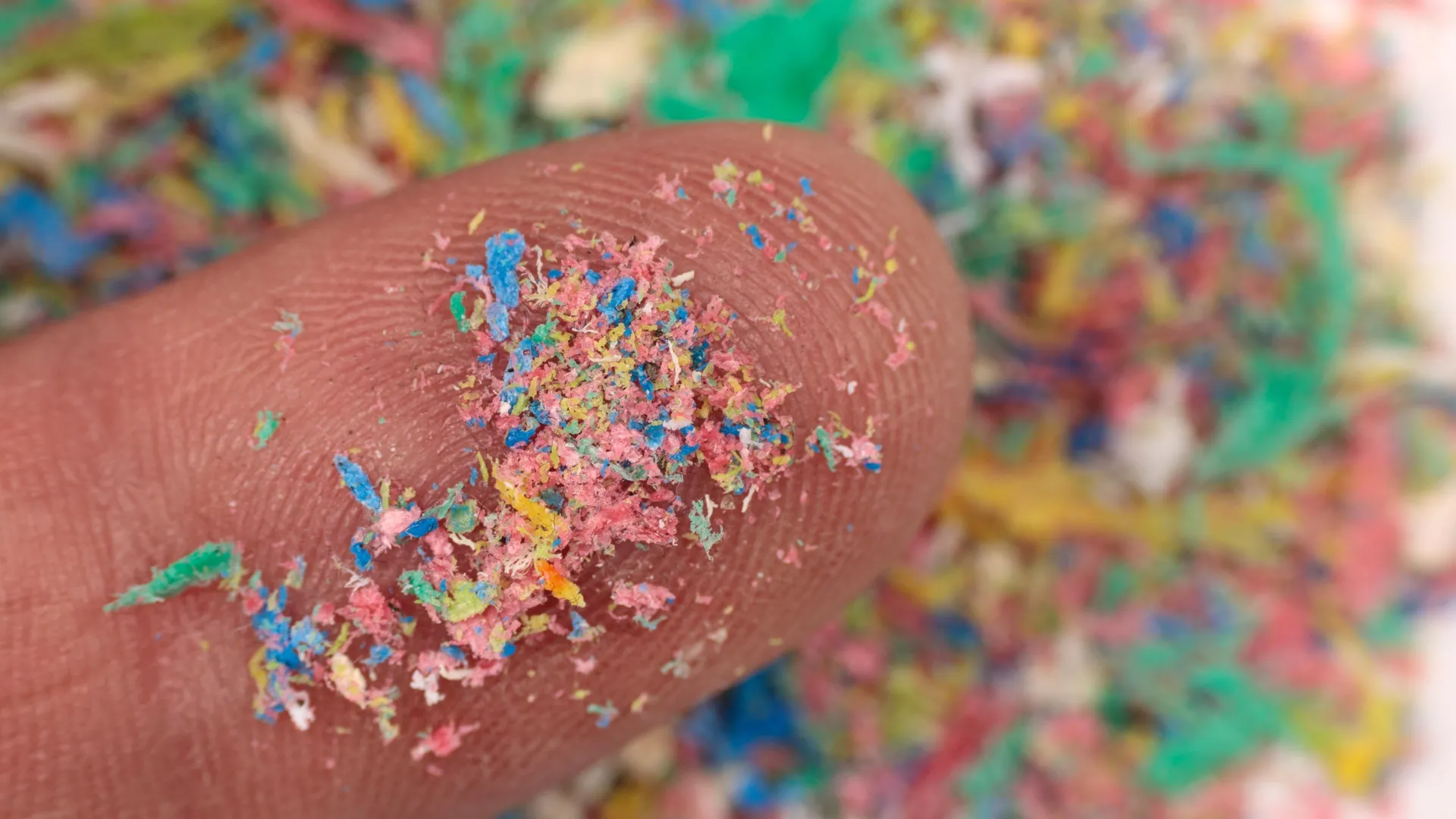
- Wei Min at Columbia University led the study showing that common microplastics — including polystyrene, polyethylene, and polypropylene — spontaneously generate hydroxyl radicals at the plastic-water interface, despite being chemically inert.
- Electric charges forming at the plastic-water interface strip electrons from OH- ions in water, producing volatile radicals that then attract and damage biological molecules like DNA, proteins, and red blood cells in lab experiments.
- Hydrophobic plastics like polyethylene and polypropylene showed stronger radical-generating activity than more hydrophilic ones like PET, a finding the researchers say could guide design of safer materials.
- In blood serum, the team detected hydroxyl radical generation at a weaker but still measurable level, indicating the chemistry could plausibly occur inside the body if microplastics reach the bloodstream.
- Matthew Campen at the University of New Mexico urged perspective, noting that surfactants like body lipids surround microplastics on contact and significantly dampen radical generation — "Microplastics hit your lung and they are surrounded by surfactants immediately."
- Surface area amplifies the effect: Campen calculated that a half-centimetre ball of plastic could degrade into a quadrillion 50-nanometre microparticles, multiplying its surface area roughly 100,000-fold.
Why it matters: The study gives researchers a concrete chemical mechanism — electric-charge-driven radical formation at the plastic-water surface — to explain why observational studies have linked microplastics to cardiovascular and cognitive harm, and to rank plastic types by risk. For materials scientists, the finding that hydrophobic plastics generated more radicals than PET opens a potential trade-off in designing safer plastics, since those same hydrophobic types also persist longer in the environment.
Ask SkimNews