Texas A&M Links Common Plastic to Fatty Liver Disease — SkimNews

Get the Health newsletter
Daily health & science — research, biotech, public health, the studies worth knowing. Free.
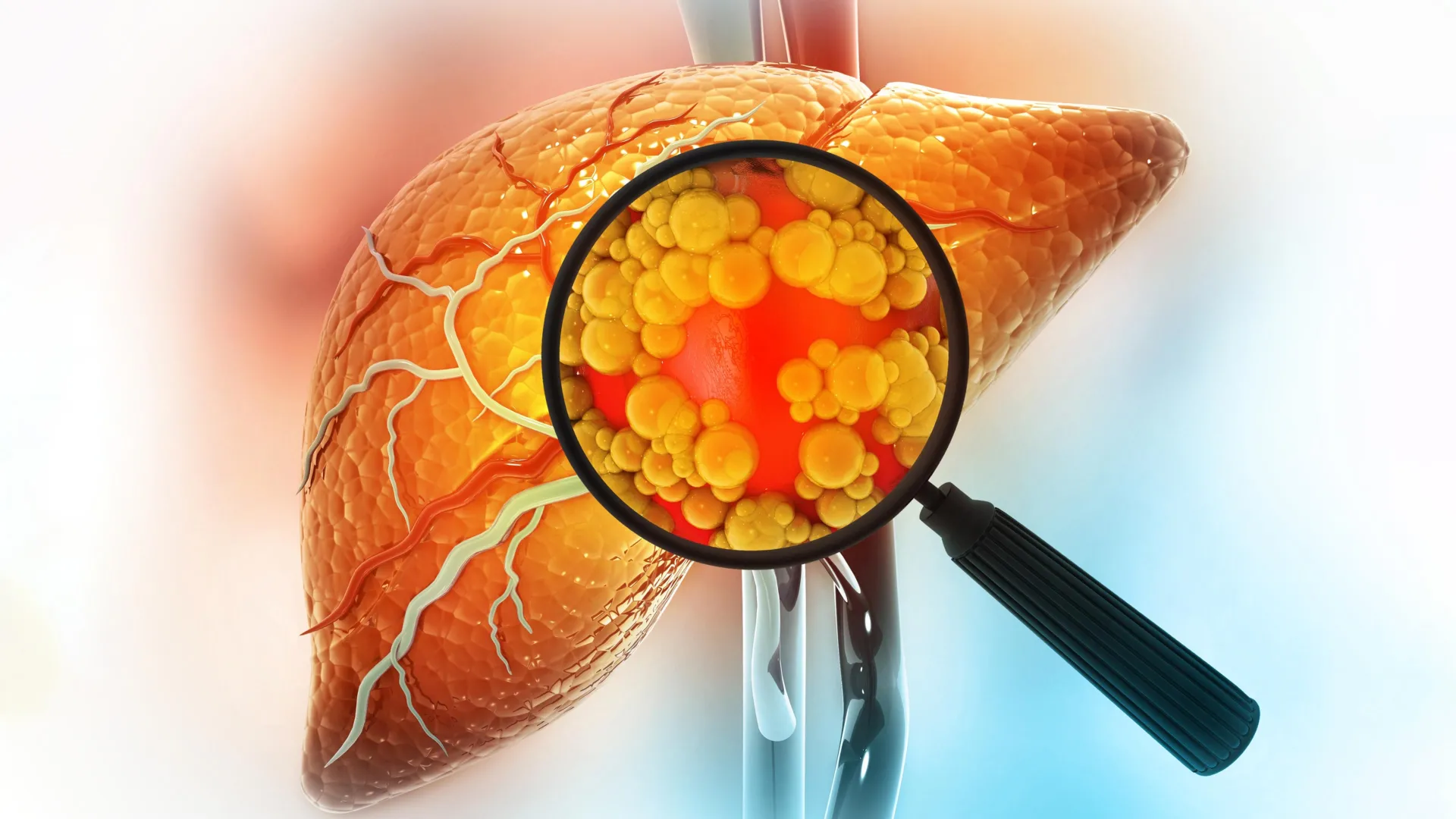
- Texas A&M University researchers found that polyethylene microplastics contribute to fatty liver disease, with damage becoming more severe when combined with diets high in fat, fructose, and cholesterol.
- Polyethylene accounts for approximately one-third of global plastic production and is found in everyday products including food wrappers, storage containers, plastic packaging, and beverage cup linings.
- Fatty liver disease affects approximately 25% of people worldwide, according to the American Liver Foundation—a figure that gives the new finding wide public health relevance.
- Dr. Adi Joshi and colleagues used spatial transcriptomics to map where liver damage occurs and identified two molecular pathways—PPAR-alpha, a protein involved in fat metabolism, and ANXA2, a gene tied to tissue repair—as key players in the response.
- The study is described as the first to show that polyethylene, long regarded as biologically inert, affects the liver's natural defense and repair mechanisms.
- Findings were published in Science Advances (October 2026), with the team now planning to investigate whether polyethylene exposure contributes to more advanced liver damage such as fibrosis.
Why it matters: Polyethylene's scale—roughly one-third of all plastic produced globally—and its routine presence in food-contact items exposes nearly everyone, while fatty liver disease already affects about 25% of people worldwide. Pinning a previously dismissed material to a specific organ response gives researchers molecular targets (PPAR-alpha, ANXA2) to pursue for treatment, reframing microplastics as a tractable variable in chronic liver disease rather than just background contamination.
Ask SkimNews