Mayo Clinic IDs MET Gene Mutation Causing Fatty Liver — SkimNews
Get the Health newsletter
Daily health & science — research, biotech, public health, the studies worth knowing. Free.
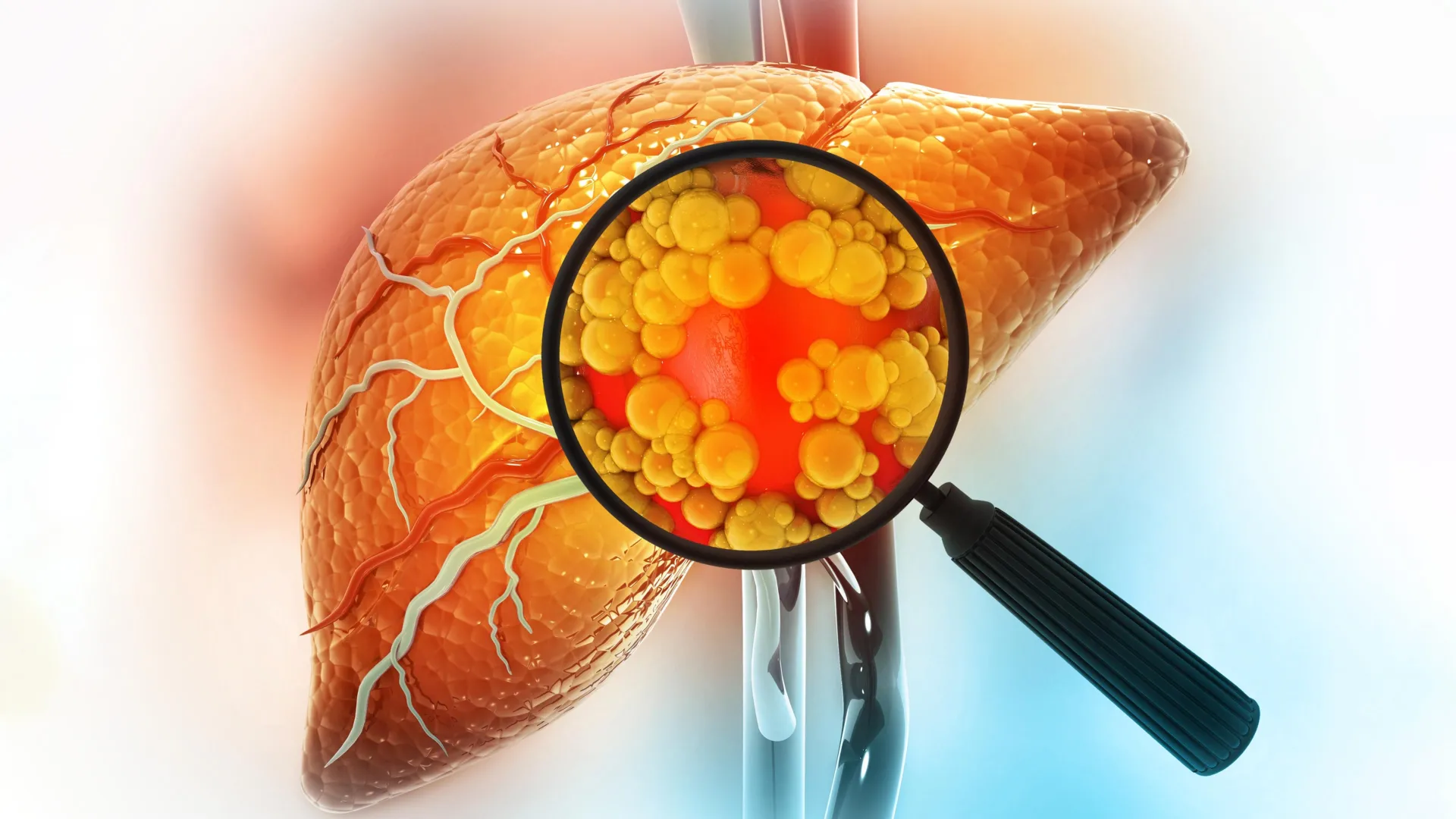
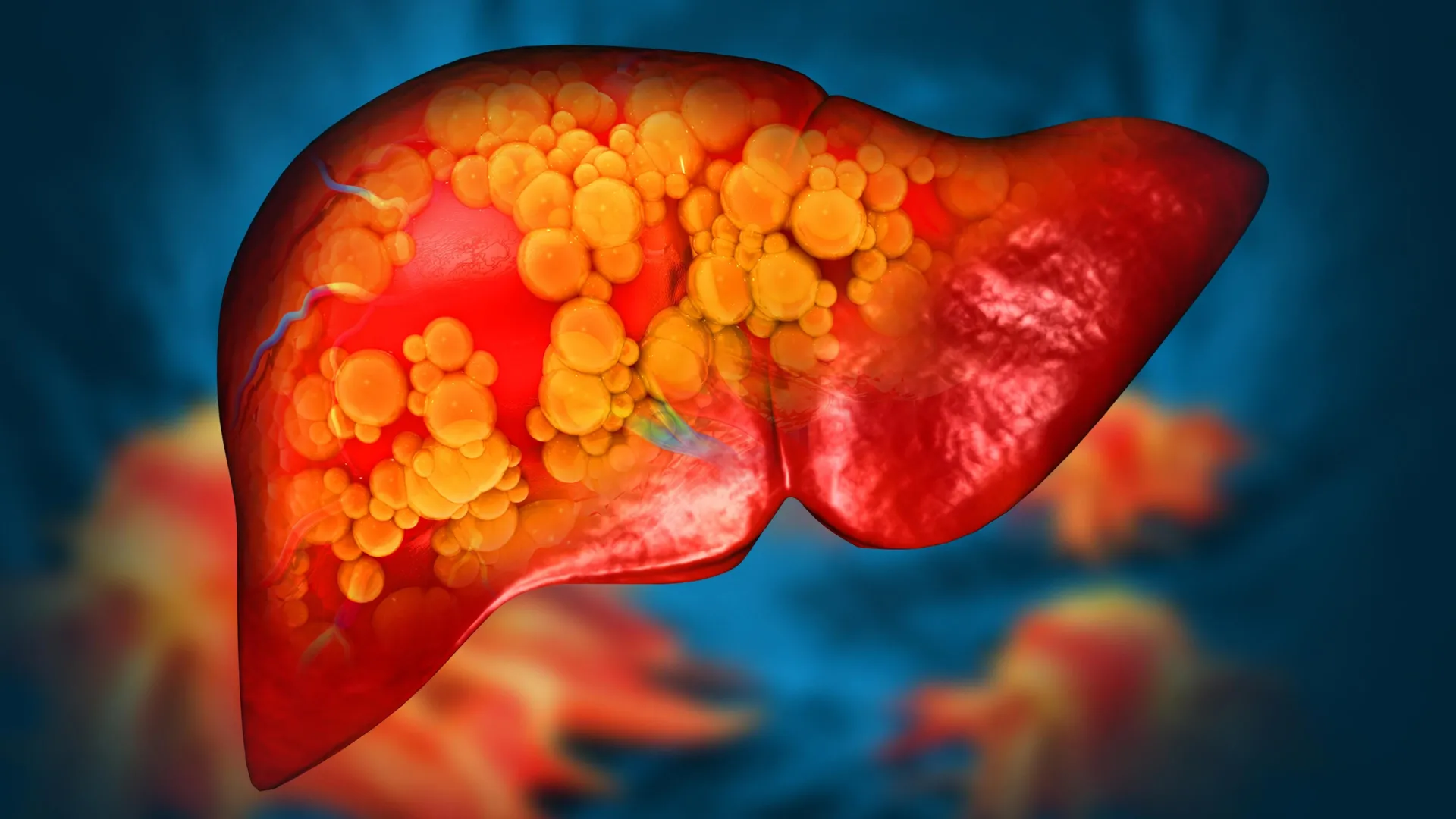
- Mayo Clinic researchers identified a rare mutation in the MET gene that can directly cause metabolic dysfunction-associated steatotic liver disease (MASLD), publishing the finding in Hepatology.
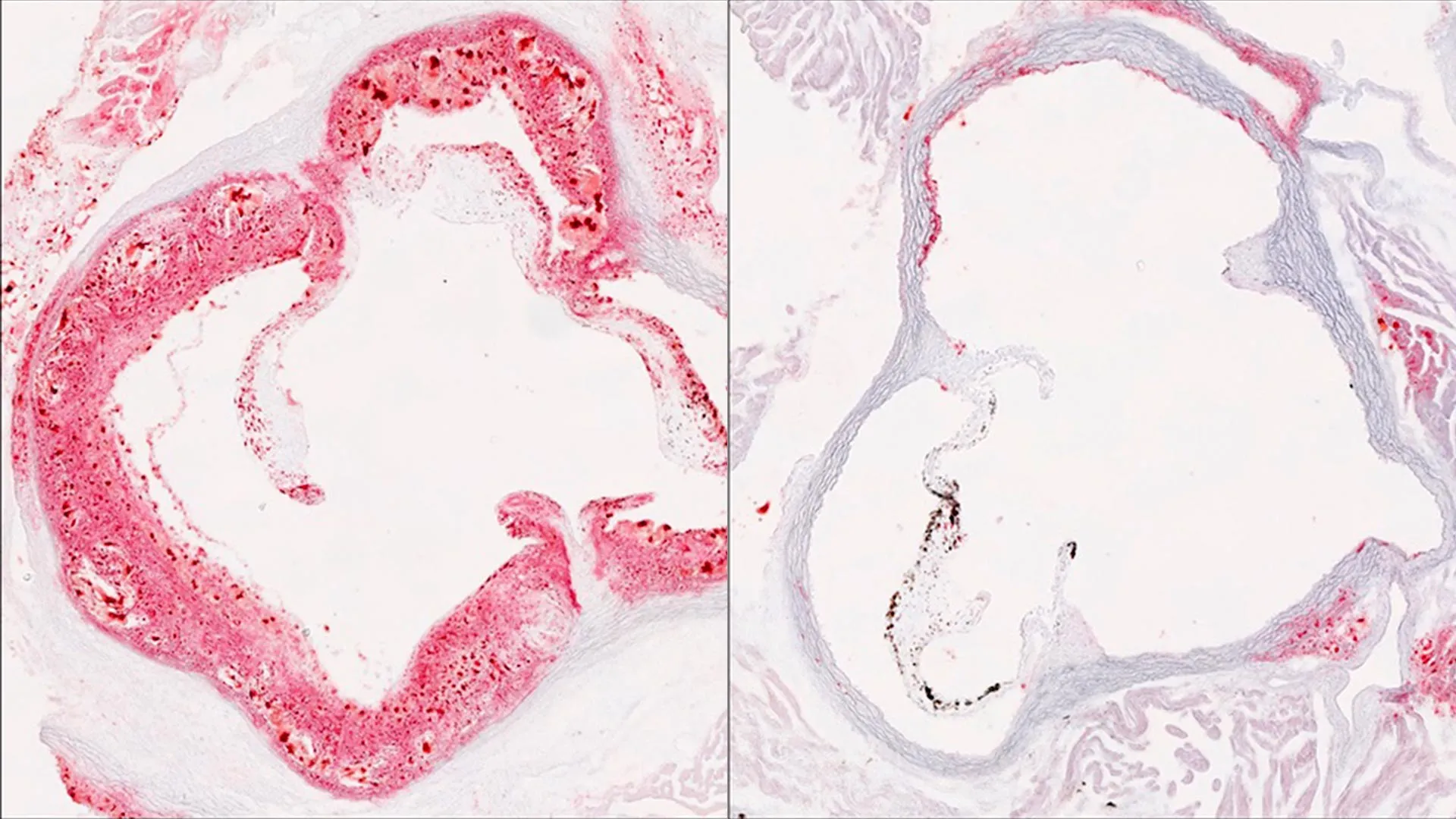
- The MET gene mutation disrupts the liver's ability to process fat, leading to fat buildup, inflammation, fibrosis, and potentially cirrhosis or liver cancer.
- The discovery began with a father and daughter who had metabolic dysfunction-associated steatohepatitis despite lacking typical risk factors like diabetes or high cholesterol, prompting analysis of DNA across more than 20,000 genes.
- The mutation was a single swapped letter in the DNA sequence and had not previously been documented in scientific literature or public genetic databases.
- Mayo's Tapestry study, which has examined germline DNA from more than 100,000 participants, found that about 1% of nearly 4,000 adults with MASLD carried rare variants in the MET gene.
- Nearly 18% of those rare variants occurred in the same key region identified in the original family, strengthening the evidence for the gene's role.
- Lead author Konstantinos Lazaridis, M.D. said the finding could affect hundreds of thousands to millions of people worldwide with or at risk for MASLD.
Why it matters: MASLD affects roughly one-third of adults globally, and its severe form is expected to become the leading cause of cirrhosis and liver transplants. Identifying a single-gene cause in a subset of patients opens a path to targeted genetic screening and potential therapies for the ~1% of MASLD patients carrying MET variants, detected through Mayo's 100,000-participant Tapestry genomic database.
Ask SkimNews