USC Study: PCE Exposure Triples Liver Fibrosis Risk — SkimNews
Get the Health newsletter
Daily health & science — research, biotech, public health, the studies worth knowing. Free.
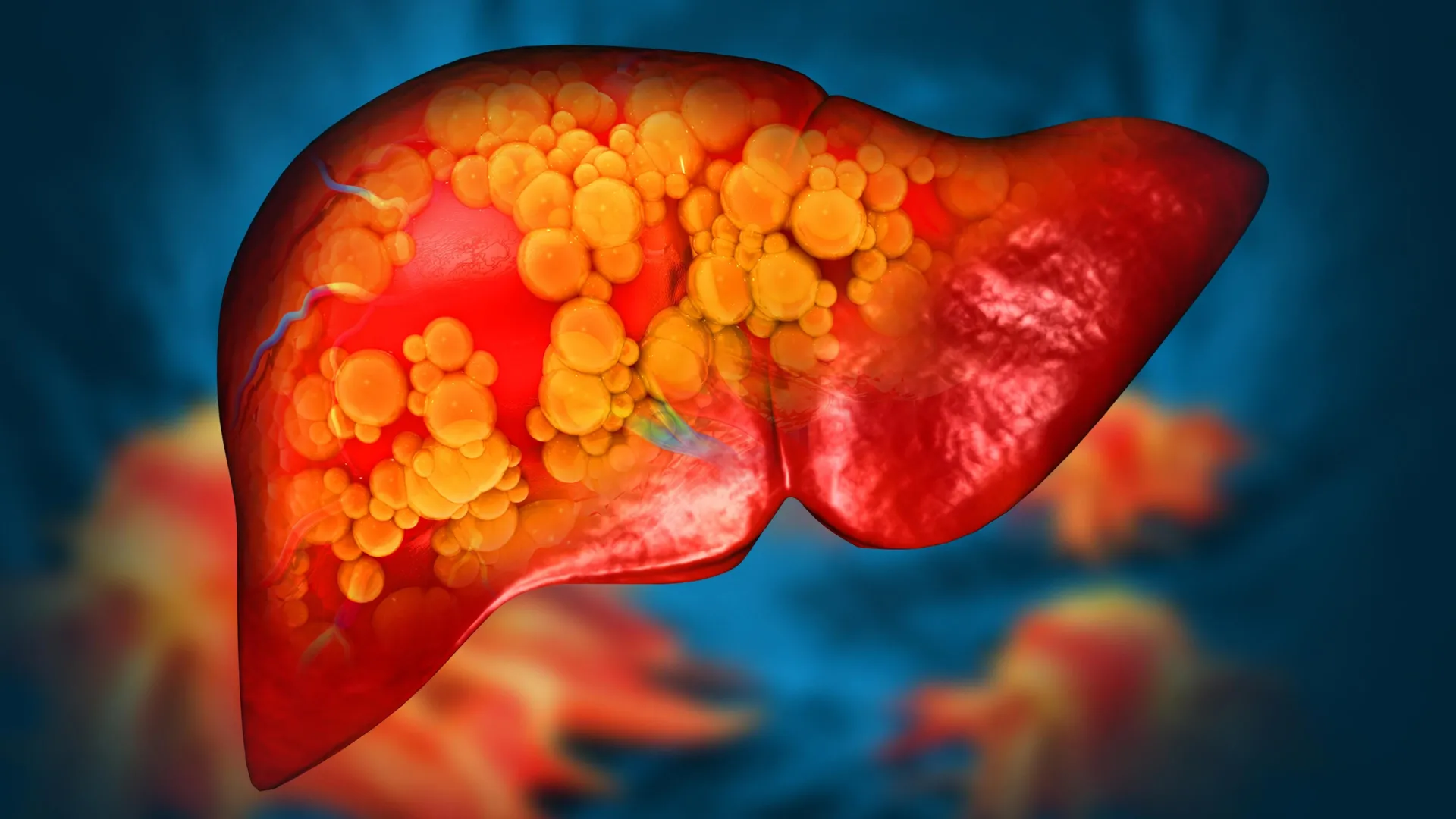
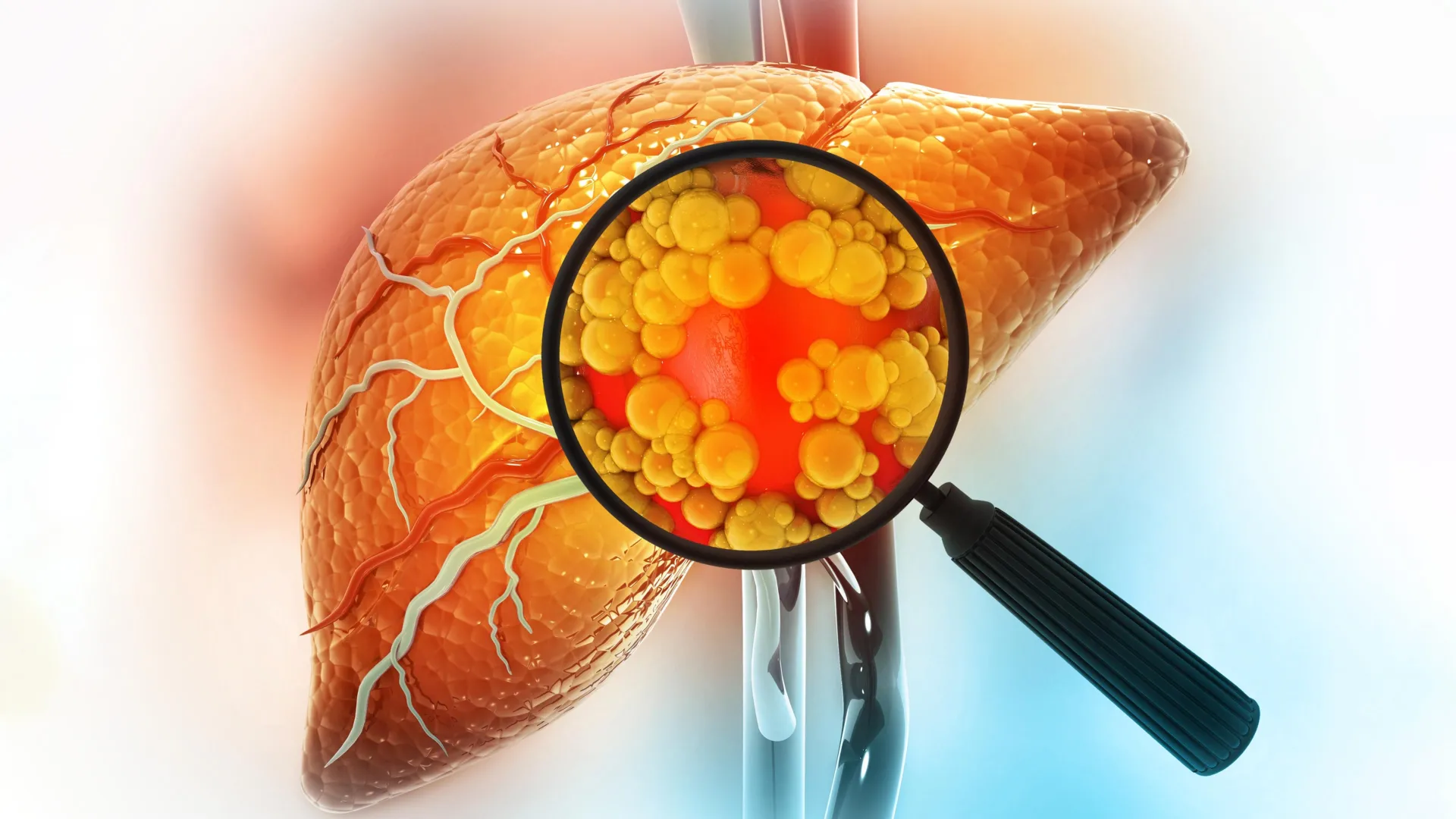
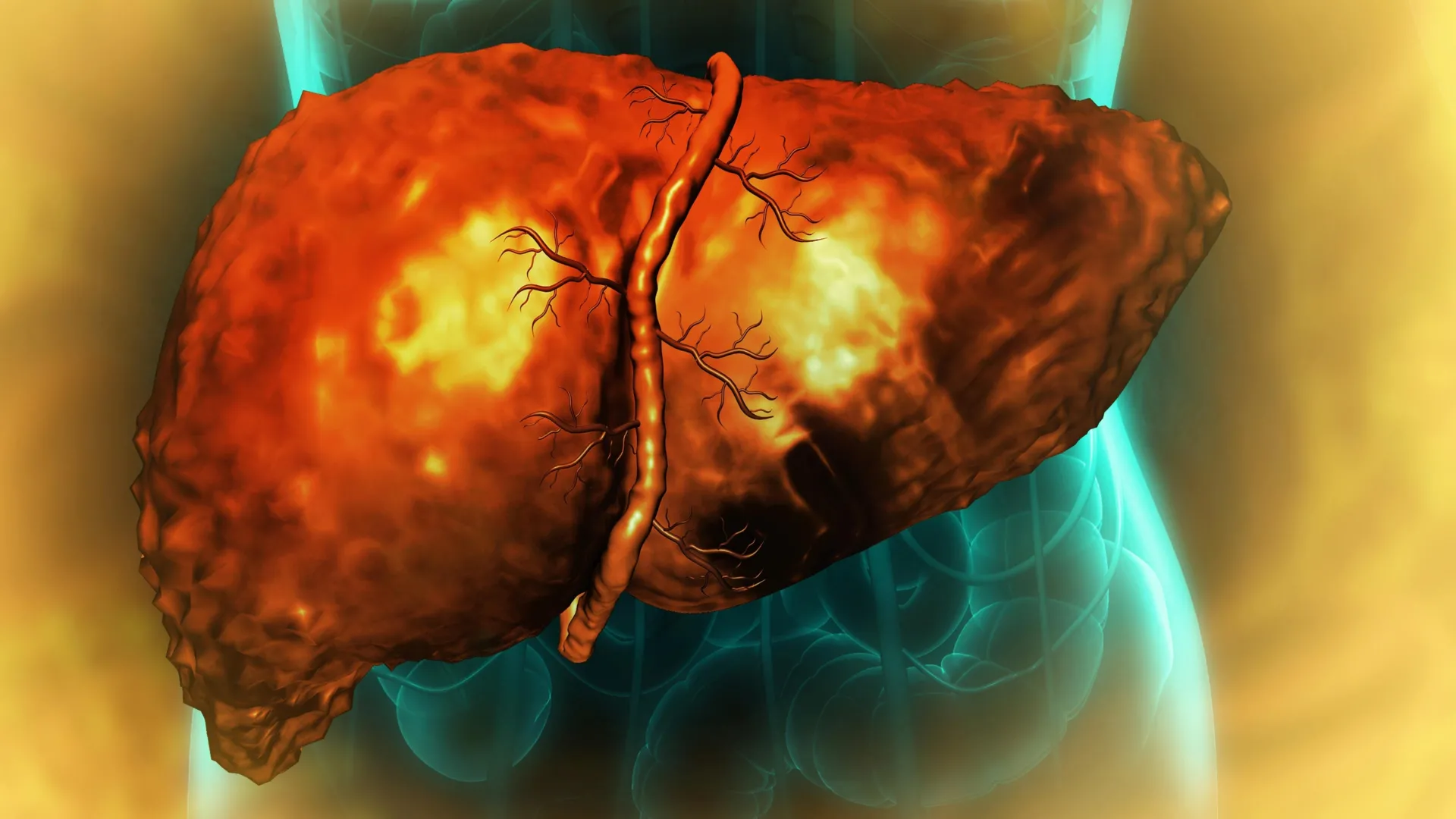
- Brian P. Lee and colleagues at Keck Medicine of USC published in Liver International that people with detectable PCE in their blood were three times more likely to have significant liver fibrosis than unexposed individuals
- The analysis used NHANES data from 2017–2020 and found roughly 7% of US adults ages 20 and older had detectable PCE levels in their blood
- A dose-response pattern was observed: every 1 ng/mL increase in blood PCE concentration was tied to a five-fold increase in the odds of significant liver fibrosis
- Alcohol use and obesity-related liver fat did not explain the fibrosis seen in PCE-exposed participants, suggesting the chemical may account for liver disease cases without traditional risk factors
- Higher-income individuals were more likely to show PCE exposure—likely because they use dry cleaning services more often—while dry-cleaning workers face elevated risk from direct, prolonged occupational contact
- The EPA has begun a 10-year phaseout of PCE in dry cleaning, and the IARC already classifies the chemical as a probable carcinogen linked to bladder cancer, multiple myeloma, and non-Hodgkin lymphoma
- Lee called the work the first to examine PCE levels in humans against significant liver fibrosis, and said broader screening of exposed people could catch disease earlier
Why it matters: Roughly 7% of US adults carry detectable PCE, and the chemical remains in use globally despite an ongoing EPA phaseout—meaning continued exposure is essentially baked in for years. The finding gives hepatologists a concrete diagnostic lead for patients whose liver disease has no obvious cause and adds regulatory weight to calls for stricter controls on the chemical's remaining industrial and consumer-product applications.
Ask SkimNews