Tesla Ends Model S/X Production, Launches Cybercab — SkimNews

Get the Tech newsletter
Daily tech — startups, AI labs, chips, the launches that shape the next decade. Free.
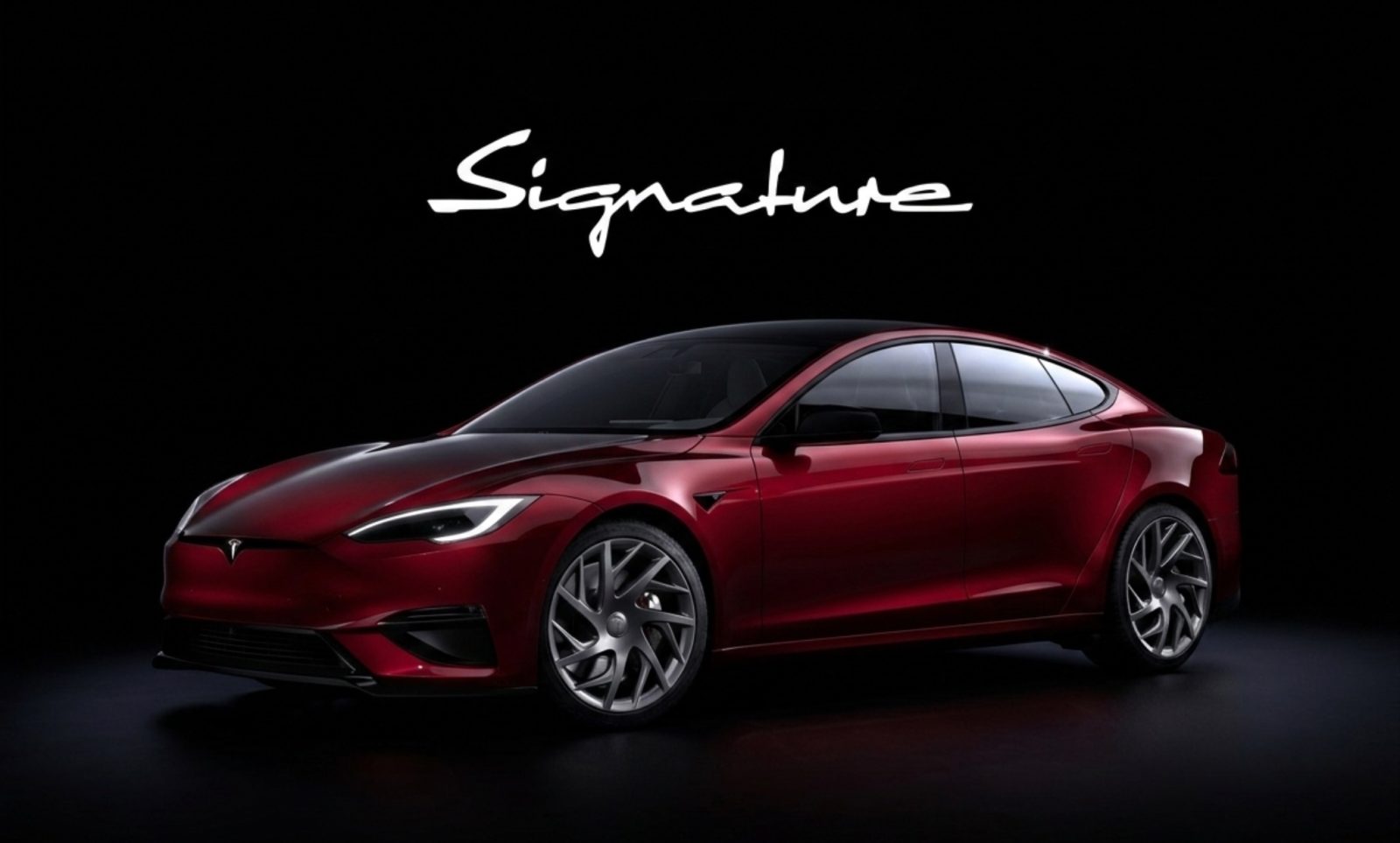
- Elon Musk announced on X that custom orders for the Model S sedan and Model X SUV are complete, leaving only a few hundred units in inventory.
- Tesla’s combined “other models” sales (Model S, Model X, and Cybertruck) fell from a 2017 peak of 101,312 units to 50,850 units in 2025, a small share of its 1.63 million total deliveries that year.
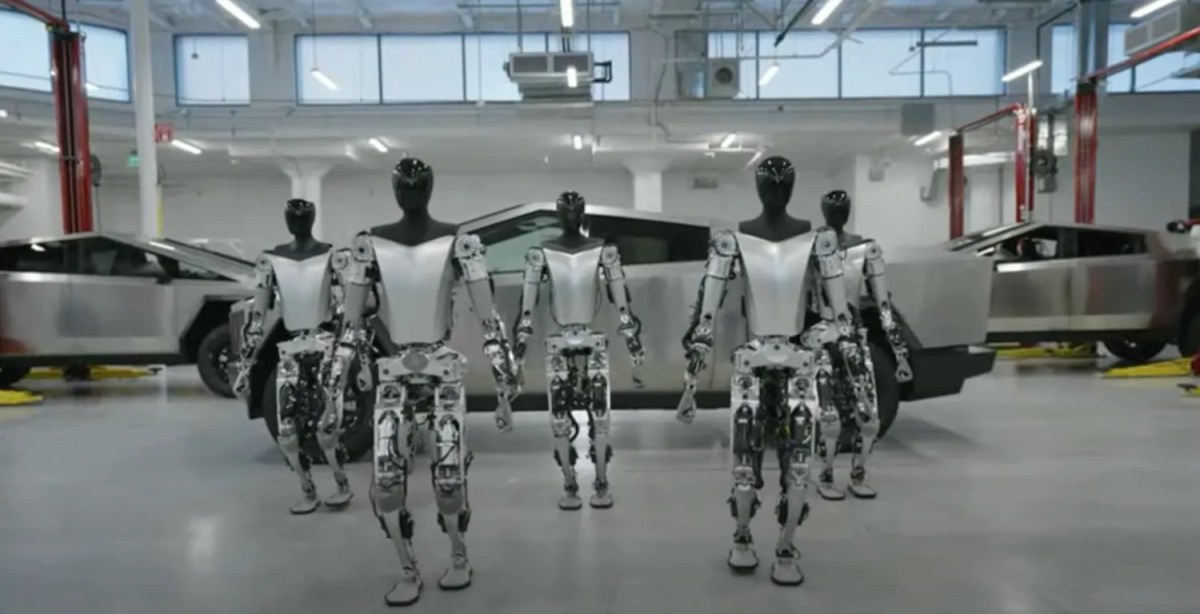
- Tesla will repurpose its Fremont, California, plant to produce the Optimus humanoid robot after Model S/X production ends, with the transition slated to begin as soon as final orders are taken.
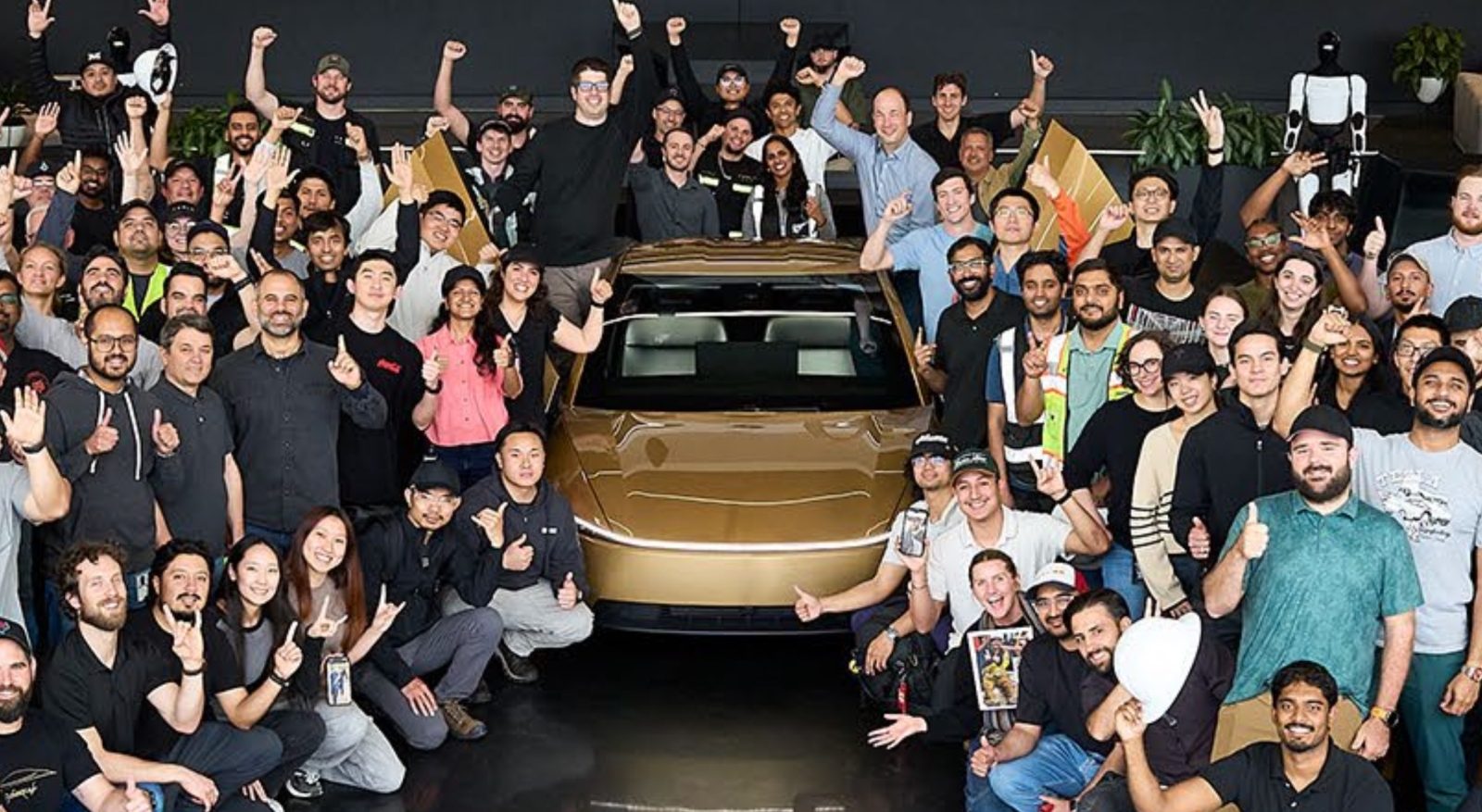
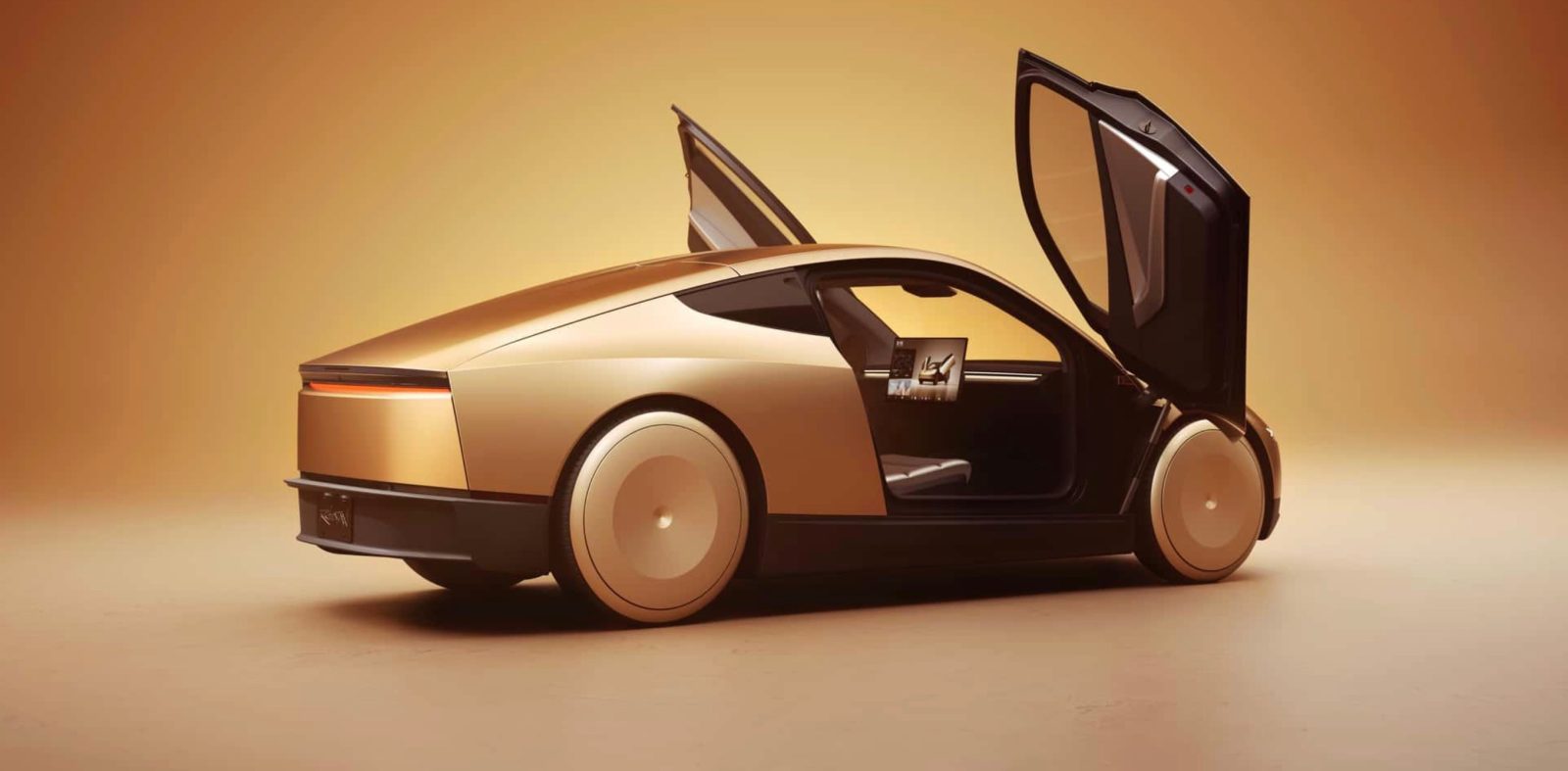
- Tesla is slated to start mass‑producing the Cybercab, an all‑electric two‑seater autonomous vehicle without a steering wheel or pedals, at its Austin, Texas, factory this month.
- Federal motor vehicle safety standards require steering wheels and pedals, and there is no public record that Tesla has applied for an exemption for the Cybercab.
- Zoox, Amazon’s autonomous‑vehicle unit, recently secured a NHTSA exemption for driverless robotaxis, a regulatory path that could affect Tesla’s Cybercab rollout.
- Tesla’s Full Self‑Driving (FSD) software underpins the Cybercab, but the company has not yet demonstrated that the software can operate reliably at scale.
Why it matters: Tesla’s pivot ends production of its flagship Model S and Model X, freeing factory capacity for its AI‑driven Cybercab and Optimus robot, but it also faces regulatory roadblocks and unproven autonomous tech, a risk to revenue from its legacy EV line while it bets on future AI services.
Ask SkimNews