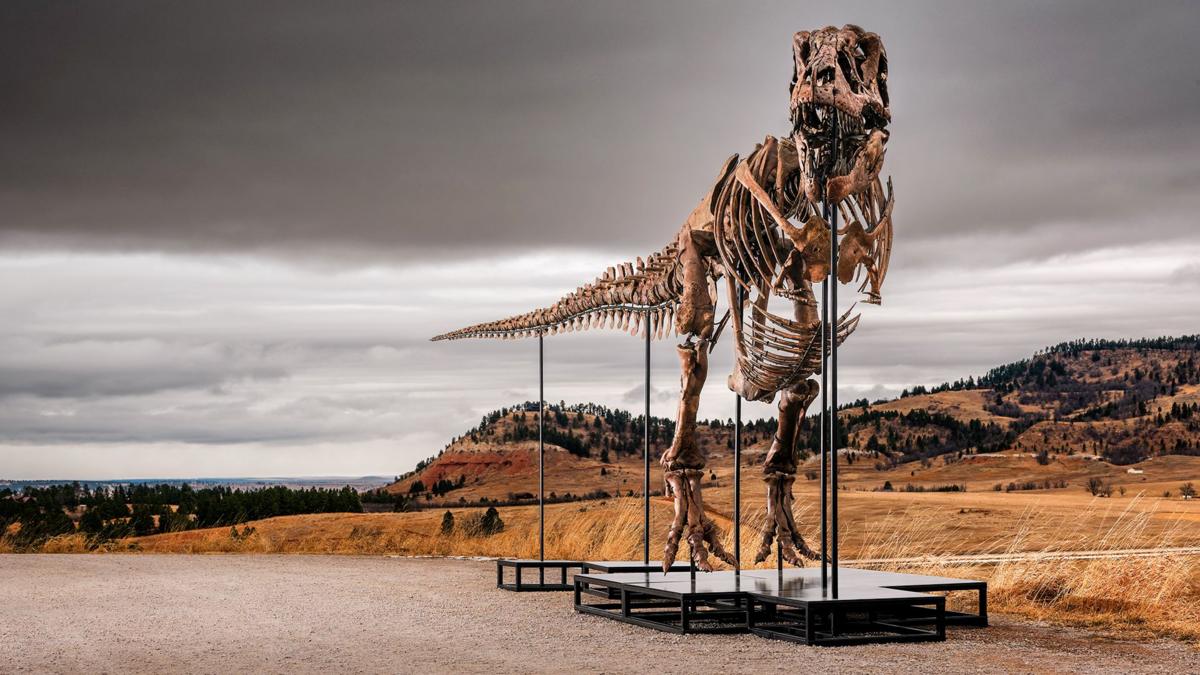
MP Demands Fossil Export Controls After Dorset Collection Sold to Abu
Get the Health newsletter
Daily health & science — research, biotech, public health, the studies worth knowing. Free.
- Chris Moore's private Dorset collection of Jurassic Coast fossils — including ichthyosaurs and hundreds of specimens — was sold to the Natural History Museum in Abu Dhabi for what one source described as an "eight-figure sum", after the Natural History Museum in London and Amgueddfa Cymru each signed non-disclosure agreements but could not raise the funds to buy it.
- Edward Morello, the Liberal Democrat MP for West Dorset, has written to minister Fiona Twycross asking whether the government will delay or suspend the export to give UK accredited museums a final chance to acquire the collection before it leaves the country.
- UK export controls do not cover fossils or other natural history items because they are not "made", meaning some rare and scientifically important specimens can be sold abroad without an export licence — a loophole Lyme Regis Museum director Bridget Houseago says leaves a gap in protecting national heritage.
- Lyme Regis (Philpot) Museum says it was not approached by Moore, the NHM, Museum Wales, or any government entity before the sale and was unaware a transaction was under way at the end of 2025, despite considering the collection among the best private holdings from the Lower Lias of Dorset.
- Houseago and Dr Jonathan Evans want fossils of exceptional scientific or national significance placed under the Waverley criteria — the three benchmarks used to bar exports of "national treasures" — and want a national register of important fossil finds modelled on the treasure trove system.
- Houseago argues the collection belongs on the Jurassic Coast, the UNESCO World Heritage Site where Mary Anning discovered the first complete plesiosaurus skeleton in 1823, saying the fossils carry meaning and context that cannot be replicated elsewhere.
Why it matters: The export exposes a gap in UK heritage law: because fossils are not classified as "made" objects, they fall outside the Waverley criteria and can leave the country without an export bar, meaning a collection tied to a UNESCO World Heritage Site and the legacy of Mary Anning was effectively sold out from under domestic institutions that might have crowdfunded to keep it.
Ask SkimNews