Electra's $850M Ohio Plant for EL9 Hybrid Plane — SkimNews
Get the Culture newsletter
Daily culture — film, music, books, the trends and ideas worth your attention. Free.
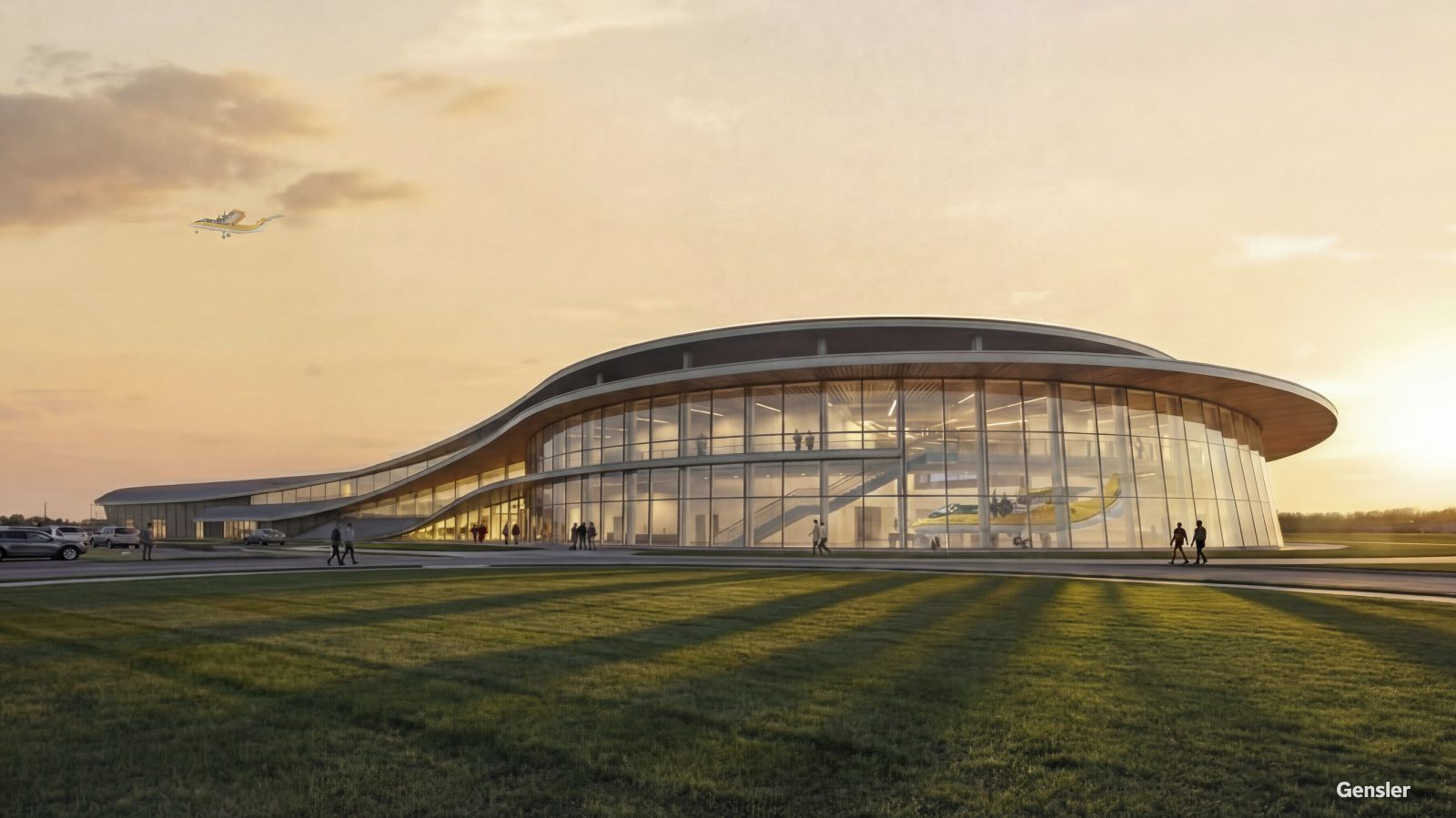
- Electra is investing $850 million in its first aircraft factory in Springfield, Ohio, to build the EL9 Ultra Short, a nine-passenger hybrid-electric plane that can take off in as little as 150 feet using "blown lift" from electric propellers along the wing's leading edge.
- The Springfield plant will eventually produce up to 800 aircraft per year across two phases, create nearly 2,000 jobs, and span 96 acres at AirPark Ohio next to Springfield-Beckley Municipal Airport, with construction beginning next year.
- Electra selected Springfield after a year-long search that beat out 140-plus competing locations, citing the National Advanced Air Mobility Center of Excellence, the FAA-approved SkyVision detect-and-avoid system, and proximity to Wright-Patterson Air Force Base.
- The EL9 Ultra Short is a fixed-wing plane — not an eVTOL — paired with a Safran TG600 turbogenerator in a hybrid setup that avoids depending on battery breakthroughs; Electra and Safran signed a life-of-program deal this month for an initial 250 units.
- Electra is front-loading the factory investment before first flight, with the EL9 still in development, submitted for FAA Part 23 type certification, and expected to fly in late 2027 or early 2028 after the G-1 Issue Paper was recently closed.
- Electra reports over 2,200 letters of intent from 60-plus commercial customers plus the US Air Force, Army, Navy, and NASA, with $9 billion in pre-orders and Bristow Group holding the first delivery slot via a non-refundable deposit.
Why it matters: Electra is committing $850 million to a factory for an aircraft that won't fly until late 2027 or early 2028, front-loading capital risk on a hybrid design that pairs blown-lift propellers with a Safran turbogenerator rather than waiting on battery breakthroughs. With 2,200-plus letters of intent and Bristow's non-refundable deposit, the bet is being underwritten by customers betting that 50-to-250-mile regional routes are a distinct market from battery-powered air taxis.
Ask SkimNews