Anthro breaks ground on first US electrolyte plant — SkimNews
Get the Energy newsletter
Daily energy & climate — solar, EVs, oil, the policy fights and tech bets shaping the transition. Free.
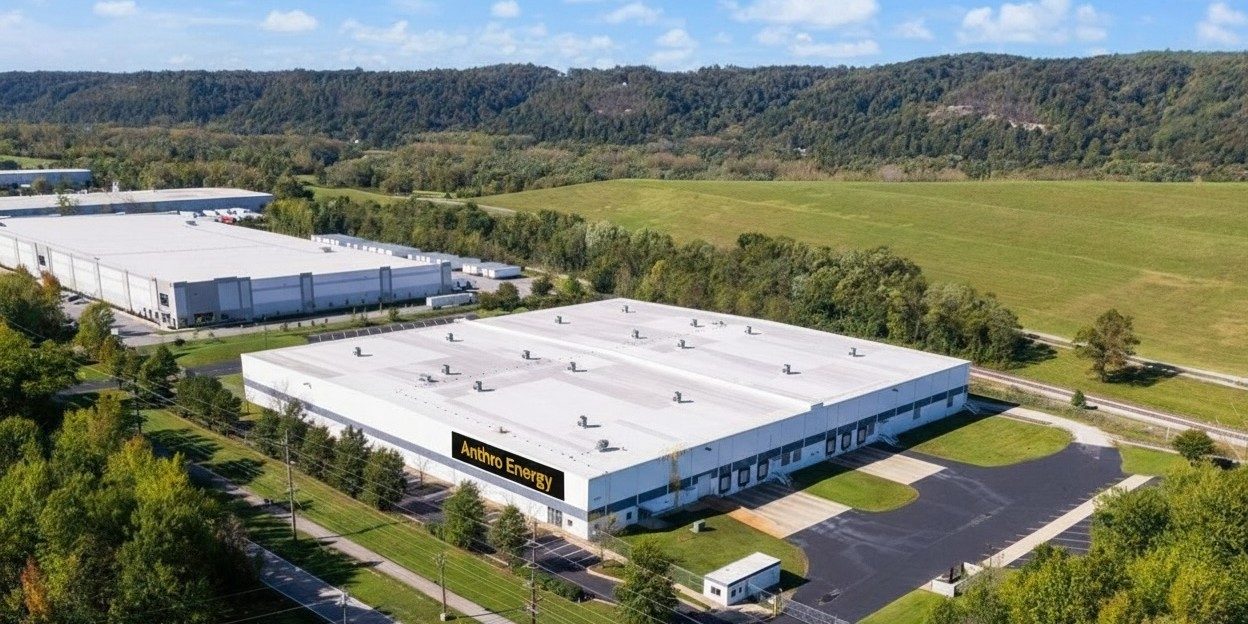
- Anthro Energy broke ground on a first-of-its-kind US battery materials factory in Louisville, Kentucky — planned as the first large-scale, US-owned and operated plant producing advanced polymer electrolytes, with annual output supporting up to 25 GWh of lithium-ion batteries.
- The Louisville facility is expected to produce around 12,000 metric tons of polymer electrolyte per year when it opens in late 2027, serving grid storage, transportation, defense, robotics, and consumer electronics markets.
- Anthro's Proteus platform replaces flammable liquid electrolytes with a polymer that reduces fire and short-circuit risks in densely packed grid-scale battery installations, and the company says manufacturers can adopt it using their existing battery production equipment.
- The $42 million+ project is backed by a $24.9 million US Department of Energy award through the Biden-era Infrastructure Investment and Jobs Act and $18.4 million in federal investment tax credits via the Inflation Reduction Act's 48C program.
- Anthro says the plant will use inputs free of Foreign Entity of Concern restrictions, giving US battery makers a domestic electrolyte source shielded from overseas supply-chain disruptions, and will create 110 permanent manufacturing and technical jobs plus nearly 390 construction jobs.
Why it matters: The Louisville plant gives US battery makers their first domestic source of advanced polymer electrolyte at commercial scale, sidestepping Foreign Entity of Concern supply-chain restrictions while reducing fire risk in grid storage sited near homes and critical infrastructure. With $43.3 million in federal funding anchoring a $42M+ project, the drop-in compatibility with existing production lines lowers the barrier for US manufacturers to swap in a safer electrolyte.
Ask SkimNews