Iberdrola Breaks Ground on First US Battery: 41 MW in Oregon — SkimNews
SkimNews Take
At 82 MWh and not arriving until 2027, Iberdrola's debut US battery reveals how late Europe's renewables giants are to the American standalone storage race — even as utilities now scale firming capacity nationwide.
Get the Energy newsletter
Daily energy & climate — solar, EVs, oil, the policy fights and tech bets shaping the transition. Free.
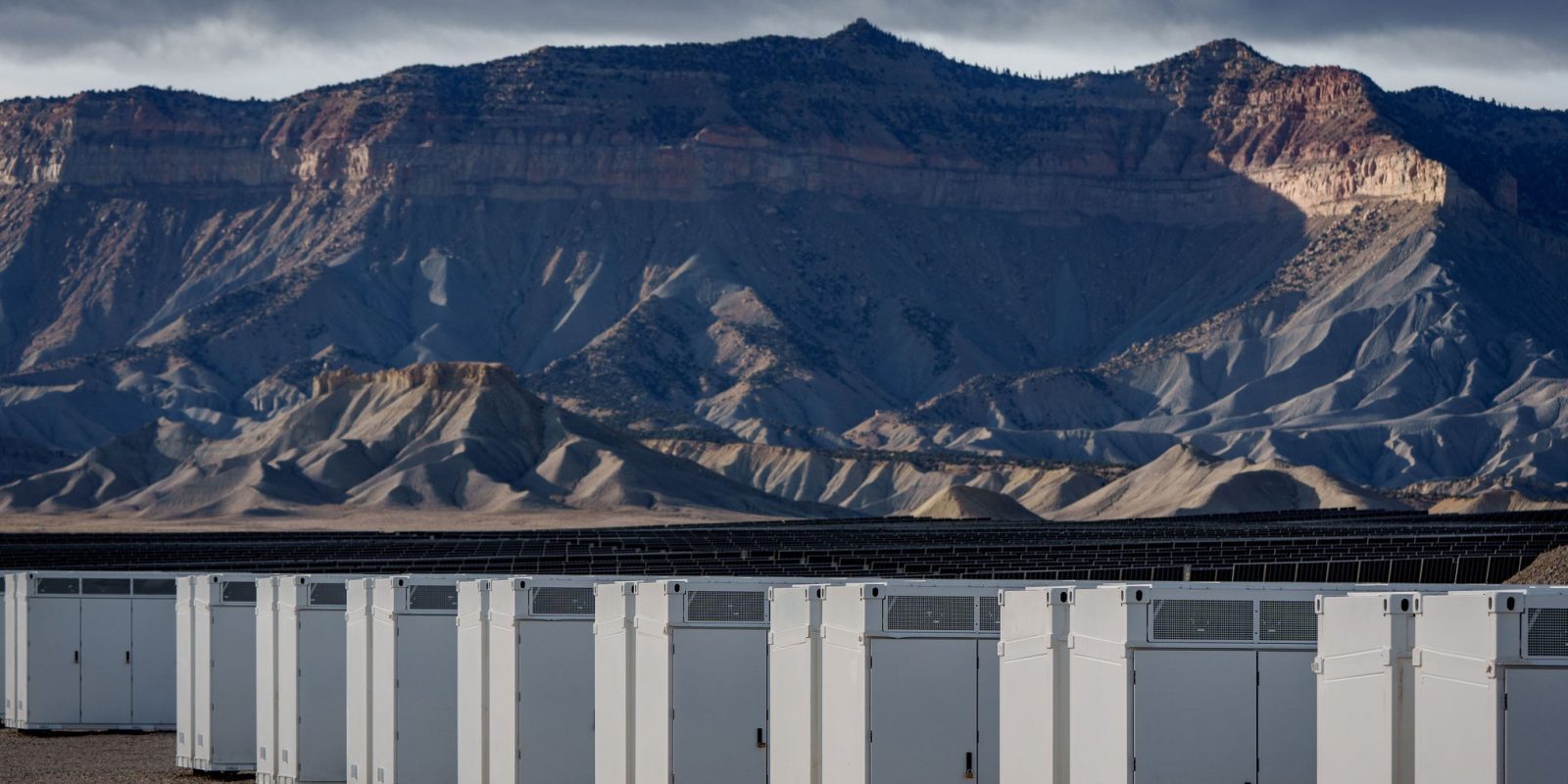
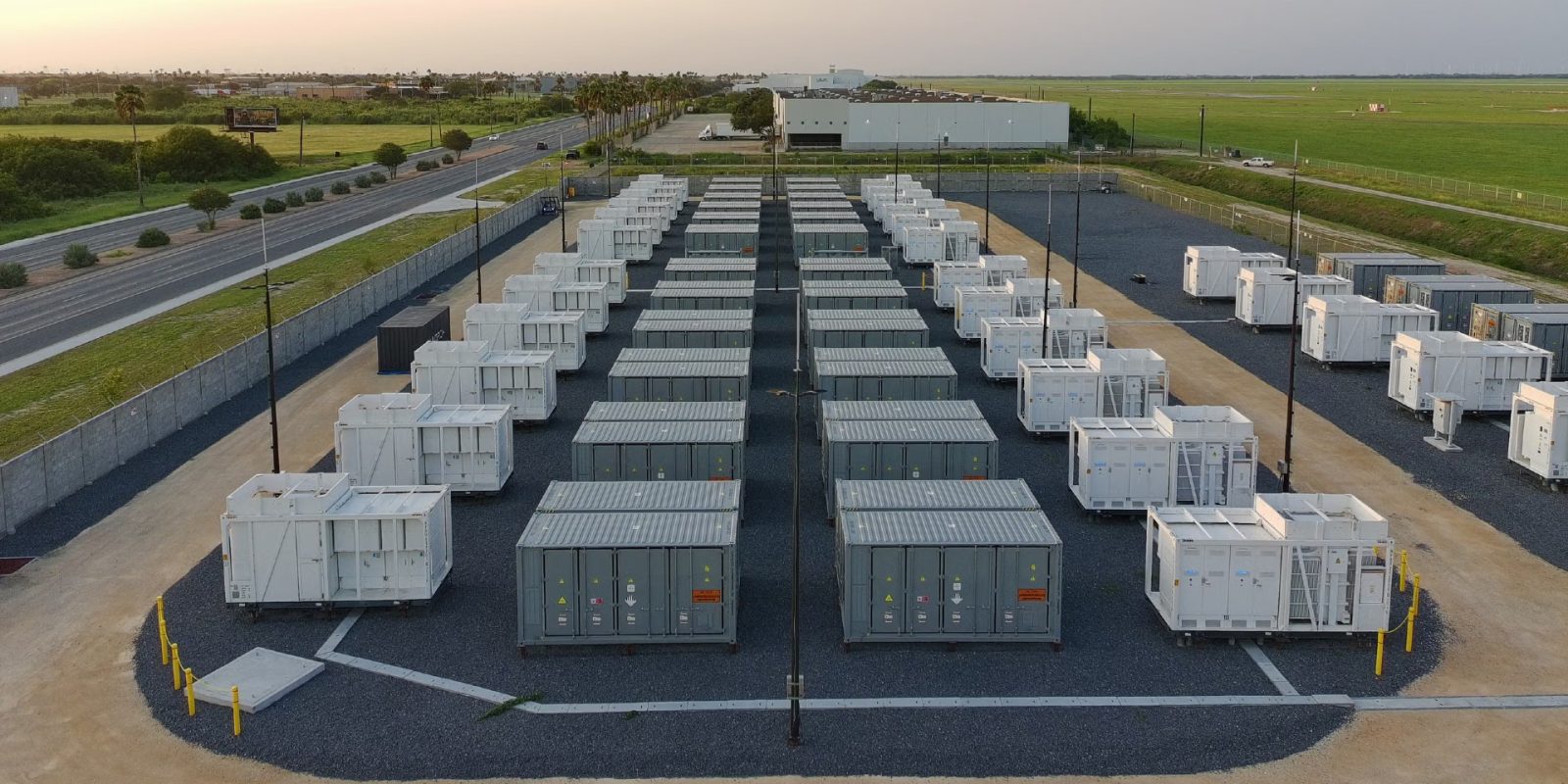
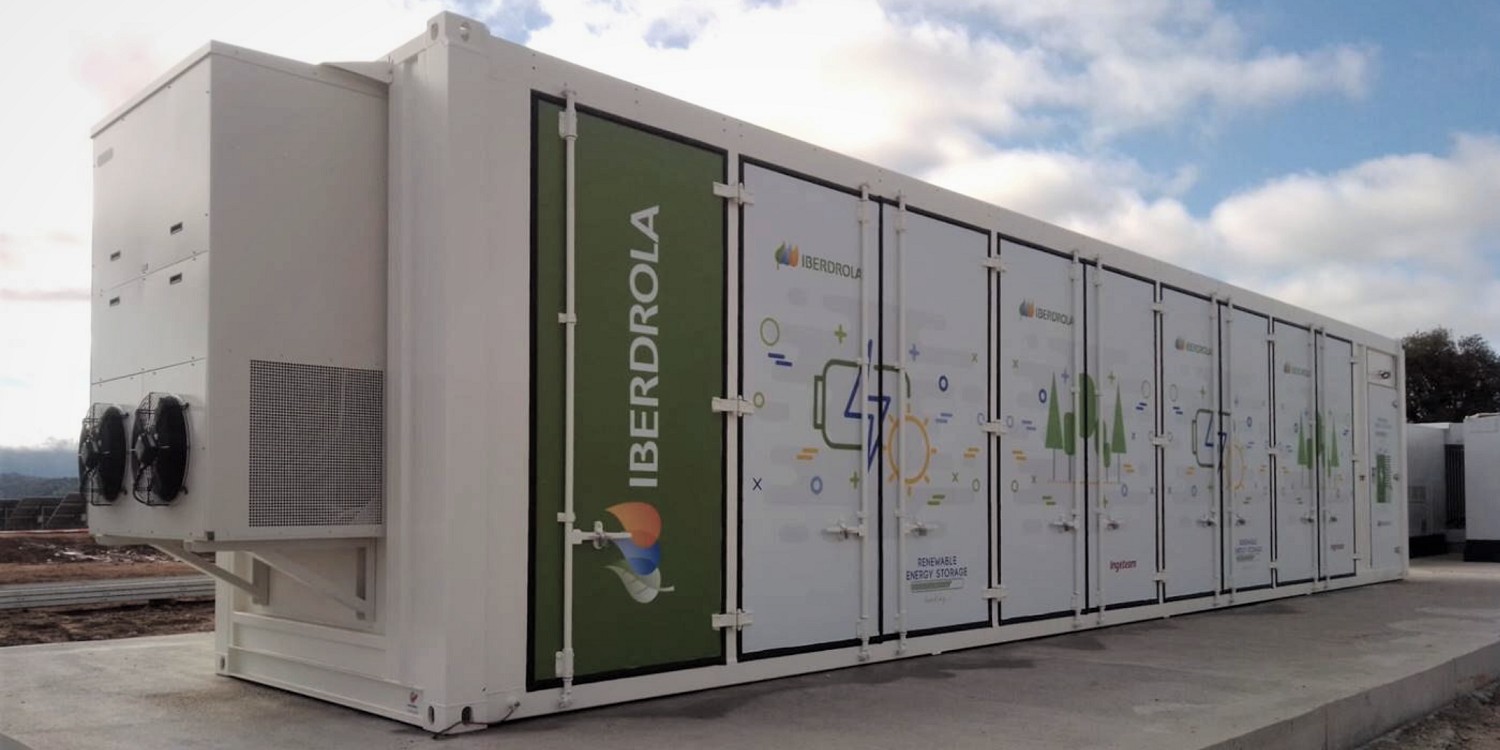
- Iberdrola is building the Shutler battery project in Gilliam County, north-central Oregon — its first large-scale battery energy storage system in the US.
- The Shutler project will deliver 41 megawatts of power capacity and store up to 82 megawatt-hours, with a targeted commissioning date of 2027.
- The 41 MW/82 MWh configuration is a two-hour battery, meaning it can discharge its full 41 MW for roughly two hours before recharging — a standard duration for utility-scale batteries that shift excess renewable output to higher-demand periods.
- Avangrid, Iberdrola's US subsidiary, already operates around 3,000 MW of generation capacity across the Pacific Northwest, giving the parent a regional foothold for the new storage asset.
- Battery storage is now one of the fastest-growing segments of the US power sector as utilities deploy it to extract more value from renewables and improve grid reliability.
Why it matters: The Shutler project gives Iberdrola an entry point into America's fastest-growing grid segment — utility-scale storage — and slots it next to Avangrid's existing 3,000 MW of Pacific Northwest generation. A 41 MW/82 MWh asset may be modest, but locking in a 2027 online date signals Iberdrola is committing capital to compete in a market where first-mover positioning on storage is increasingly tied to winning future renewable build-outs.
Ask SkimNews