Eolian begins 1 GWh Flint Grid battery in PJM's largest build — SkimNews

SkimNews Take
By placing a 1 GWh battery directly adjacent to a hyperscaler data center cluster, Eolian shows grid-scale storage siting is shifting from broad reliability services toward anchoring investment to specific large-load customers.
Get the Energy newsletter
Daily energy & climate — solar, EVs, oil, the policy fights and tech bets shaping the transition. Free.
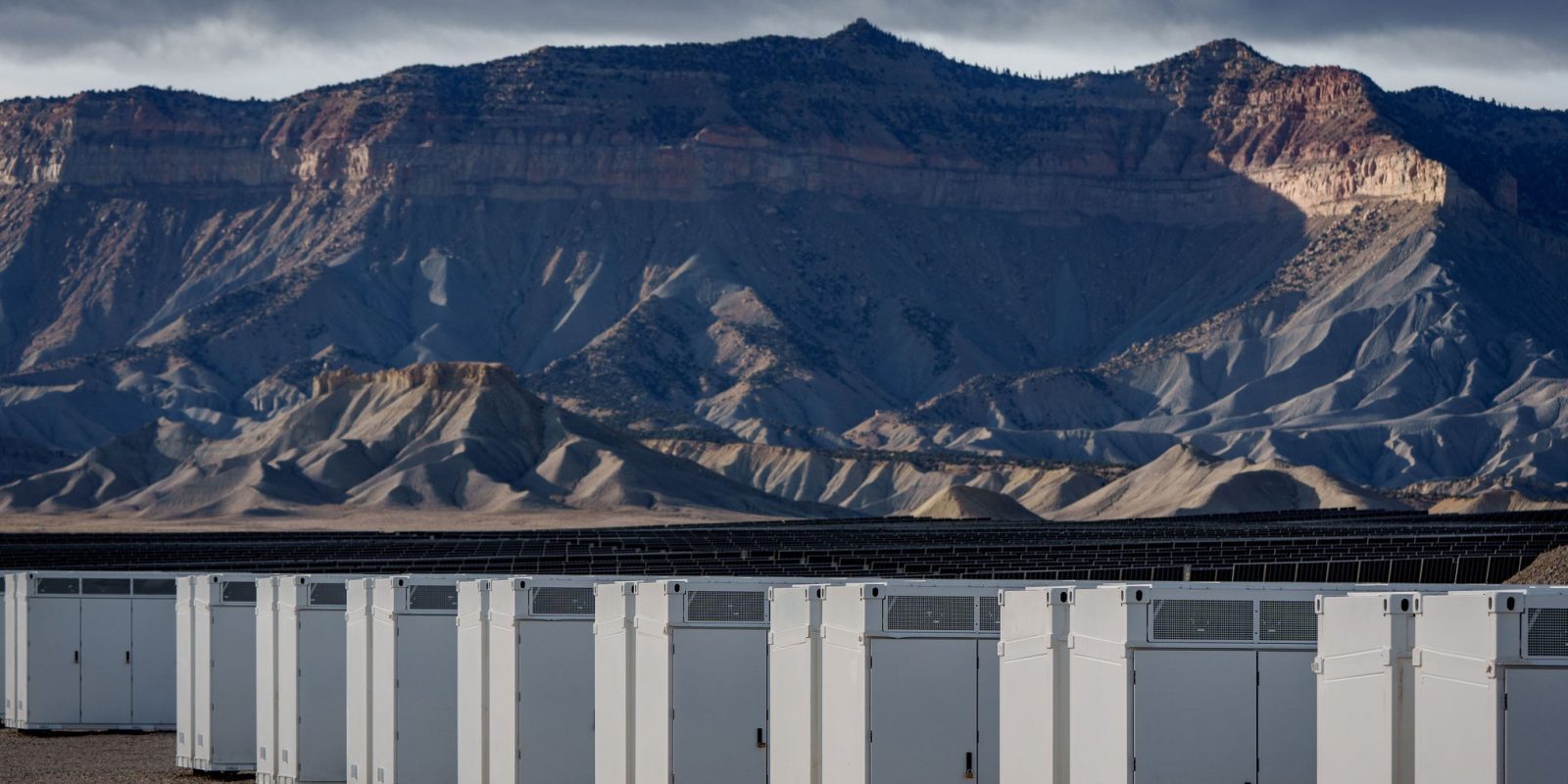
- Eolian's Flint Grid battery system will deliver 200 MW for more than five hours, storing over 1 GWh of electricity in Jersey Township, Licking County, Ohio, the largest battery project in both Ohio and across PJM's 13-state footprint.
- The site sits next to New Albany's fast-growing data center corridor, where Amazon Web Services already operates infrastructure and Google and Meta are constructing additional data center buildings.
- Flint Grid is the first grid-scale battery storage project permitted by the Ohio Power Siting Board, covering roughly 15 acres on Jug Street Road, and the first large-scale battery to qualify for PJM's capacity market.
- PJM's 2027-28 capacity auction cleared Flint Grid as the largest battery to qualify, accounting for more than half of the new battery capacity selected for that delivery year, with commercial operation expected before that capacity year begins.
- Eolian CEO Aaron Zubaty said there is 'growing consternation about how the US can rapidly scale infrastructure' to meet rising electricity demand, but argued batteries like Flint Grid unlock 'wasted capacity that already exists on the grid.'
- Eolian committed capital to Flint Grid years before data-center-driven load forecasts became a national concern, and did not disclose a precise price tag, battery supplier, or chemistry beyond confirming the project will cost hundreds of millions of dollars.
Why it matters: Flint Grid will deliver 1 GWh of capacity adjacent to AWS, Google, and Meta data centers — a concrete counterpoint to the dominant 'build new gas plants' narrative around AI-driven load growth, showing PJM grid operators instead paying batteries to absorb peak demand and defer transmission upgrades.
Ask SkimNews